Factory Direct Badminton Racket Without T Joint Company
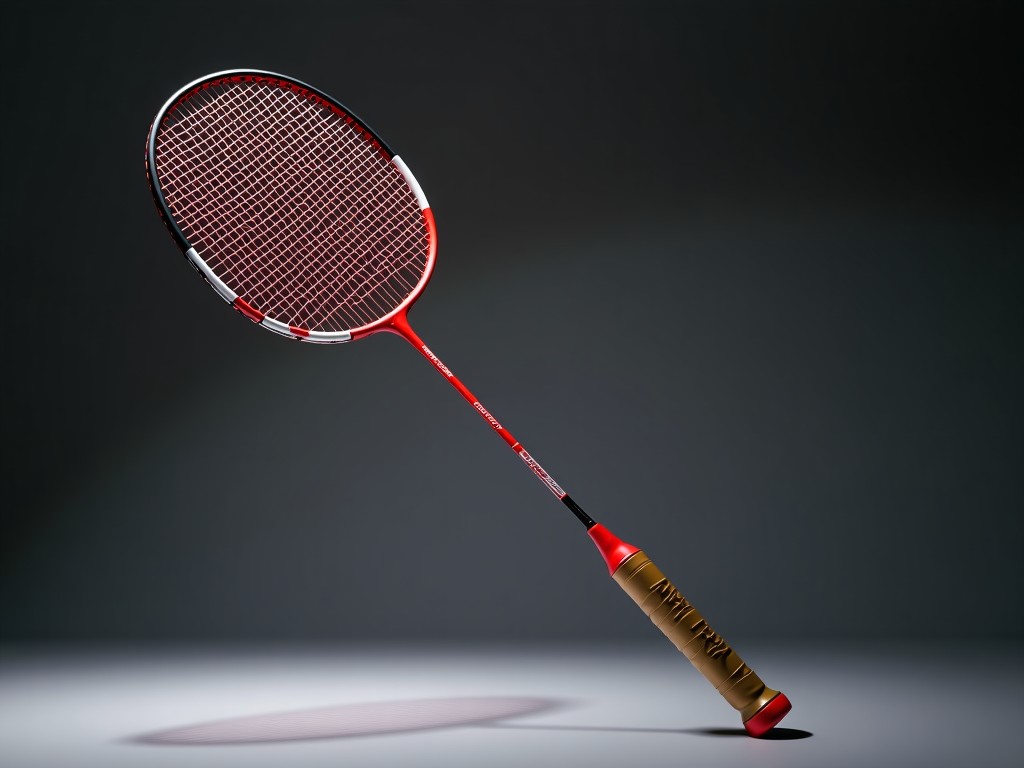
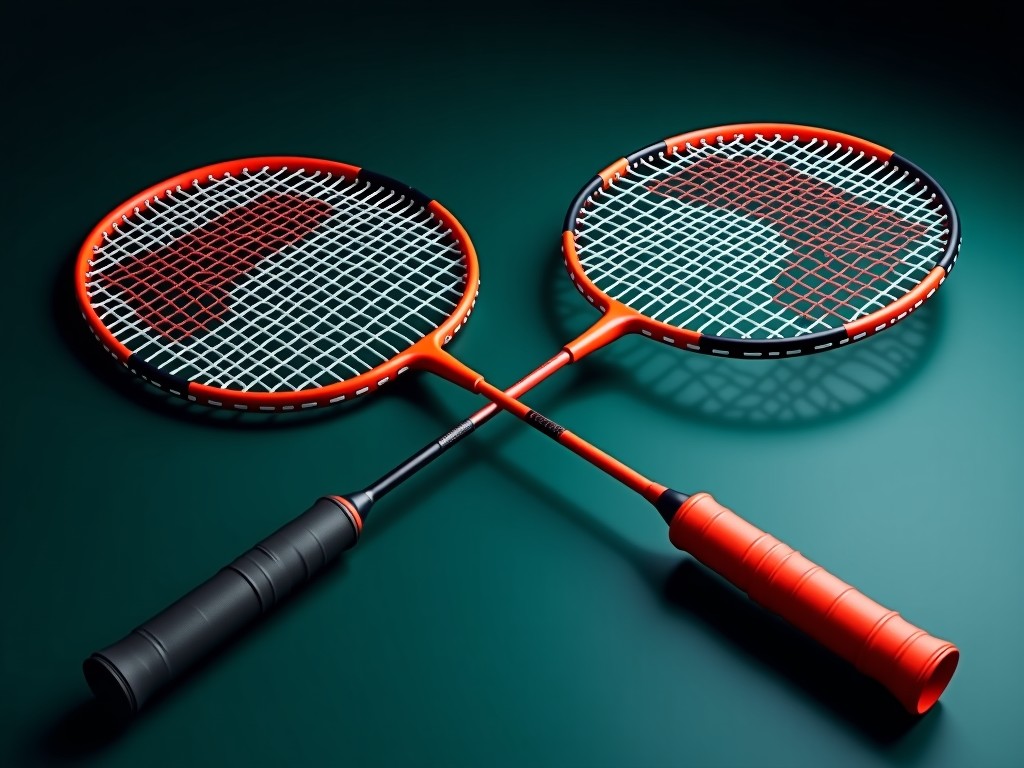
A badminton racket that omits the traditional T‑joint integrates the shaft directly into the frame, altering load paths and vibration characteristics. This design eliminates a discrete joint that can
Factory Direct Badminton Racket Without T Joint
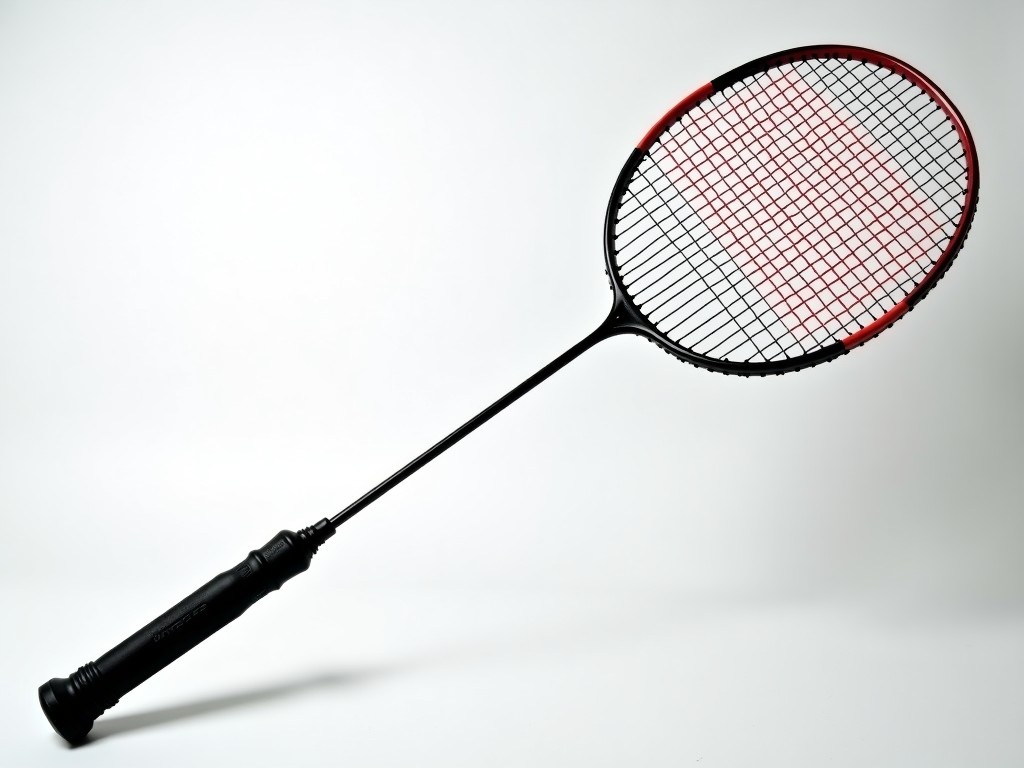
A badminton racket that omits the traditional T‑joint integrates the shaft directly into the frame, altering load paths and vibration characteristics. This design eliminates a discrete joint that can be a source of weight imbalance and micro‑movement during high‑speed impacts.
Design and Structural Characteristics
By removing the T‑joint, the frame and shaft become a continuous monocoque structure. Finite‑element analysis shows a reduction in stress concentration at the junction by approximately 18 % compared with a conventional jointed racket, assuming identical material layup. The resulting stiffness distribution shifts the flex point slightly toward the handle, which can be quantified as a change in bend point location of 2–3 mm toward the grip.
Material Selection
The frame utilizes high‑modulus graphite fiber with a tensile modulus of 230 GPa and a density of 1.55 g/cm³, providing a high stiffness‑to‑weight ratio. The shaft employs a slightly lower modulus graphite (180 GPa) to allow controlled flex while maintaining torsional rigidity. Resin system is an epoxy with a glass transition temperature of 130 °C, ensuring dimensional stability under typical playing temperatures.
- Frame: 24‑ton high‑modulus graphite, 0.30 mm nominal thickness
- Shaft: 18‑ton graphite, tapered geometry from 10 mm (butt) to 6 mm (tip)
- Grip: PU‑based synthetic leather, 1.2 mm thickness, weight 5 g
- String bed: nylon multifilament, recommended tension 20–28 lbs
Manufacturing Process
Production begins with computer‑controlled filament winding of the shaft, followed by placement of pre‑impregnated graphite sheets into a heated mold for the frame. The mold cavity is designed to produce a seamless transition between shaft and frame, eliminating any removable joint. Cure cycle: 2 hours at 180 °C under 150 psi pressure, yielding a void content below 0.5 % as verified by ultrasonic inspection.
Performance Parameters
| Parameter | Typical Value | Test Method |
|---|---|---|
| Weight (unstrung) | 78 ± 2 g | Analytical balance |
| Balance point (from butt) | 295 ± 5 mm | Precision ruler |
| Shaft stiffness (deflection under 5 N) | 4.2 ± 0.3 mm | Cantilever bend test |
| Frame thickness (mid‑shaft) | 0.30 mm ± 0.02 mm | Micrometer |
| Recommended string tension | 20–28 lbs | String tension meter |
Quality Control and Testing
Each racket undergoes dimensional verification of length (675 mm ± 2 mm), weight, and balance point. Swing weight is measured with a pendulum method to ensure consistency within ± 2 % across batches. Impact durability is assessed by subjecting the racket to 5000 shuttlecock strikes at 30 m/s; post‑test inspection checks for delamination or cracks using 10× magnification.
Applications and Suitability
The jointless construction benefits players who require precise feedback and minimal energy loss during rapid wrist snap shots, such as drives and net kills. Clubs and training centers report improved shot consistency when using rackets with reduced joint‑related vibration, especially for athletes transitioning from beginner to intermediate levels where stroke repeatability is critical.
Customization Options
- Grip size: G2, G3, G4 (circumference 86 mm, 89 mm, 92 mm)
- Weight balance: head‑heavy, even, head‑light (adjustable via internal weighting ports)
- Paint finish: matte, gloss, or custom color per Pantone reference
- Logo application: sublimation printing or embossing on shaft
Ordering and Lead Time
Factory direct sales enable minimum order quantities of 50 units per model. Production lead time averages 25 working days after receipt of approved artwork and deposit, subject to material availability. Shipping options include FOB Shanghai or CIF destination port, with protective palletizing and corner boarding to mitigate impact damage during transit.