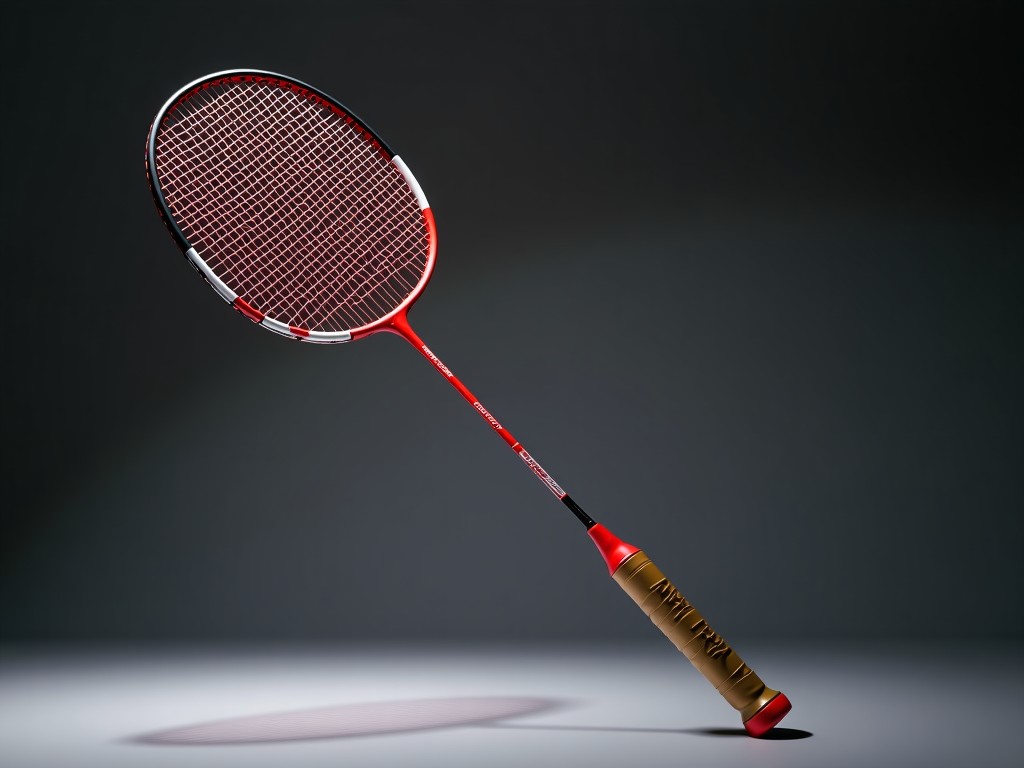
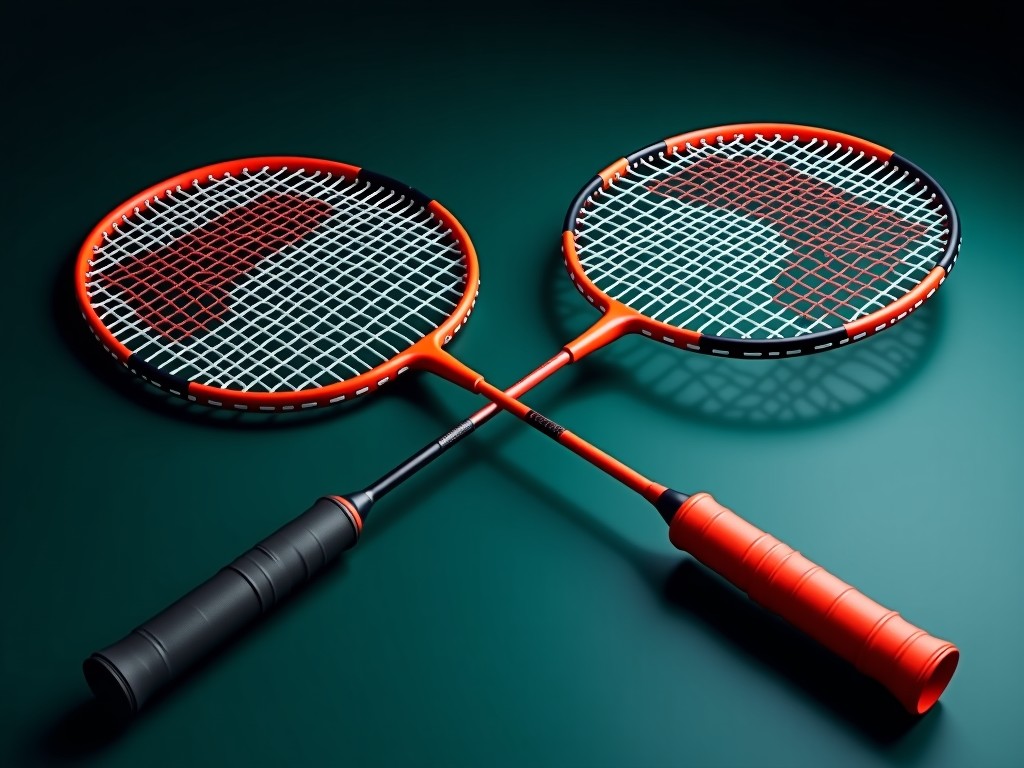
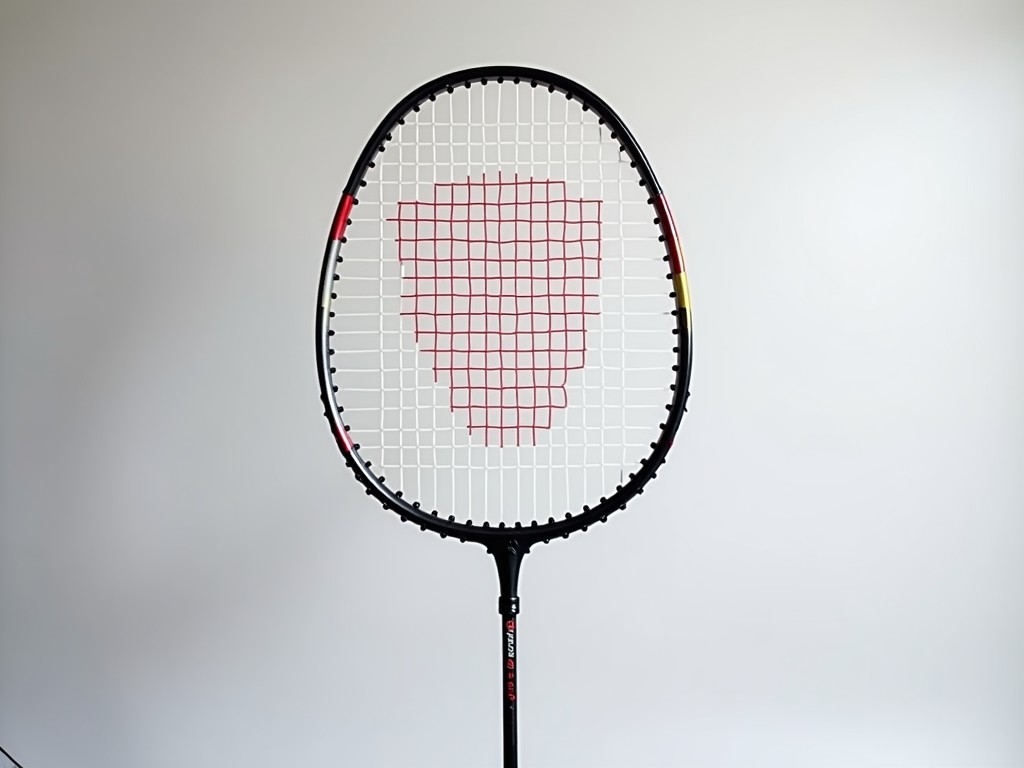
custom ideal weight badminton racket manufacturer: Tolerances, Grades and Supply Details
Wall thickness and alloy grade interact to determine the final torsional rigidity of the shaft under high-velocity impact. Increasing the carbon modulus improves stiffness but increases the overall mass, shifting the balance point downward. Engineers must specify the weight distribution within a ±0.5g tolerance to maintain consistent aerodynamic performance across a production run.
Alloy choice follows the load path from the grip to the head to manage energy transfer. High-modulus carbon fibers offer faster vibration recovery times but are more susceptible to brittle stresscracking. We utilize resin systems with enhanced toughness to prevent delamination during repeated cyclic loading.
Scope of Supply and Physical Form
Manufacturing covers precision weighted inserts, tapered shaft sections, and balanced head assemblies. Each component is machined to meet specific volumetric density requirements.
Technical Note: Weight-distributed inserts must be interference-fit within the carbon matrix to prevent internal shifting during high-impact smashes. A clearance tolerance of 0.02mm is standard for all mating interfaces."""
Option Comparison by Service Condition
| Material | Density (g/cm³) | Corrosion Resistance | Primary Application |
|---|---|---|---|
| Carbon Fiber Composite | 1.5 - 1.8 | High | Main shaft structural frame |
| Tungsten Alloy | 19.3 | Excellent (Inert) | Head-weight balance inserts |
| Titanium Grade 5 | 4.4 | Very High | High-stress joint connectors |
Where chlorides are present in the wash-down cycle, standard steel weights fail due to galvanic corrosion at the contact point. Tungsten alloys provide the necessary density without the volume increase of lead-based alternatives.
Where These Parts Are Installed and Why
Mechanical Integration
These components integrate into the racket junction and head-weight interface where stress concentrations are highest. The mechanical stress here requires high shear strength materials to prevent fatigue failure.

Thermal Stability
High-frequency vibrations during impact generate thermal energy that can degrade standard adhesive bonds. We specify thermally-stable epoxies to maintain bond integrity over thousands of service cycles.
Process Controls and Batch Traceability
Every batch undergoes ultrasonic testing to detect internal voids or delamination in the composite matrix. This ensures that the structural integrity is traceable back to the raw material lot number.
Precision weighing is performed at each assembly stage to ensure the final weight distribution does not deviate from the OEM specification.
Volume Planning and Line Configuration
Production lines are configured for rapid prototyping and small-batch custom orders to keep lead times under 14 days. Large-scale orders utilize automated layup processes to ensure dimensional consistency.
| Parameter | Standard Range | Impact on Performance |
|---|---|---|
| Swing Weight | 85U - 110U | Determines head-speed and acceleration. |
| Balance Point | 280mm - 315mm | Shifts defensive vs offensive bias. |
| Shaft Flex | 3F - 9F | Affects energy return and recovery speed. |
Questions Buyers Ask Before Ordering
- What is the maximum string tension the custom shaft can withstand? We support up to 35lbs tension de on the fiber layup orientation.
- How do you handle CAD file requirements? We accept .STEP and IGES files for precise volumetric de-distribution analysis.
- What is the minimum order quantity for custom alloy inserts? Minimums are typically 50 units to ensure tooling amortization-efficiency.
Ready to review technical specifications for your OEM line?
Submit your drawing for technical review today.