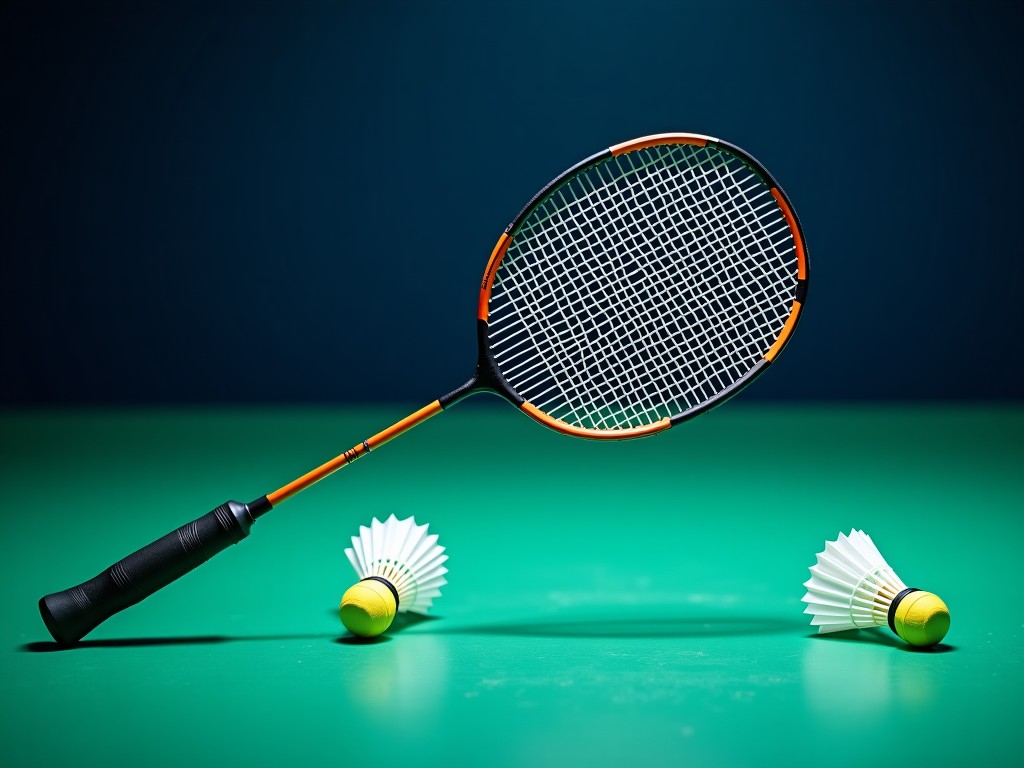
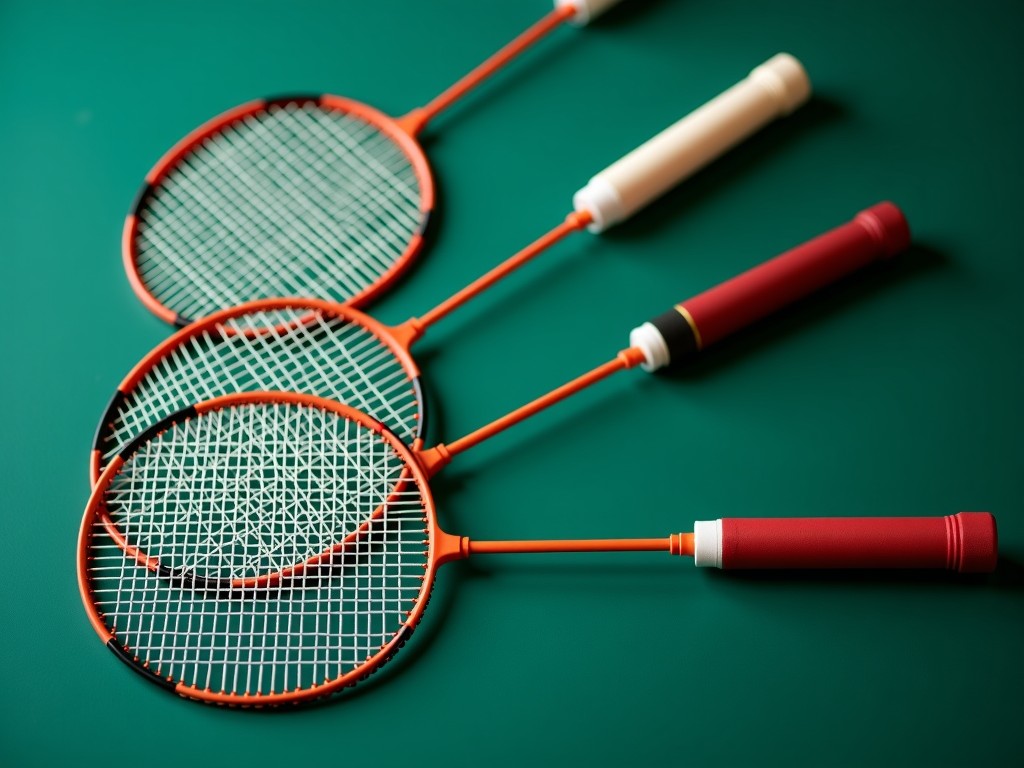
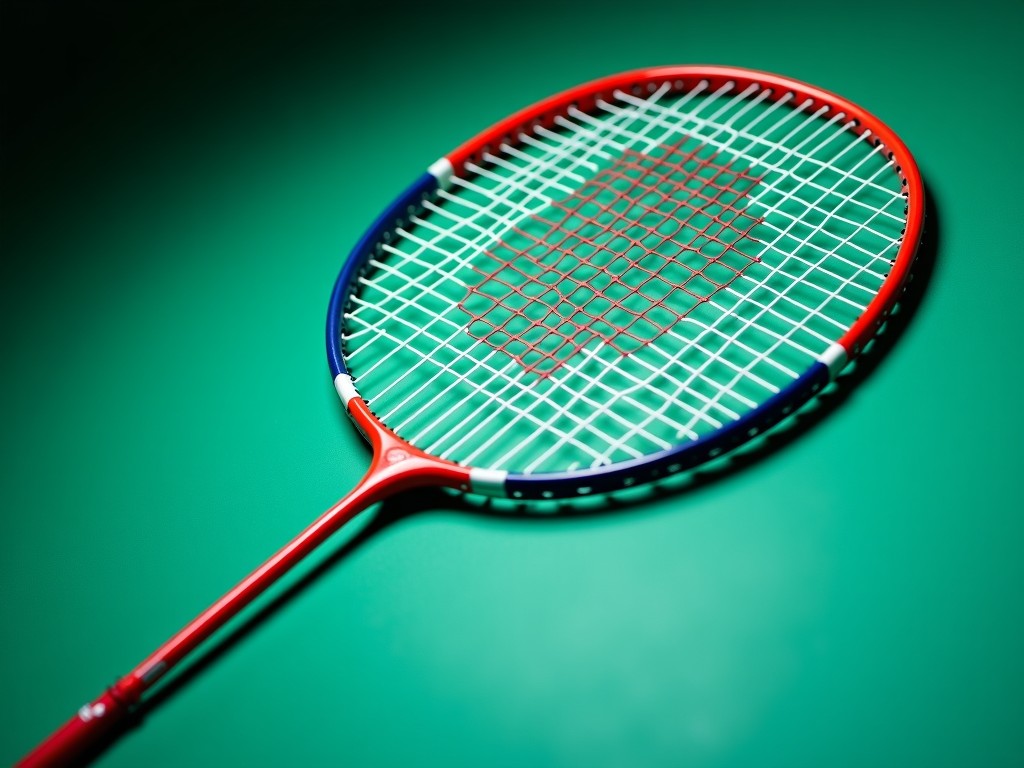
Custom Hi Qua Badminton Racket Top Factory
The racket top, comprising the frame and head, determines swing dynamics, shuttle rebound, and player comfort. Custom engineering allows precise tuning of mass distribution, stiffness, and
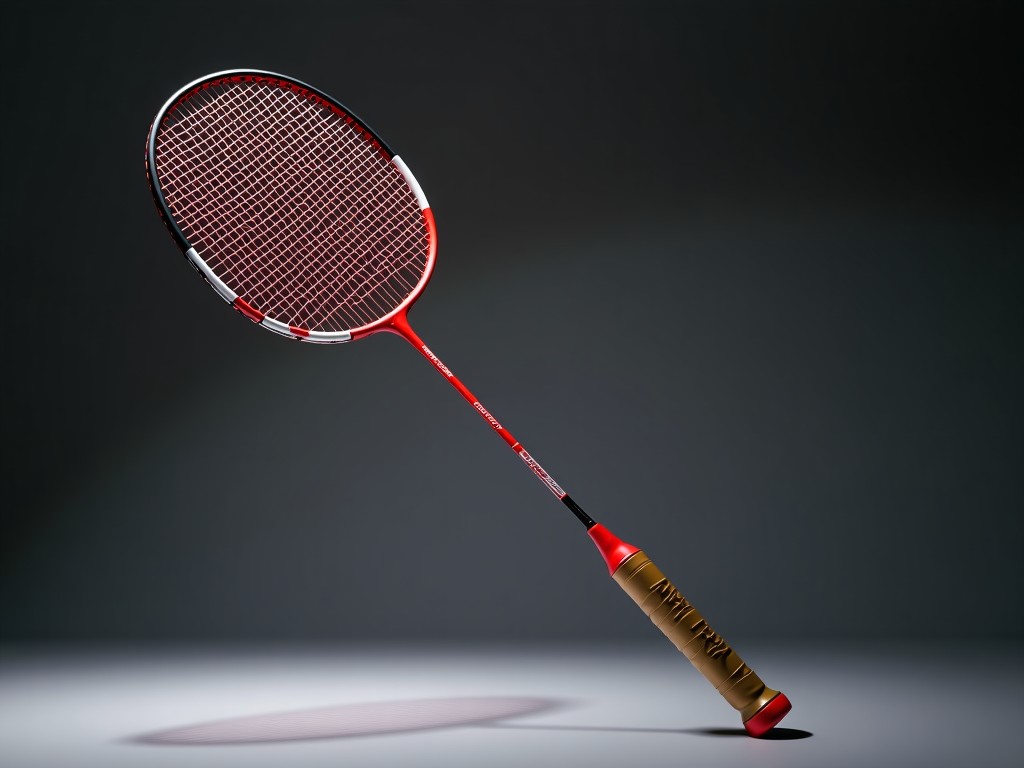
Custom High-Quality Badminton Racket Top Manufacturing
The racket top, comprising the frame and head, determines swing dynamics, shuttle rebound, and player comfort. Custom engineering allows precise tuning of mass distribution, stiffness, and aerodynamic properties to match specific playing styles or training objectives.
Material Selection and Mechanical Properties
High-modulus graphite fibers provide tensile strength above 5000 MPa while keeping density near 1.55 g/cm³. Multi‑layer lay‑ups combine unidirectional carbon plies for axial stiffness with woven layers for torsional resistance. Epoxy resins reinforced with silica nanoparticles raise inter‑laminar shear strength by roughly 15 % compared to standard systems.
| Property | Typical Range | Note |
|---|---|---|
| Density | 1.50‑1.60 g/cm³ | Influences overall weight |
| Tensile Modulus | 230‑260 GPa | Determines frame stiffness |
| Inter‑laminar Shear Strength | 45‑55 MPa | Impacts durability under repeated impacts |
| Coefficient of Thermal Expansion | 0.5‑0.8 × 10⁻⁶ /°C | Ensures dimensional stability across temperature changes |
Frame Geometry and Aerodynamics
Isometric head shapes increase the effective hitting area by up to 10 % compared to conventional oval heads, reducing off‑center loss. The frame’s cross‑sectional profile is engineered to a drag coefficient of approximately 0.32 Cd, facilitating faster swing speeds. Edge thickness is tapered from 2.2 mm at the throat to 1.6 mm at the tip to balance stiffness with weight savings.
Weight Distribution and Balance Point
Finished racket tops typically weigh between 82 g and 90 g. Balance point, measured from the handle end, ranges from 285 mm (head‑heavy) to 300 mm (handle‑heavy). Adjustable tungsten inserts in the handle allow shifting the balance by ±5 mm without altering overall mass, enabling fine‑tuning for power versus control preferences.
Stringing Compatibility and Tension Limits
The frame accommodates string gauges from 0.62 mm to 0.70 mm. Recommended tension range lies between 20 lb and 30 lb (9‑13.5 kg). Exceeding 30 lb increases frame stress beyond the design limit, raising risk of micro‑crack formation in the resin matrix. Integrated grommet channels distribute load uniformly, preserving string bed integrity.
Customization Options
- Weight adjustment via tungsten or steel inserts (0.5 g‑2 g increments)
- Grip size selection from G2 to G5 with optional silicone under‑wrap
- Laser‑etched logos, player names, or sponsor graphics on the shaft
- Paint finishes: matte, gloss, or UV‑resistant metallic
- Custom balance tuning through repositionable weight ports
Quality Assurance Protocol
Each lot undergoes dimensional inspection with laser micrometers (±0.02 mm tolerance). Static stiffness is measured using a three‑point bend fixture; target modulus deviation must remain within ±5 %. Vibration frequency analysis identifies internal damping characteristics, ensuring consistency across batches. Visual inspection under 10× magnification checks for resin voids, fiber misalignment, or surface blemishes before packaging.
Applications in Professional and Training Environments
Professional clubs require rackets with predictable swing weight and rebound to maintain training consistency. OEM suppliers benefit from tight tolerances that reduce warranty claims related to frame failure. Badminton academies utilize customized balance settings to match progressive skill development, allowing coaches to assign specific racket profiles to distinct training drills.
Frequently Asked Questions
- What information is needed for a quotation? Provide desired weight range, balance point, grip size, preferred material grade, and any cosmetic requirements.
- Can the head shape be customized? Yes, isometric, oval, or hybrid profiles are available; tooling adjustments may affect lead time.
- How is the balance point verified? Using a precision balance beam with accuracy of ±0.5 mm from the handle end.
- What packaging options protect the racket tops during shipment? Individual foam sleeves placed inside double‑wall corrugated cartons with corner protectors; moisture‑absorbing packets included.
- What is the typical production lead time? Four to six weeks after final design approval, depending on order complexity and current capacity.
To discuss your specific performance targets and receive a detailed technical proposal, please reach out via the contact form.
Request a Quote