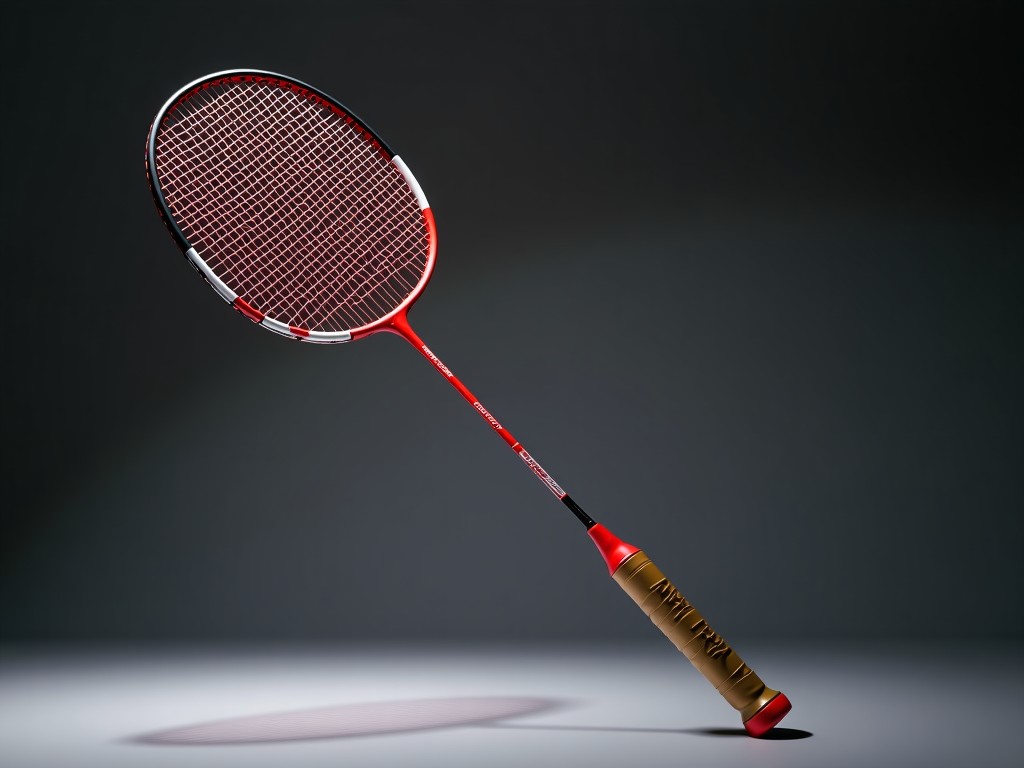
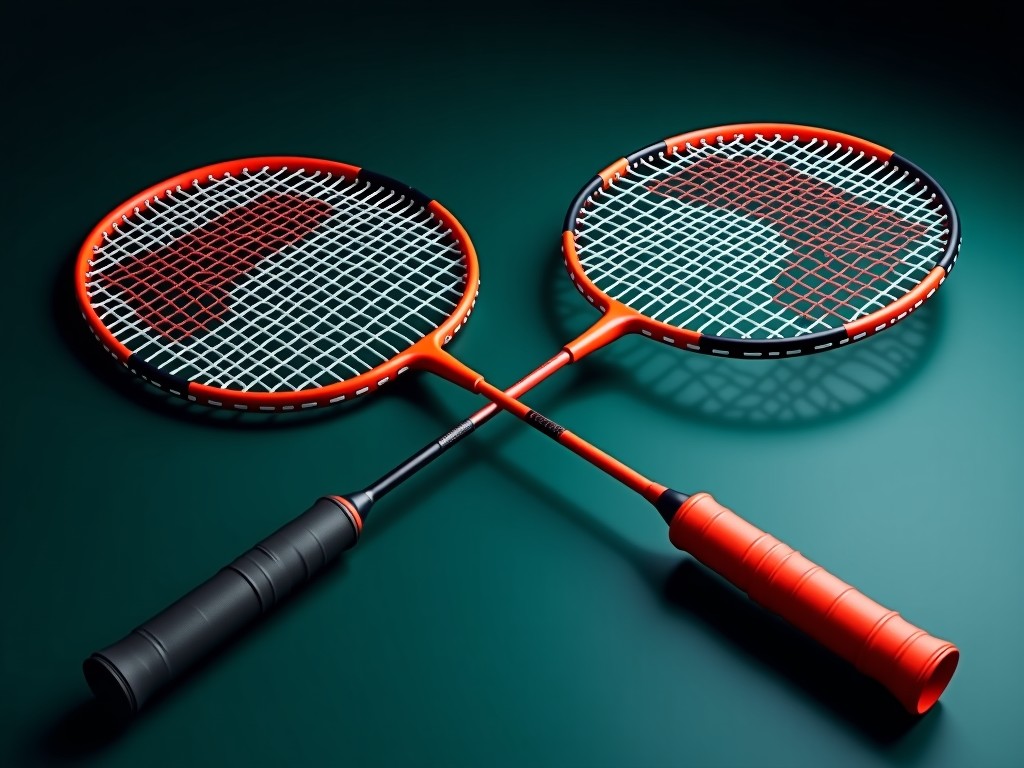
Custom Power Professional Badminton Racket Company
Engineers seeking a racket that combines rapid swing response with precise shuttle control evaluate frame stiffness, shaft flex, and mass distribution as primary performance drivers. This overview
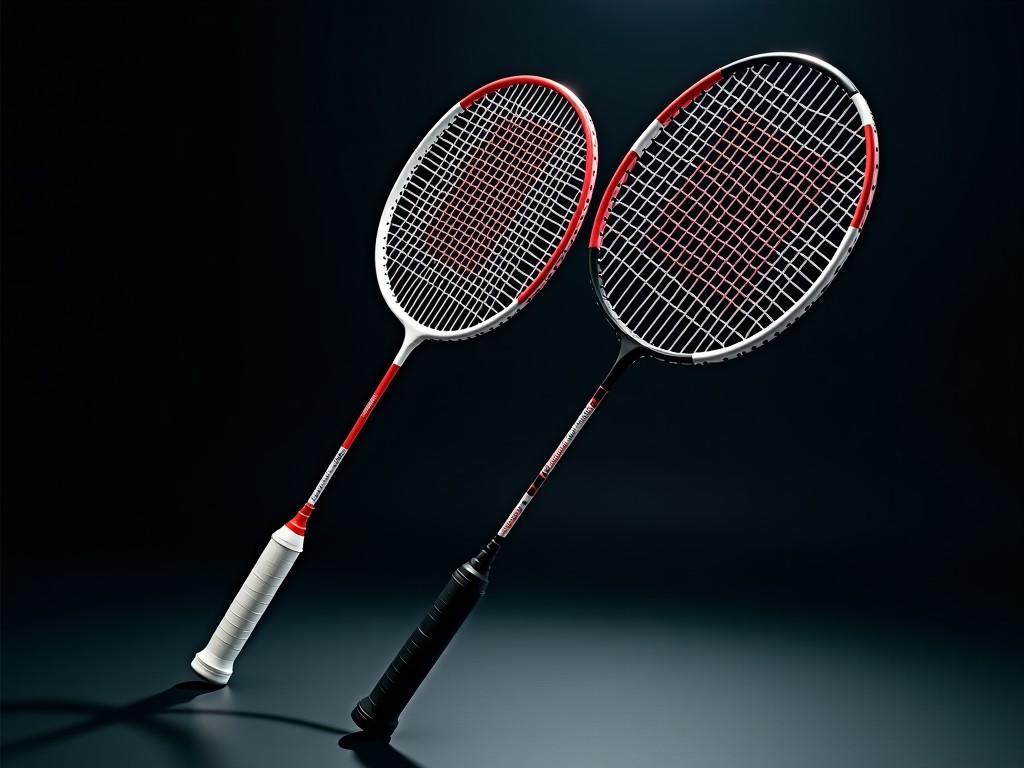
Custom Power Professional Badminton Racket
Engineers seeking a racket that combines rapid swing response with precise shuttle control evaluate frame stiffness, shaft flex, and mass distribution as primary performance drivers. This overview outlines the engineering considerations behind a customizable badminton racket built for high‑level competition.
Frame Construction and Materials
The frame utilizes a unidirectional carbon‑fiber layup with a tensile modulus of approximately 230 GPa, providing high strength‑to‑weight ratio while limiting torsional twist during impact. Inner layers incorporate a low‑density epoxy resin to dampen vibration, and the outer surface receives a micro‑textured finish to improve grip on the shuttlecock during high‑speed exchanges.
Shaft Design and Flex Characteristics
Shaft geometry influences the racket’s whip and recovery speed; a tapered rectangular cross‑section with a wall thickness gradient from 1.2 mm at the throat to 0.8 mm at the tip yields a flex point around 65 mm from the handle, translating to a medium‑stiff feel suitable for aggressive net play and powerful clears.
Weight Distribution and Balance
Mass distribution determines swing weight and maneuverability; the racket can be tuned across a range of balance points from head‑heavy (≈295 mm) to head‑light (≈260 mm) by adjusting internal weighting inserts located in the frame’s 3 o’clock and 9 o’clock positions.
| Parameter | Typical Range | Adjustment Method |
|---|---|---|
| Weight (unstrung) | 78 g – 88 g | Carbon‑fiber layup density |
| Balance point (from handle) | 260 mm – 295 mm | Internal tungsten inserts |
| Swing weight (approx.) | 285 mm – 315 mm | Combined weight & balance |
| Shaft flex (stiffness index) | 6.5 – 7.5 (mid‑stiff) | Taper geometry & material modulus |
Stringing and Grip Options
String bed tension influences rebound velocity and feel; recommended tensions range from 22 lb to 30 lb depending on player style, with the frame capable of sustaining up to 32 lb without permanent deformation. Grip size is offered in standard circumferences (G2, G3, G4) and can be enlarged via over‑grip layers or custom‑molded silicone inserts for enhanced palm contact.
Customization Capabilities
Tailoring options include aesthetic finishes, performance tuning, and branding integration, allowing OEMs and distributors to align the racket with specific market requirements or team identities.
- Matte, gloss, or satin UV‑cured paint systems with Pantone color matching.
- Laser‑etched or sublimated logos on the shaft and frame.
- Weight‑adjustable plugs (0.5 g – 5 g) inserted at predefined ports.
- Custom grip shapes contoured to player hand scans.
- Optional reinforced grommet sets for high‑tension stringing.
Applications in Competitive Play
Competitive players benefit from a racket that delivers rapid acceleration for smashes while maintaining precise placement for drop shots; the balanced flex profile reduces arm fatigue during extended rallies, and the adjustable balance enables specialization for singles (slightly head‑heavy) or doubles (head‑light) configurations.
Quality Assurance and Testing
Each racket undergoes three‑point bend testing to verify flex consistency, impact resilience assessment using a 5 g shuttlecock simulator at 350 km/h, and torsional rigidity measurement to ensure twist remains below 2° under peak load. Visual inspection checks for resin uniformity, and dimensional audits confirm tolerances within ±0.2 mm for critical geometries.
Protective Packaging and Logistics
Protective packaging prevents damage during transit; rackets are placed in low‑density polyethylene foam inserts within a double‑wall corrugated carton, sealed with moisture‑resistant tape, and labeled with handling instructions. Palletized shipments include corner protectors and stretch‑film wrapping to safeguard against shifting and environmental exposure.
Typical Questions from Procurement Teams
The following points address common inquiries regarding customization, tooling, and delivery timelines for this racket platform.
- Can dimensions be customized?
- Yes, frame length, shaft length, and grip circumference can be adjusted within standard tolerances.
- What information is required before quotation?
- Desired weight range, balance preference, flex level, string tension target, cosmetic details, and order volume.
- What material options are available for the frame?
- Primarily high‑modulus carbon‑fiber composites; alternative blends with Kevlar or boron are available upon request.
- How is quality inspected?
- Through mechanical flex testing, impact resilience checks, torsional rigidity measurement, and visual/ dimensional audits as described above.
- What packaging methods are available?
- Standard foam‑insert cartons, eco‑friendly recycled cardboard options, and custom‑branded packaging on request.
- How are export shipments protected?
- Using moisture‑barrier liners, corner protectors, and stretch‑film wrapping on pallets to mitigate shock and humidity.
- What is the typical production lead time?
- Four to six weeks after final design approval, depending on complexity and order size.
- How are samples arranged?
- Prototype samples are produced within two weeks of design confirmation and shipped via express courier for evaluation.
Ready to Discuss Specifications
For detailed technical data, pricing, or to initiate a sample run, please reach out to our engineering team using the contact form below.
Contact Us