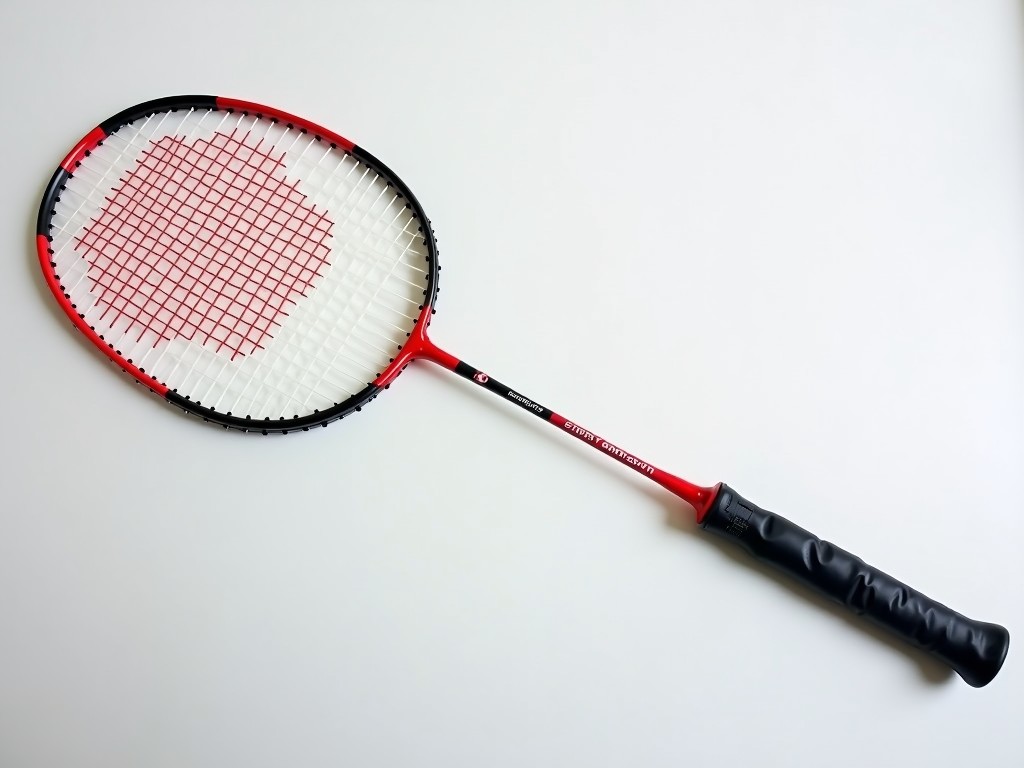
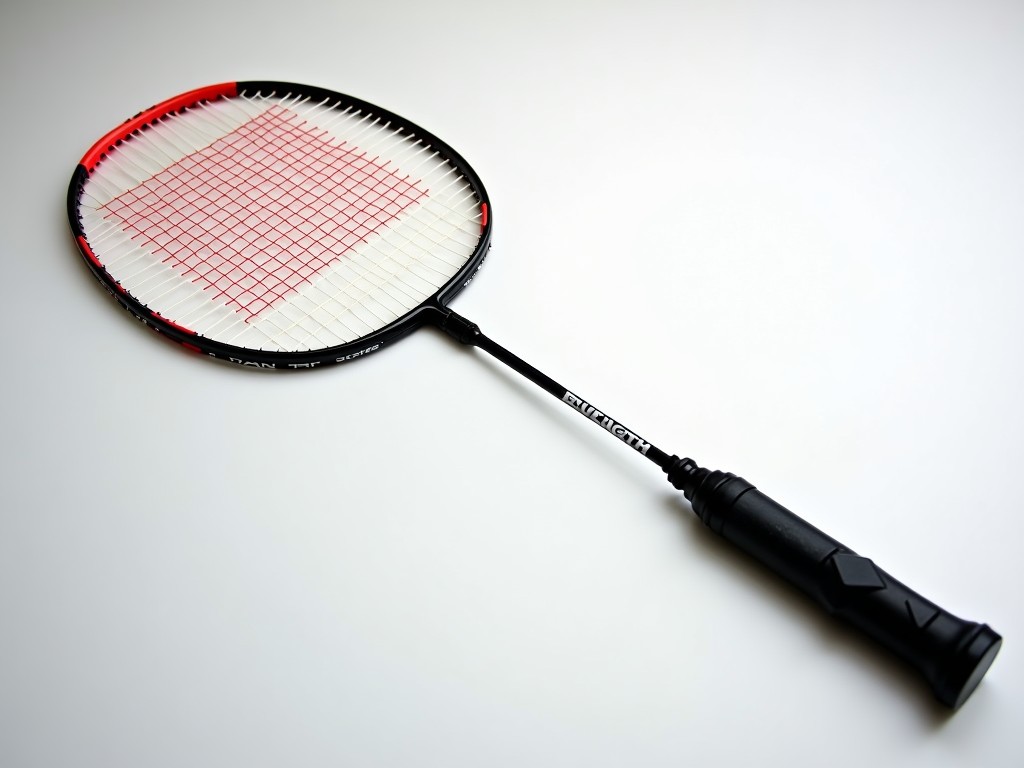
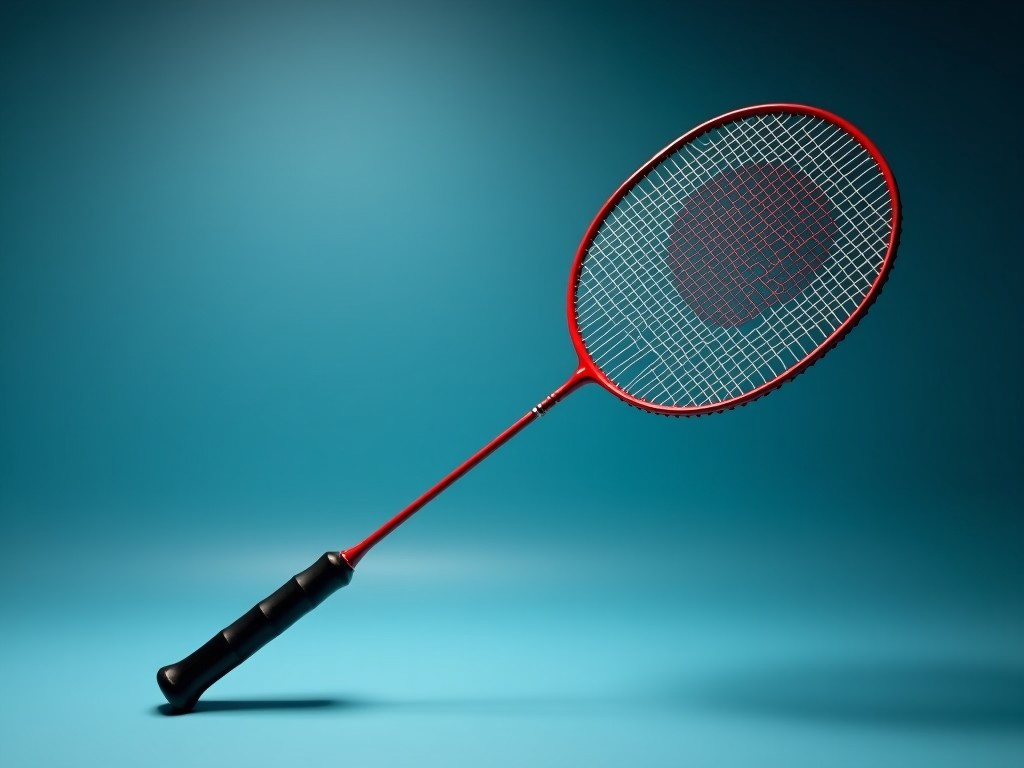
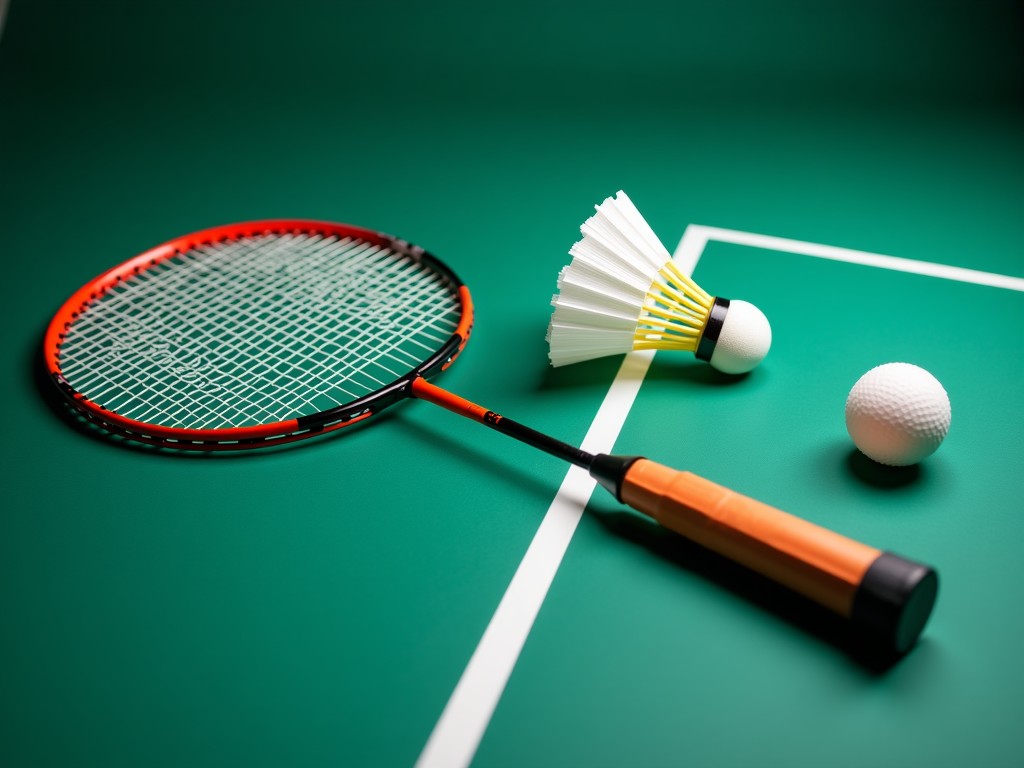
Wholesale Even Balance Badminton Racket Suppliers
Even balance describes a racket where the center of mass lies near the midpoint of the frame, providing a neutral feel between head‑heavy and head‑light designs. This configuration allows players to
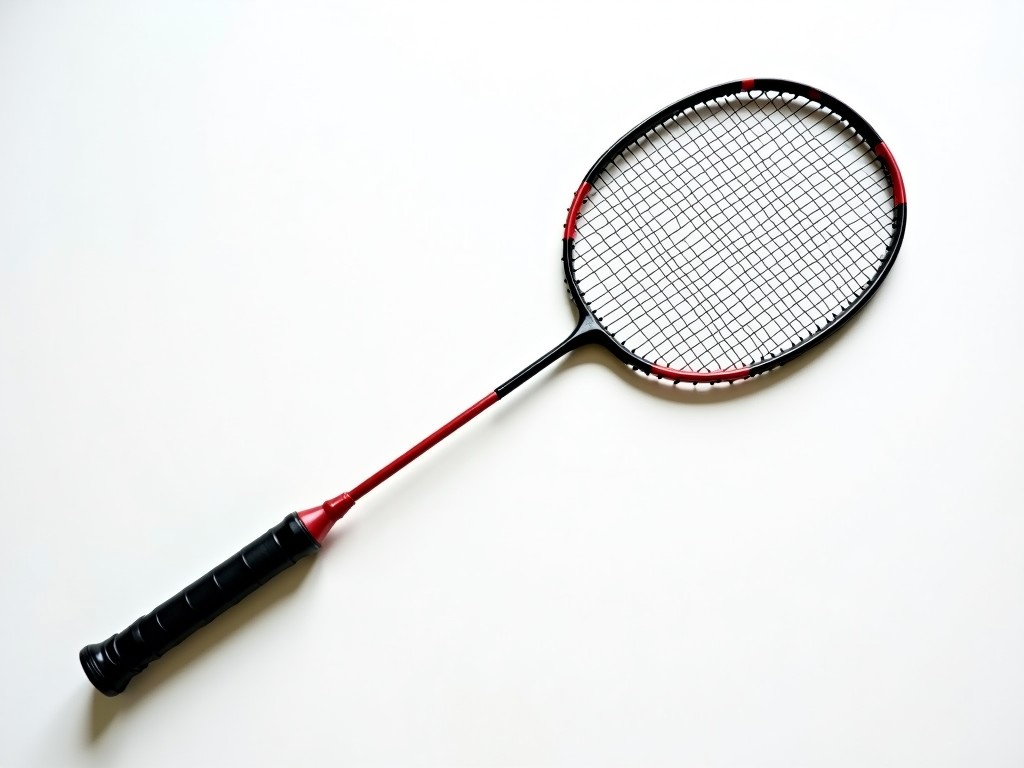
Wholesale Even Balance Badminton Racket Suppliers
Even balance describes a racket where the center of mass lies near the midpoint of the frame, providing a neutral feel between head‑heavy and head‑light designs. This configuration allows players to generate consistent swing speed while maintaining control over shot placement. Suppliers that focus on even balance models cater to clubs, training centers, and recreational players who value versatility over specialized power or speed.
Design Principles Behind Even Balance
The balance point is measured from the handle end; an even balance typically falls between 285 mm and 295 mm for a standard 675 mm racket. Achieving this requires precise distribution of graphite layers, resin content, and any reinforcing tapes along the shaft and frame. Engineers adjust the lay‑up schedule to shift mass toward the handle or head until the target point is reached within ±2 mm tolerance.
Material Construction
Most even balance rackets use a high‑modulus graphite core woven with carbon fiber sheets to maximize stiffness while keeping weight low. Some models incorporate nano‑enhanced resin to improve impact resistance without adding noticeable mass. The handle is usually made from polyurethane‑filled wood or synthetic foam, wrapped with a synthetic grip that can be replaced.
- Graphite‑carbon hybrid shaft for tensile strength > 4 GPa
- Thermo‑formed frame with uniform wall thickness
- Grip circumference options: G2 (82 mm), G3 (86 mm), G4 (90 mm)
Performance Characteristics
Typical weight ranges for even balance rackets are 80 g to 88 g unstrung, which translates to 88 g to 96 g when strung with a standard 1.20 mm gauge. Swing speed remains stable across forehand and backhand strokes due to the symmetrical mass distribution. Shaft flex ratings usually fall between medium and stiff, providing a balance of rebound and control suitable for all‑round play.
Customization Options
Suppliers can adjust grip size, string tension recommendations, and cosmetic finishes according to buyer specifications. Logo placement is available on the shaft throat or frame interior using pad printing or laser etching. Color matching to corporate pantone codes is offered for the frame paint and grip wrap.
- Grip size: G2, G3, G4, custom
- String tension: 20‑30 lbs (adjustable per player preference)
- Frame finish: matte, gloss, metallic
- Logo: single‑color, multi‑color, embossed
Quality Control Philosophy
Each batch undergoes dimensional verification of balance point using a precision pivot scale, with acceptance criteria of ±2 mm from target. Flexural stiffness is measured via a three‑point bend test, ensuring values stay within the declared range ±5 %. Visual inspection checks for resin voids, fiber misalignment, and surface finish defects before packaging.
Typical Applications
Even balance rackets are suited for environments where players rotate between singles and doubles, requiring both defensive recovery and offensive shot accuracy. Clubs that host mixed‑skill sessions benefit from the neutral feel, reducing the need for multiple racket types. Training academies often select these models for junior development programs because the balanced weight promotes proper swing mechanics without overemphasizing power.
Comparison of Standard Even Balance Models
| Model | Weight (g) Unstrung | Balance Point (mm from handle) | Shaft Flex | Typical Use |
|---|---|---|---|---|
| EB‑100 | 82 | 288 | Medium | Club play, all‑round |
| EB‑150 | 86 | 292 | Stiff | Intermediate training |
| EB‑200 | 80 | 285 | Medium‑Flex | Junior development |
Frequently Asked Questions
Can dimensions be customized? Yes, grip size, length, and balance point can be adjusted per project requirements.
What information is required before quotation? Desired quantity, target weight range, preferred grip size, logo artwork, and delivery timeline.
What materials are available? Standard high‑modulus graphite, carbon‑graphite hybrid, and optional nano‑reinforced resin.
How is quality inspected? Each rackets undergoes balance point verification, flex testing, and visual inspection before packing.
What packaging methods are available? Individual sleeved packs, bulk cartons with foam separators, and palletized export packaging.
How are export shipments protected? Corner protectors, moisture‑ barrier liners, and strapped pallets to prevent movement.
What is the typical production lead time? 4‑6 weeks after approval of samples, depending on order size and customization complexity.
How are samples arranged? Samples are shipped via express courier with charges credited against the first order.
Contact for Wholesale Inquiry
To discuss specifications, request a formal quote, or arrange sample shipment, please reach out using the link below.