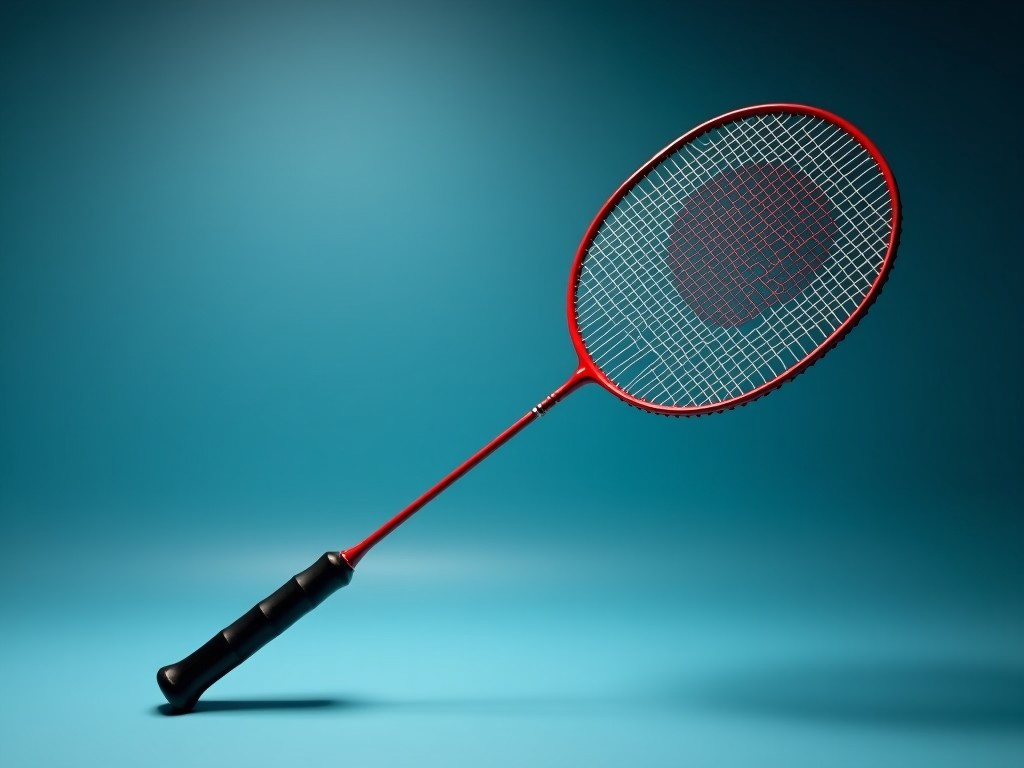
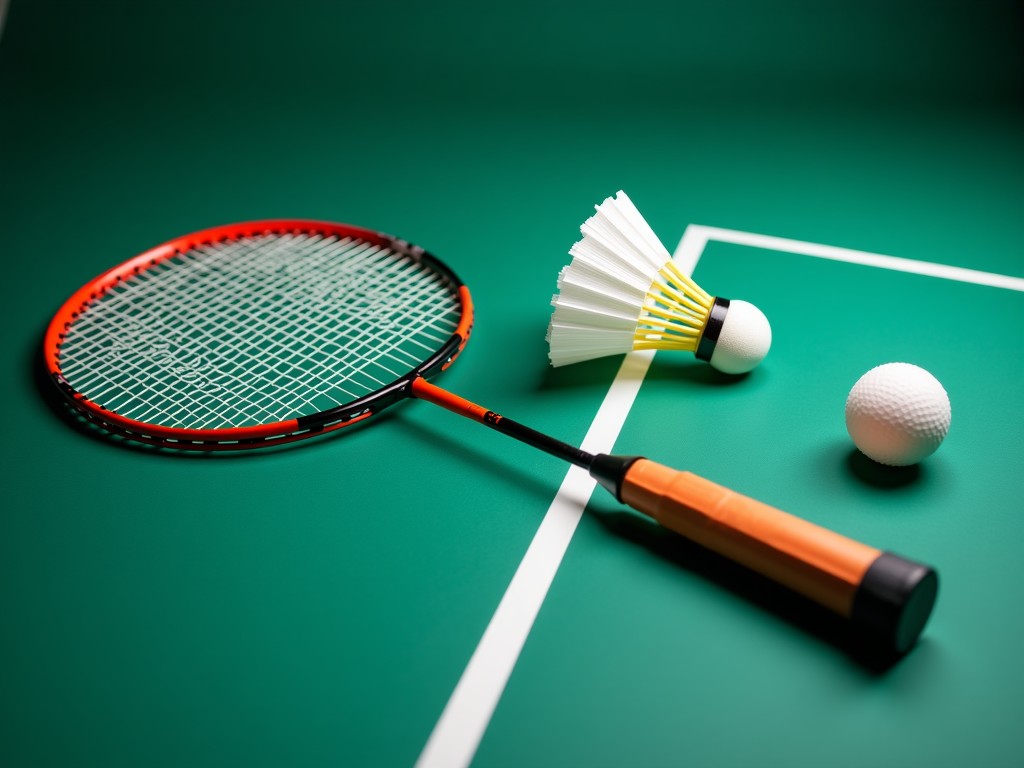
Oem Super K Badminton Racket Supplier
This page outlines the technical attributes and manufacturing considerations for the Super K series badminton racket when sourced as an OEM component. Information is presented to assist engineers and
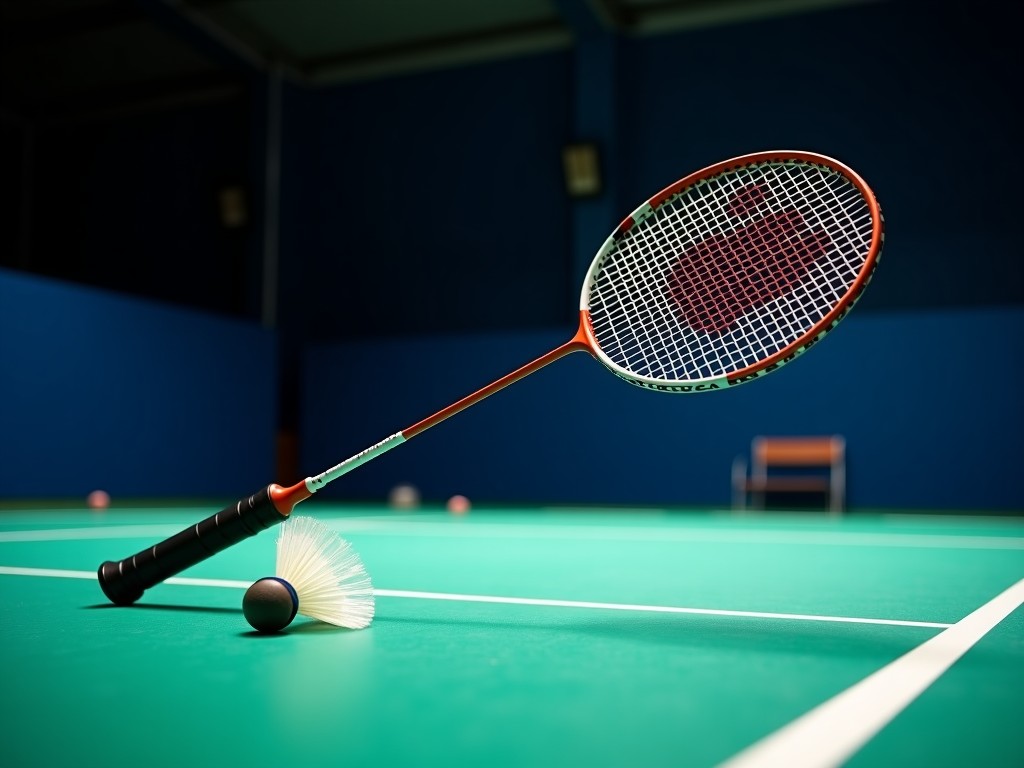
OEM Super K Badminton Racket Supplier
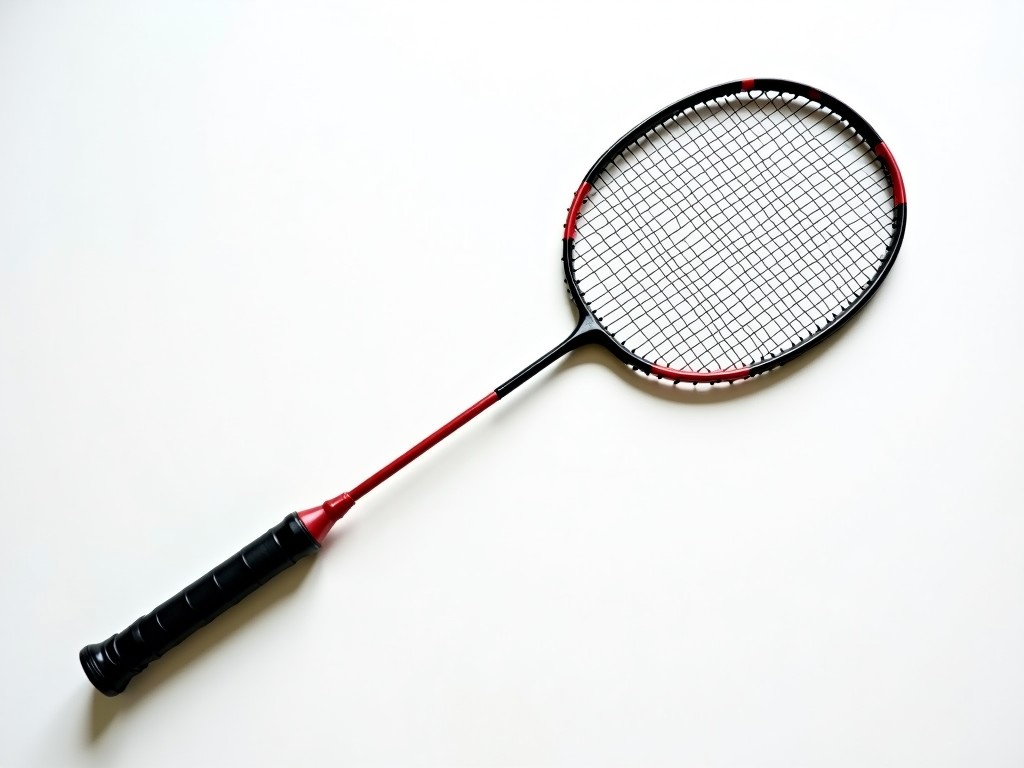
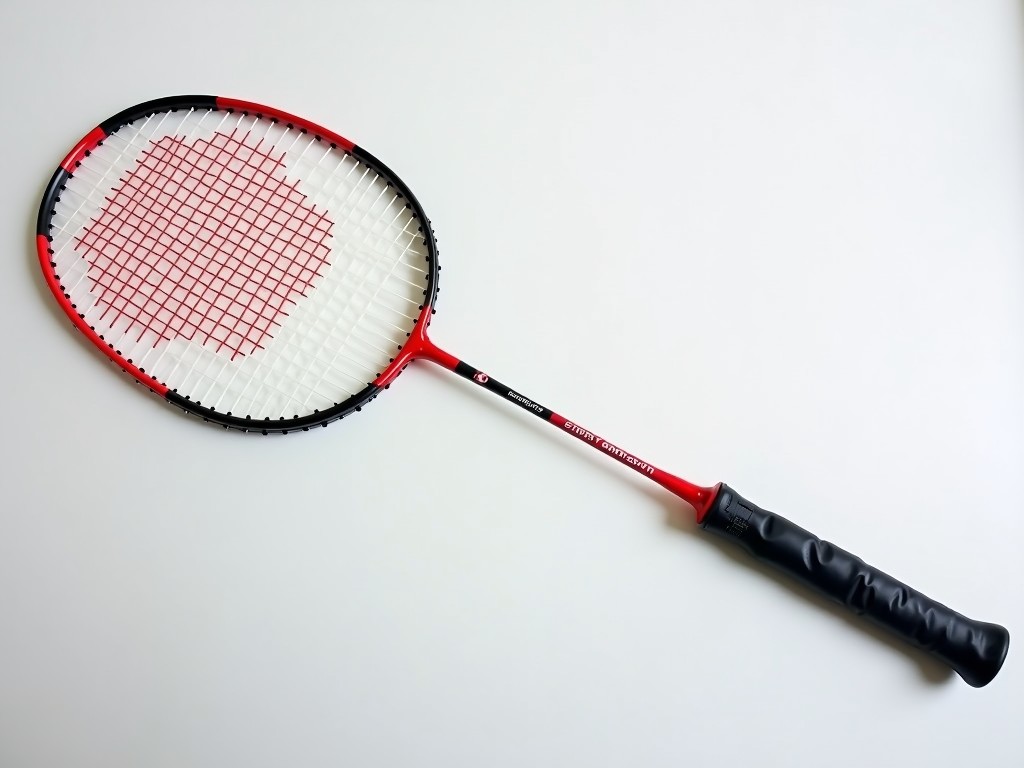
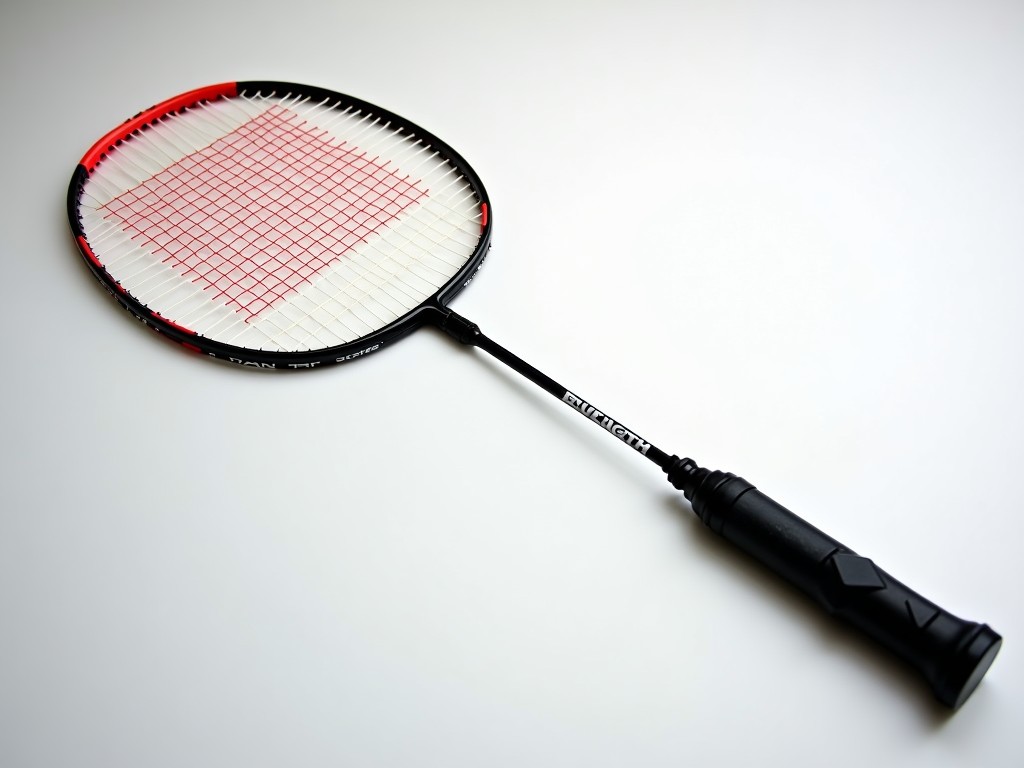
This page outlines the technical attributes and manufacturing considerations for the Super K series badminton racket when sourced as an OEM component. Information is presented to assist engineers and procurement specialists in evaluating suitability for specific performance requirements.
Technical Specifications
| Parameter | Typical Value / Range |
|---|---|
| Frame Material | High-modulus graphite composite (typically 80% carbon fiber) |
| Shaft Material | Graphite reinforced with nano‑silica particles |
| Unstrung Weight | 78 ± 2 g (depending on layup) |
| Balance Point | 285 ± 5 mm from butt cap (even‑balanced) |
| Recommended String Tension | 20–30 lb (9–13.5 kg) |
| Grip Size | G4 (standard), optional G3/G5 upon request |
| Overall Length | 675 mm (± 2 mm) |
Design and Engineering Considerations
The Super K frame employs a uni‑directional layup in the hoop to maximize torsional stiffness, which reduces frame deformation during high‑speed impacts. The shaft incorporates a tapered geometry with a gradual increase in modulus toward the throat, aiming to shift the flex point upward for improved rebound efficiency. These geometric choices are derived from finite‑element analysis targeting a natural frequency range of 110–130 Hz for the racket‑string system.
Weight distribution is controlled through precise resin content control during the molding cycle, allowing the manufacturer to achieve the specified balance point within ± 5 mm tolerance. String hole placement follows a 12‑hole pattern with reinforced grommets to distribute load and mitigate frame cracking at high tension.
Applications
- Competitive play where rapid swing speed and consistent response are required.
- Training environments that demand durability under repeated high‑tension stringing.
- Club programs seeking a standardized racket platform for player development.
- Custom branding projects for sports retailers needing a reliable OEM base.
Customization Options
- Alternate graphite modulus grades (e.g., intermediate‑modulus for increased flexibility).
- Custom paint‑sublimation or hydro‑graphics finishes with defined color tolerances.
- Modified grip shapes (ergonomic, rectangular, or tapered) with specific circumference.
- Adjustable weight kits (tungsten or lead inserts) placed in the handle or head.
- Special string hole patterns (e.g., 14‑hole for enhanced string movement).
Quality Assurance
Each production lot undergoes incoming material verification (fiber areal weight, resin viscosity) followed by in‑process checks of mold temperature and pressure curves. Finished rackets are measured for weight, balance, and swing weight using calibrated torsion‑balance equipment. A sample from each batch is subjected to cyclic impact testing (10 000 strokes at 25 m/s) to assess frame integrity, with acceptance criteria based on no visible delamination or permanent deformation exceeding 0.2 mm.
Packaging and Shipping
Rackets are placed in individual low‑density polyethylene sleeves, then packed into corrugated cartons with corner protectors and edge boards. Cartons are sealed with pressure‑sensitive tape and marked with handling symbols. For export, pallets are stretch‑wrapped and fitted with humidity‑indicating cards to monitor moisture exposure during transit.
Frequently Asked Questions
- Can dimensions be customized?
- Yes, frame length, grip circumference, and weight distribution can be adjusted per project specifications, subject to tooling constraints.
- What information is required before quotation?
- Desired weight range, balance point, material preferences, quantity, surface finish, and any required certifications.
- What materials are available?
- Standard high‑modulus graphite, intermediate‑modulus graphite, and hybrid composites with aramid or boron reinforcement.
- How is quality inspected?
- Dimensional checks, weight and balance verification, visual inspection for surface defects, and optional impact‑fatigue testing.
- What packaging methods are available?
- Individual sleeving, bulk packing in cartons, or custom foam inserts; all options are quoted per request.
- How are export shipments protected?
- Palletization, stretch wrapping, corner boards, and humidity monitoring as described above.
- What is the typical production lead time?
- Four to six weeks after final artwork approval, depending on order size and current plant load.
- How are samples arranged?
- Sample rackets can be produced with the requested specifications; shipping costs are borne by the requester.
For further details or to request a formal quotation, please contact our engineering team.