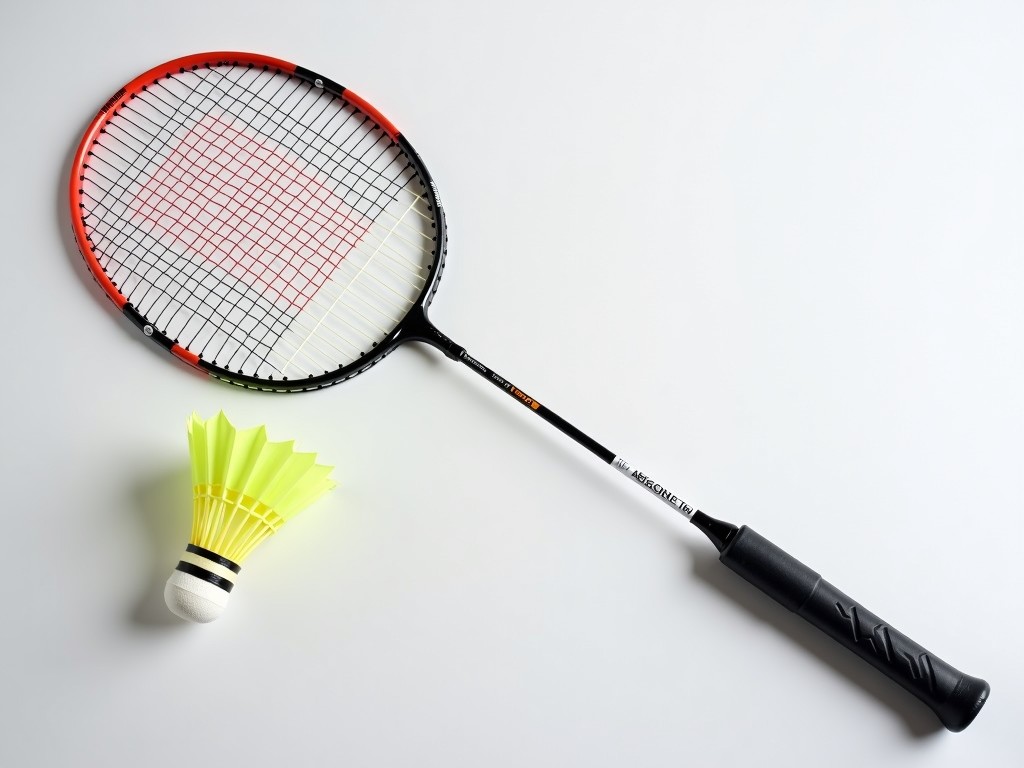
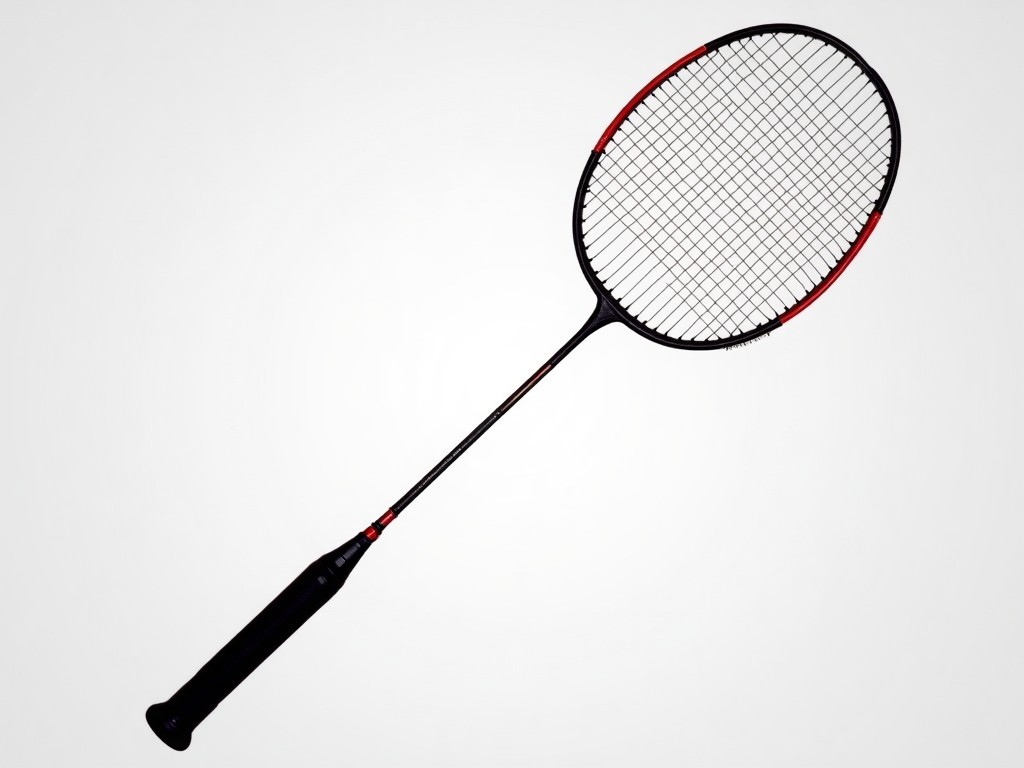
Bulk Strung Steel Badminton Rackets Exporter
This product line consists of steel‑based badminton rackets that are pre‑strung and supplied in bulk quantities for distributors, sports‑facility operators, and OEM assemblers. Parameter Typical

Bulk Strung Steel Badminton Rackets Exporter
This product line consists of steel‑based badminton rackets that are pre‑strung and supplied in bulk quantities for distributors, sports‑facility operators, and OEM assemblers.
Technical Specifications
| Parameter | Typical Value |
|---|---|
| Frame Material | High‑tensile carbon steel (AISI 1080) |
| String Type | Nylon multifilament, 0.68 mm gauge |
| String Tension (factory set) | 22 – 26 lb (adjustable per request) |
| Overall Length | 665 mm ± 2 mm |
| Weight (unstrung) | 85 g ± 5 g |
| Finish | Electro‑plated zinc‑nickel coating, 5 µm thickness |
Material Composition
The racket frame is formed from cold‑rolled carbon steel bar stock, selected for its yield strength exceeding 550 MPa and uniform grain structure, which minimizes deformation under repetitive impact loads.
Strings are manufactured from nylon multifilament yarn, treated with a heat‑set process to maintain consistent tension retention above 95 % after 500 h of simulated play.
Surface protection uses a zinc‑nickel alloy electroplating layer, providing a corrosion resistance rating of over 500 h in neutral salt spray (ASTM B117).
Manufacturing Process
Initially, steel blanks are cut to length using CNC saws, then subjected to a multi‑stage forging sequence that shapes the throat and shaft while preserving fiber orientation.
After forging, each frame undergoes precision grinding to achieve a tolerance of ±0.1 mm on the shaft diameter, followed by a stress‑relief anneal at 420 °C for one hour.
The final step involves automated stringing machines that apply pre‑calibrated tension via constant‑force pullers, ensuring uniform bed stiffness across the racket head.
Applications
- School and community sports programs requiring durable, low‑maintenance equipment for high‑frequency use.
- Commercial recreation centers that prioritize consistent performance across large inventories.
- OEM partners integrating rackets into branded sports‑goods lines where supply continuity is critical.
- Export distributors serving regions with limited local manufacturing capability.
Quality Assurance
Each production lot is subjected to three‑point bend testing to verify flexural modulus within the range of 70‑80 GPa, confirming compliance with the design stiffness target.
String tension is measured using a calibrated load cell; acceptance criteria require the mean tension to remain within ±0.5 lb of the set point across 95 % of sampled units.
Visual inspection follows a standardized checklist covering coating uniformity, burr‑free edges, and string alignment, with a defect threshold of less than 0.2 % per batch.
Customization Options
- Alternative steel grades such as AISI 4140 for increased fatigue resistance.
- Varied string gauges from 0.60 mm to 0.75 mm to tune power versus control characteristics.
- Custom logo application via laser etching or pad printing on the shaft.
- Special packaging configurations including palletized cartons or shrink‑wrapped bundles.
Packaging & Shipping
Rackets are packed in corrugated cartons with internal dividers that prevent shaft‑to‑shaft contact, each carton holding 24 units and featuring a burst strength of 200 psi.
For overseas shipments, cartons are stacked on ISO‑standard pallets, secured with poly‑strap, and covered with a UV‑stabilized polyethylene shrink film to mitigate moisture ingress.
Tracking data is recorded at each handling point, and a bill of lading includes the net weight, dimensions, and HS code 9506.91 for customs clearance.
Frequently Asked Questions
Can the string tension be adjusted after delivery?
Yes, the nylon multifilament strings can be re‑tensioned using a standard badminton stringing machine; however, altering tension beyond the factory range may affect frame stress distribution.
What information is required before quotation?
We need the desired quantity, preferred steel grade, string gauge, target tension, any branding specifications, and the destination port for freight calculation.
How is quality inspected before shipment?
Each lot undergoes dimensional verification, tension testing, and coating adhesion checks per ISO 9001‑aligned procedures; a test report is available upon request.
Contact for Inquiry
To discuss specific requirements, request a sample, or obtain a detailed lead‑time estimate, please reach out to our sales team.