China Cheap And Best Badminton Rackets Supplier
Procurement teams often seek rackets that meet performance tolerances while keeping unit costs within budget for large‑volume orders. This page outlines the engineering characteristics that define a
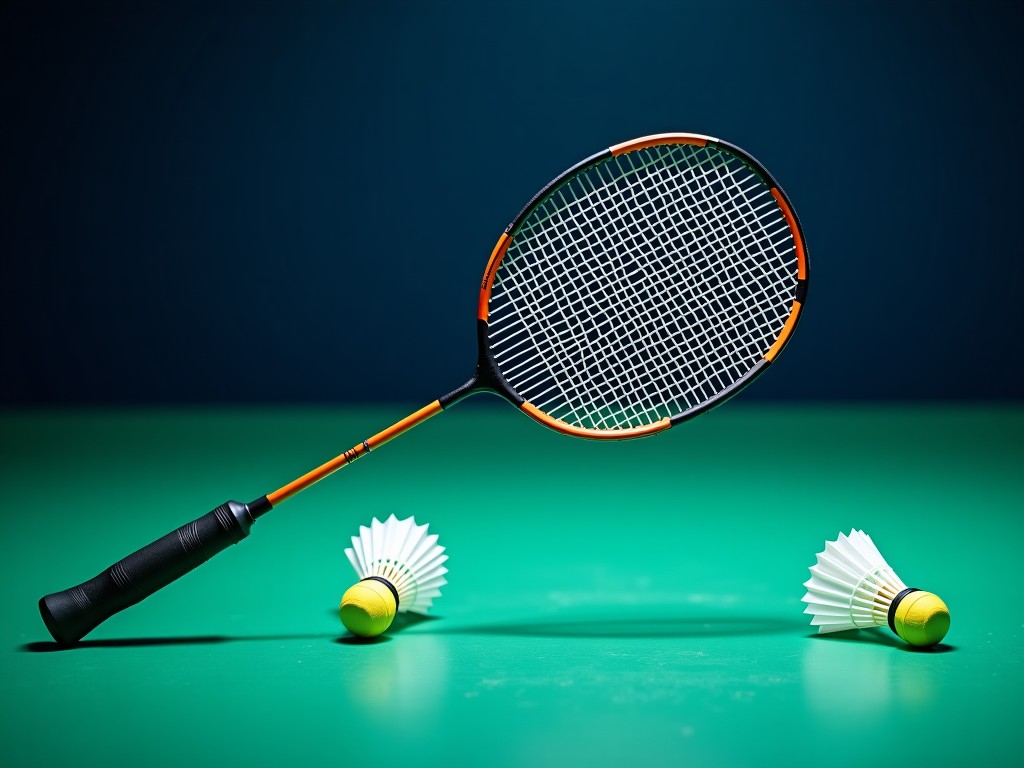
China Supplier of Cost‑Effective Badminton Rackets
Procurement teams often seek rackets that meet performance tolerances while keeping unit costs within budget for large‑volume orders. This page outlines the engineering characteristics that define a competitive badminton racket, the material choices that affect those characteristics, and the considerations a supplier must address to deliver consistent batches.
Key Technical Parameters
The primary performance variables for a racket are its total weight, balance point (head‑heavy, even, or head‑light), shaft stiffness, and recommended string tension range. These parameters influence swing speed, shot control, and player fatigue. Buyers typically specify a target weight window (e.g., 78–85 g) and a balance point measured in millimeters from the handle end to the racket’s center of mass.
| Parameter | Typical Range | Adjustment Method |
|---|---|---|
| Weight (unstrung) | 78 g – 86 g | Modulate carbon‑fiber layup thickness |
| Balance point | 285 mm – 300 mm from handle end | Shift resin distribution toward head or handle |
| Shaft stiffness (flex rating) | Flexible – Medium – Stiff (based on deflection under 5 N load) | Vary graphite modulus and taper geometry |
| Recommended string tension | 20 lb – 30 lb (9–13.5 kg) | Determined by frame grommet design and material strength |
Material Options
The frame and shaft materials dictate weight, stiffness, and durability. Common choices include high‑modulus carbon fiber, standard graphite, and aluminum alloys. Each material offers a distinct modulus‑to‑density ratio, which the supplier can tune by adjusting ply orientation and resin content.
- High‑modulus carbon fiber: tensile modulus ≈ 230 GPa, density ≈ 1.6 g/cm³ – enables lighter frames with high stiffness.
- Standard graphite: tensile modulus ≈ 140 GPa, density ≈ 1.5 g/cm³ – offers a balanced cost‑performance profile.
- Aluminum alloy (e.g., 6061): tensile strength ≈ 310 MPa, density ≈ 2.7 g/cm³ – used for entry‑level rackets where impact resistance is prioritized.
Customization Logic
Customization begins with the buyer’s performance targets. The supplier adjusts layup schedule, shaft taper, and grip size to hit the requested weight and balance. Cosmetic options such as logo printing, color‑coated paint, or grip tape are applied after the structural layup is cured, ensuring they do not affect mechanical properties.
Quality Control Approach
Incoming raw material is inspected for resin content and fiber areal weight. During production, each frame undergoes a dimensional check (length, width, throat width) and a static flex test to verify stiffness within ±5 % of the target. Finished rackets are sampled for string tension retention after 24 hours at the recommended tension. All measurements are logged and made available to the buyer upon request.
Typical Applications
Rackets produced to these specifications suit environments where many players share equipment, such as school sports programs, community recreation centers, and corporate wellness facilities. The balanced weight and moderate stiffness reduce the learning curve for novice players while still providing sufficient power for intermediate play. Bulk orders benefit from consistent tolerances, simplifying inventory management and replacement planning.
Frequently Asked Questions
- Can the weight and balance be customized? Yes, weight is adjusted by varying the number of carbon‑fiber plies and resin content; balance is shifted by altering the distribution of material toward the head or handle during layup.
- What information is required before quotation? Target weight range, preferred balance point, shaft flex description, estimated annual quantity, logo artwork (if any), and packaging preferences.
- Which materials are available? High‑modulus carbon fiber, standard graphite, and aluminum alloy frames; grip options include PU‑synthetic, cotton, or towel‑style grips.
- How is quality inspected? Incoming material certificates, in‑process dimensional and flex tests, final string‑tension retention checks, and visual defect screening.
- What packaging methods are available? Individual rackets in PE bags, 12‑piece cartons with corrugated dividers, or palletized bulk packs with corner protectors.
- How are export shipments protected? Cartons are sealed with moisture‑resistant tape, pallets are stretch‑wrapped, and shock‑absorbing corner boards are added for long‑haul containers.
- What is the typical production lead time? 20–30 working days after receipt of confirmed artwork and deposit, depending on order size and material availability.
- How are samples arranged? A pre‑production sample (usually 1–2 pieces) is produced after technical confirmation; shipping costs are borne by the requester unless otherwise agreed.
Contact for Technical Inquiry
To obtain a formal quotation, please provide the technical details listed above. Send your request to our technical sales team who will review the specifications, confirm feasibility, and return a detailed cost sheet within two business days.