Direct Factory Typti Tennis Racket And Ball Exporter
Sourcing tennis rackets and balls directly from the manufacturing facility eliminates intermediate handling, shortening lead times and improving traceability from raw material to finished shipment.
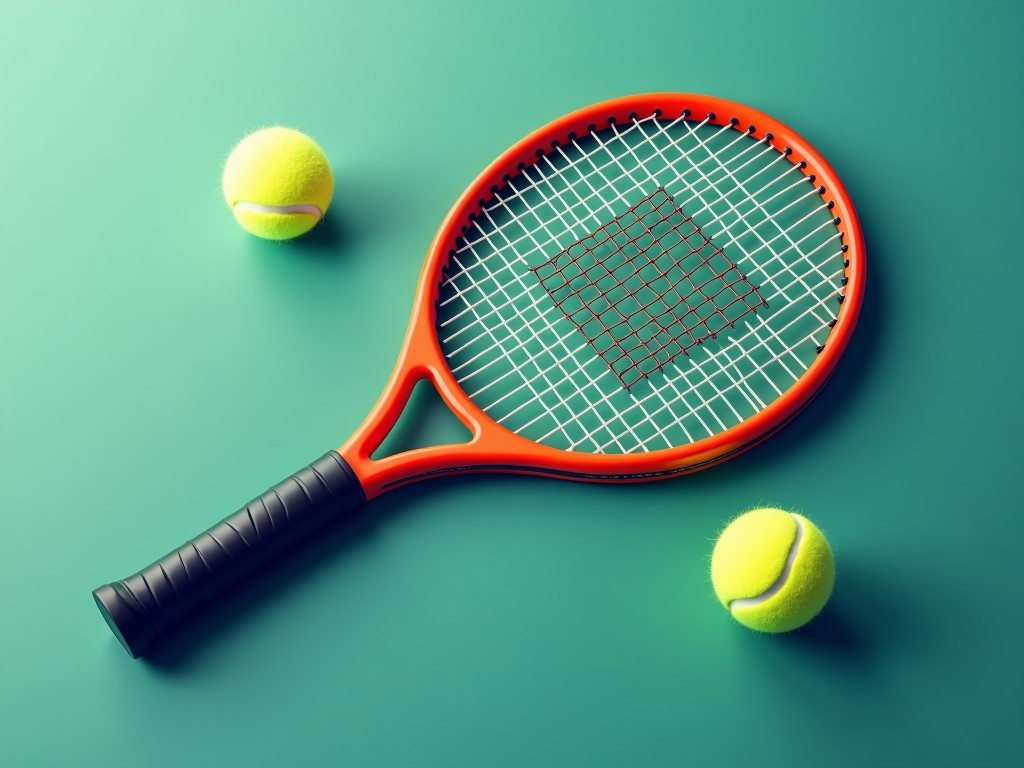
Direct Factory Tennis Racket and Ball Exporter
Overview
Sourcing tennis rackets and balls directly from the manufacturing facility eliminates intermediate handling, shortening lead times and improving traceability from raw material to finished shipment. This model allows buyers to specify exact tolerances and receive consistent batch‑to‑batch performance. The following sections detail the technical characteristics that define the product line.
Racket Specifications
Frames are constructed from a graphite‑carbon composite layup with a nominal tensile strength of 4.5 GPa, providing a high stiffness‑to‑weight ratio. Weight is controlled between 280 g and 310 g unstrung, with balance points ranging from 320 mm to 350 mm from the butt end, enabling head‑light, even, or head‑heavy configurations. String patterns are offered in 16×19 or 18×20 configurations, and the recommended string tension range is 22–28 lb for optimal power‑control balance.
Ball Specifications
The ball core consists of a natural rubber compound with a Shore A hardness of 60±2, inflated to an internal pressure of 1.65 ± 0.05 bar. The outer felt is a premium wool‑nylon blend with a nominal thickness of 2.0 mm, delivering a consistent coefficient of restitution of 0.75±0.02 under standard drop‑test conditions. Diameter is maintained at 67.0 ± 0.5 mm and weight between 56.0 g and 59.4 g.
Manufacturing Process
Racket production begins with pre‑impregnated graphite tapes wound around a mandrel, followed by vacuum bagging and autoclave curing at 180 °C for 90 minutes to achieve full polymer cross‑linking. After curing, frames are ground to final dimensions, drilled for string holes, and fitted with polyurethane grips. Stringing is performed on computer‑controlled machines to ensure uniform tension across the ball‑impact zone. Ball manufacturing involves molding the rubber core under pressure, applying the felt via a pressurized adhesive system, and final curing at 150 °C for 20 minutes to set the felt‑core bond.
Quality Control
Each racket undergoes dimensional inspection (±0.5 mm on length, width, thickness), weight verification (±2 g), and balance measurement (±5 mm). A dynamic impact test simulates a 150 km/h ball strike, recording frame deflection to ensure it remains within 0.8 mm elastic limit. For balls, pressure retention is measured over 48 hours, with acceptable loss not exceeding 0.02 bar, and bounce height is validated against a standard concrete surface at 100 ± 3 cm drop height.
Applications
Rackets in the 280‑300 g, head‑light range are suited for fast‑swing baseline players seeking maneuverability, while the 300‑310 g, even‑balance models provide stability for all‑court play. The ball’s consistent pressure and felt durability make it appropriate for both club training sessions and sanctioned tournament play, where ITF‑approved bounce and speed characteristics are required.
Customization Options
- Laser‑etched or pad‑printed logos on the throat or shaft, with color matching to Pantone specifications.
- Grip variants: synthetic leather, perforated polyurethane, or cushioned rubber, available in black, white, or custom colors.
- String selection: natural gut, multifilament, polyester, or hybrid setups, with tension presets.
- Ball felt color options: standard optic yellow, high‑visibility orange, or custom dyed finishes.
- Packaging: individual sleeve, bulk pack of 12, or palletized cartons with customized labeling.
Packaging & Logistics
Rackets are placed in low‑density polyethylene sleeves, then stacked in corrugated cartons measuring 380 mm × 130 mm × 70 mm (internal dimensions) with a maximum gross weight of 15 kg per carton. Balls are packed in pressure‑maintaining trays of three, six, or twelve units, sealed in moisture‑barrier bags before carton insertion. Pallets conform to ISPM‑15 standards, and each shipment includes a commercial invoice, packing list, and certificate of origin to facilitate customs clearance.
Typical Values
| Parameter | Typical Value / Range |
|---|---|
| Racket Weight (unstrung) | 280 g – 310 g |
| Balance Point from Butt | 320 mm – 350 mm |
| String Pattern | 16×19 or 18×20 |
| Recommended String Tension | 22 lb – 28 lb |
| Ball Core Pressure | 1.65 ± 0.05 bar |
| Ball Diameter | 67.0 ± 0.5 mm |
| Ball Weight | 56.0 g – 59.4 g |
| Bounce Height (100 cm drop) | 100 ± 3 cm |
Frequently Asked Questions
- Can dimensions be customized? Yes, frame length, head size, and grip circumference can be adjusted within standard mold limits; please provide detailed drawings or specifications.
- What information is required before quotation? Required details include desired racket weight range, balance preference, string pattern, grip type, ball pressure, felt color, order quantity, and preferred Incoterms.
- What materials are available for the racket frame? Standard offering is graphite‑carbon composite; alternative blends such as glass‑fiber reinforced polymer are available upon request for cost‑sensitive projects.
- How is quality inspected? Each batch undergoes dimensional, weight, balance, impact, and pressure retention tests as outlined in the Quality Control section; test reports are available upon request.
- What packaging methods are available? Options include individual sleeves, bulk packs of 12, and palletized cartons with custom labeling; all packaging meets ISPM‑15 standards for export.
- How are export shipments protected? Cartons are sealed with moisture‑barrier layers, stacked on pallets with corner protectors, and stretch‑wrapped to prevent shifting during transit.
- What is the typical production lead time? Lead time ranges from 20 to 35 working days after final artwork approval, depending on order size and customization complexity.
- How are samples arranged? Sample rackets and balls can be dispatched via express coupons; sample costs are credited against the first production order.
To discuss your specific requirements or request a formal quotation, please reach out using the contact form below.
Request Quote



