Custom Typti New Racket Sport Game Supplier
Typti is a emerging racket sport that combines fast volleys with precise placement, requiring equipment that balances low swing weight with stable torsional stiffness. The frame geometry directly
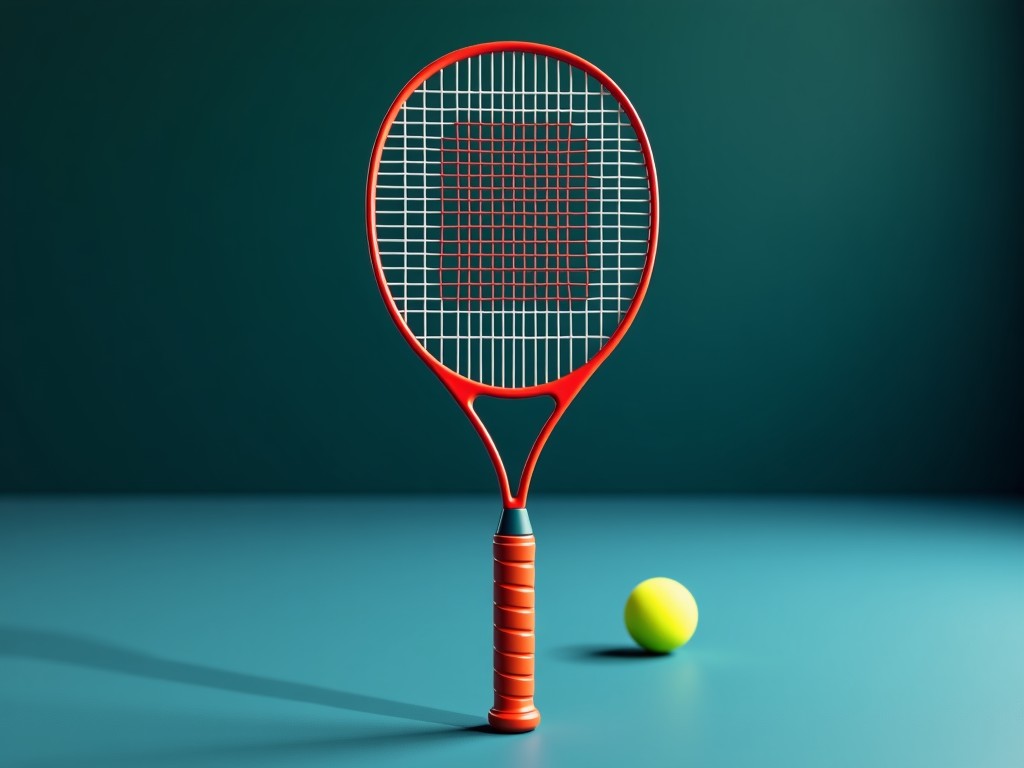
Custom Rackets for Typti Sport – Engineered for Performance and Consistency
Typti is a emerging racket sport that combines fast volleys with precise placement, requiring equipment that balances low swing weight with stable torsional stiffness. The frame geometry directly influences shot accuracy and player fatigue over extended matches. Understanding these dynamics guides the design of rackets that meet the specific demands of Typti gameplay.
Material selection focuses on high-modulus carbon fiber composites woven with a controlled resin system to achieve a target flexural modulus of 45–50 GPa while keeping density below 1.55 g/cm³. This combination yields a frame that resists deformation under impact loads exceeding 200 N yet remains light enough for rapid wrist snap. The layup schedule is adjusted per customer‑specified balance point, typically ranging from 280 mm to 310 mm from the butt cap.
String bed characteristics are defined by the cross‑sectional area of the strings and the tension range the frame can sustain without permanent deformation. For Typti, a string bed width of 21 mm and height of 23 mm provides optimal spin generation while maintaining a sweet spot diameter of approximately 95 mm. Recommended tension falls between 22 lb and 28 lb, adjustable in 1 lb increments based on player preference and playing style.
Technical Specifications
| Parameter | Typical Range | Customizable Options |
|---|---|---|
| Frame Material | High‑modulus carbon fiber/epoxy | Hybrid graphene‑reinforced layup, alternative fiber ratios |
| Weight (unstrung) | 260 g – 290 g | Fine‑tuned in 5 g increments via layup thickness |
| Balance Point | 280 mm – 310 mm from butt cap | Customer‑specified within ±5 mm |
| Swingweight | 280 – 320 kg·cm² | Adjustable through weight distribution zones |
| String Tension Range | 22 lb – 28 lb | Custom grommet patterns for atypical tensions |
Applications in Typti Play
The low swingweight enables rapid forehand drives essential for the fast‑break rallies characteristic of Typti, while the torsional stability reduces frame twist during off‑center hits, improving shot consistency. Players who favor a net‑rushing style benefit from a head‑light balance that enhances maneuverability without sacrificing power on smashes. Conversely, baseline‑oriented athletes may select a slightly head‑heavy configuration to increase momentum on groundstrokes.
- Competitive match play requiring rapid transition between defense and offense
- Training sessions focusing on repetitive stroke development where fatigue resistance matters
- Recreational leagues where durability across varied court surfaces reduces replacement frequency
Customization Logic
Each racket begins with a baseline laminate schedule derived from finite‑element analysis of impact loads measured at 150 Hz during Typti swing simulations. Adjustments to ply orientation or thickness are made to shift the neutral axis, thereby tuning the balance point while preserving overall stiffness. The process is documented in a parametric model that allows rapid iteration based on customer‑provided specifications such as target weight, preferred grip size, or desired string pattern.
Grip options are offered in three diameters (102 mm, 106 mm, 110 mm) with two surface textures: a perforated synthetic rubber for moisture wicking and a smooth polyurethane for a firmer feel. Grip length can be extended by up to 20 mm to accommodate two‑handed backhand preferences common among advanced Typti players.
Quality Control Philosophy
Every frame undergoes a non‑destructive ultrasonic scan to detect internal delaminations or fiber misalignment before painting. Acceptance criteria are set at a signal‑to‑noise ratio greater than 20 dB across the scan area, ensuring structural integrity. Subsequent to coating, each racket is subjected to a static load test at 250 N applied at the 3 o’clock position; deflection must remain under 0.8 mm to pass.
String bed uniformity is verified using a tension mapping device that records load at 64 points across the bed; variance must not exceed 5 % of the mean tension. Final inspection includes a visual check for coating thickness uniformity (target 30 µm ± 5 µm) and grip adhesion strength measured via a peel test (> 15 N/cm). These steps reduce the likelihood of field failure and support long‑term value for OEM buyers.
Packaging and Shipping
Rackets are placed in individual corrugated sleeves with internal polyethylene foam corners sized to absorb 15 J impact energy, protecting the frame edges during transit. Sleeves are then stacked in double‑wall cartons rated for 30 kg gross weight, with palletization following ISPM‑15 standards for international shipments. Desiccant packets maintain relative humidity below 50 % inside the package to prevent resin degradation.
Each carton includes a QR code linking to the product’s test data package, allowing recipients to verify inspection results before inventory integration. Lead times are quoted per project, typically ranging from 3 weeks for standard configurations to 6 weeks for highly customized layups, subject to material availability.
Frequently Asked Questions
Can dimensions be customized beyond the listed ranges? Yes, geometry adjustments are possible through altered layup thickness and internal reinforcement, subject to engineering review.
What information is required before quotation? Target weight, balance point, grip size, preferred string pattern, and any cosmetic requirements such as color or logo placement.
What material options are available? Base carbon‑fiber/epoxy, graphene‑enhanced hybrid, and alternative aramid‑carbon blends; all supplied with traceable material certificates.
How is quality inspected? Ultrasonic internal scan, static load deflection test, tension mapping of string bed, and final visual/grip adhesion checks as described above.
What packaging methods are available? Standard corrugated sleeve with foam corners; optional double‑sleeved solution for high‑volume orders.
How are export shipments protected? ISPM‑15 compliant pallets, corner protectors, and humidity‑controlled desiccant packets.
What is the typical production lead time? 3–6 weeks depending on customization complexity; exact schedule provided after technical review.
How are samples arranged? Sample racks are produced using the same production line as full orders; shipping costs are borne by the requester unless otherwise negotiated.




