Wholesale Oversized Orange Tennis Rackets Supplier
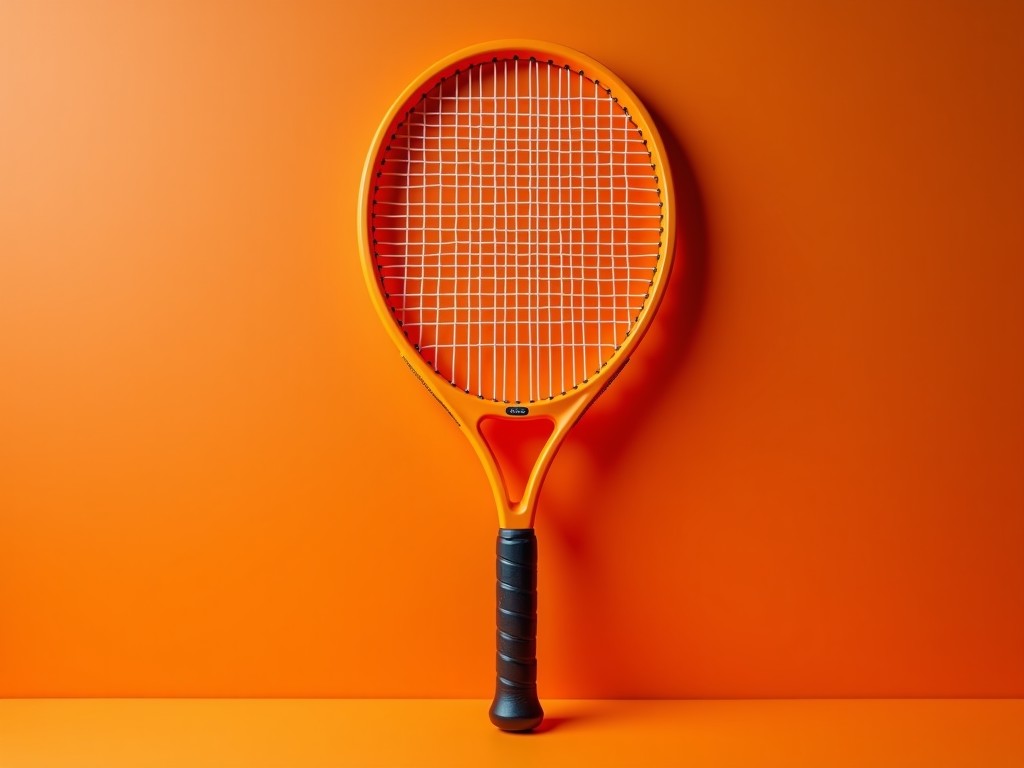
Oversized tennis rackets are defined by a head size exceeding 105 in², which enlarges the sweet spot and reduces off‑center hit vibration. The bright orange finish improves visibility on courts and
Wholesale Oversized Orange Tennis Rackets Supplier
Oversized tennis rackets are defined by a head size exceeding 105 in², which enlarges the sweet spot and reduces off‑center hit vibration. The bright orange finish improves visibility on courts and aids quick identification in bulk storage environments. Supplying these rackets wholesale enables distributors to stock a standardized product that meets the needs of training centers, schools, and recreational facilities.
Technical Specifications
Key dimensions include a head size of 110 in², a length of 27.5 in, and a strung weight ranging from 280 g to 310 g depending on the frame material. The balance point typically sits between 320 mm and 340 mm from the butt cap, offering a head‑light feel that enhances maneuverability for beginner‑to‑intermediate players. String pattern options are commonly 16 × 19 or 18 × 20, providing a balance between spin potential and durability.
| Parameter | Typical Value | Unit | Notes |
|---|---|---|---|
| Head Size | 110 | in² | Oversized classification |
| Length | 27.5 | in | Standard adult length |
| Strung Weight | 280‑310 | g | Dependent on material layup |
| Balance Point | 320‑340 | mm from butt | Head‑light distribution |
| String Pattern | 16 × 19 or 18 × 20 | – | Affects spin and control |
Design Rationale for the Oversized Frame
Increasing the head size raises the moment of inertia, which stabilizes the racket during impact and lowers the perceived shock transmitted to the arm. A larger sweet spot allows players to achieve consistent ball speed even when contact occurs away from the geometric center, a trait particularly valuable in high‑volume training sessions where fatigue can affect timing. The resulting reduction in vibration also extends the lifespan of the frame by mitigating micro‑crack formation at the throat.
Material Selection and Performance
Frames are typically constructed from a graphite‑carbon fiber composite reinforced with Kevlar layers at the 3 and 9 o’clock positions to improve torsional stiffness. An alternative entry‑level option uses 6061‑T6 aluminum alloy with a heat‑treated finish, delivering a weight range of 300‑320 g and a cost advantage for large‑volume orders. Both material systems receive a UV‑stable polyurethane coating that prevents color fading of the orange pigment under prolonged outdoor exposure.
Applications in Training and Recreational Facilities
Facilities that run beginner clinics benefit from the forgiving nature of oversized rackets, which reduces the frequency of mishits and accelerates skill acquisition. The high‑visibility orange hue allows coaches to quickly locate rackets across multiple courts, streamlining equipment management during peak usage periods. Additionally, the robust composite construction withstands repeated impacts from ball machines and wall drills, lowering replacement rates over a typical 12‑month cycle.
- Beginner and junior coaching programs
- Community recreation centers
- School physical‑education departments
- Tennis camps and clinics
- Corporate wellness facilities
Customization Options
Buyers can specify grip size ranging from 4 in to 4 ⅝ in, with optional leather or synthetic overgrips for enhanced sweat absorption. Weight customization is achieved by adjusting the layup thickness or integrating tungsten weighting plugs in the handle, allowing a fine‑tuned balance shift of up to 15 mm. String tension recommendations fall between 50 lb and 60 lb, but the rackets are pre‑stressed to 55 lb upon request. The orange coating can be matched to Pantone 16‑1349 TCX or altered to a matte finish for reduced glare.
- Grip size (4 in – 4 ⅝ in)
- Weight adjustment (±15 g)
- Balance point shift (head‑light to head‑heavy)
- String tension (50‑60 lb)
- Color shade (gloss, matte, metallic)
- Logo printing or embossing
Quality Control and Testing
Each production lot undergoes dimensional verification using laser‑scanning equipment to ensure head size remains within ±0.5 in² of the target. Weight and balance are checked on calibrated scales with a tolerance of ±2 g and ±2 mm respectively. Impact resistance is evaluated by dropping a 57 g steel ball from a height of 1.5 m onto the racket face; acceptable units show no visible cracks or delamination. UV exposure testing follows ASTM G154, confirming that the orange coating retains ≥80 % of its initial color intensity after 500 hours of simulated sunlight.
Packaging and Logistics
Rackets are packed in single‑wall corrugated sleeves with internal polyethylene foam inserts that protect the frame edges and string bed. Twenty‑four sleeves are stacked on a standard 48 in × 40 in pallet, secured with stretch film and corner boards to prevent shifting during transit. Each pallet is labeled with a barcode that encodes lot number, quantity, and destination code, facilitating inventory tracking in warehouse management systems.
Ordering and Lead Times
Minimum order quantities start at 200 units for standard configurations, with sample units available upon request for evaluation. Production lead time averages 22 working days from receipt of approved artwork and material specifications, subject to current capacity and raw‑material availability. Shipping options include FOB factory port or CIF destination port, with insurance coverage arranged per customer request.




