Oem Tennis Racket And Ball Set Manufacturer
Manufacturing tennis rackets and balls under OEM agreements requires precise control over material properties, dimensional tolerances, and performance characteristics that directly affect playability
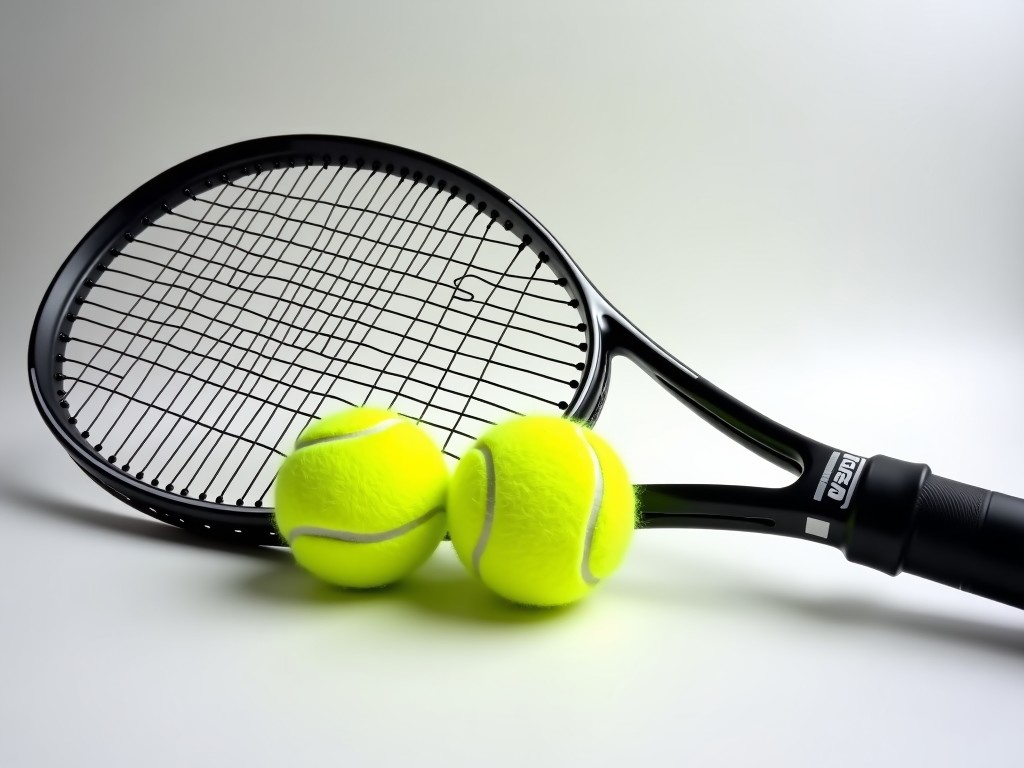
OEM Tennis Racket and Ball Set Manufacturer
Manufacturing tennis rackets and balls under OEM agreements requires precise control over material properties, dimensional tolerances, and performance characteristics that directly affect playability and durability. Buyers seek suppliers who can translate brand specifications into repeatable production runs while maintaining tight quality margins.
Material Selection and Performance Characteristics
Racket frames are commonly produced from graphite‑based composites, aluminum alloys, or hybrid blends. Graphite composites provide a high modulus of elasticity (typically 70‑80 GPa) and low density (≈1.55 g/cm³), enabling stiff yet lightweight frames. Aluminum options offer greater impact resistance with a modulus around 69 GPa and density ≈2.7 g/cm³, suitable for recreational lines where durability outweighs weight sensitivity.
Tennis balls consist of a rubber core pressurized to approximately 12‑14 psi, covered with a woven felt blend of nylon and wool. The felt thickness influences aerodynamic drag; typical values range from 2.0 mm to 2.4 mm. Core rubber hardness is measured in Shore A, usually between 40 and 50, to achieve the desired bounce consistency across temperature variations.
Design Customization Options
OEM programs allow adjustment of geometric and mass‑distribution parameters to match brand performance targets. Adjustable variables include head size, length, balance point, string pattern, and grip circumference. Each parameter influences swing weight, power, and control characteristics.
- Head size: 85‑110 in² (typical range for adult rackets)
- Length: 27‑29 inches (standard adult) with optional junior lengths 23‑26 inches
- Weight (unstrung): 260‑340 grams, adjustable in 5‑gram increments
- Balance point (head‑light to head‑heavy): 280‑340 mm from butt cap
- String pattern: 16×19, 18×20, or custom hybrid configurations
- Grip size: 4‑0 to 4‑5 (US) or 0‑5 (European), adjustable via pallet thickness
Manufacturing Process Overview
Racket production begins with pre‑impregnated graphite sheets cut to pattern, laid into a heated mold, and cured under pressure (typically 150‑200 °C, 150‑250 psi) to achieve the desired fiber volume fraction. After demolding, frames undergo precision machining for drill holes and grommet installation, followed by painting and clear‑coat curing. Ball manufacturing involves molding raw rubber cores, inserting a pressurized gas mixture, applying adhesive, and winding felt under tension before final steam‑curing to bond the felt to the core.
Critical tolerances include frame symmetry (±0.5 mm), weight variance (±2 g), and ball diameter (±0.3 mm). Process monitoring uses inline laser gauges and pressure transducers to maintain consistency across high‑volume runs.
Quality Control and Testing
Finished rackets are evaluated for swing weight (measured with a pendulum apparatus), frame stiffness (three‑point bend test), and torque resistance. Acceptable swing weight deviation is typically ±5 % of target. Ball quality checks include rebound height (ASTM F1888), weight (±0.2 g), and felt adhesion strength (peel test ≥ 1.5 N/mm). Each batch undergoes a sample size of 1 % for destructive testing, with statistical process control charts tracking key metrics.
Visual inspection criteria cover surface finish uniformity, absence of micro‑cracks in the composite, and proper string hole alignment. Documentation of test results is provided with each shipment to support traceability.
Applications and End‑Use Considerations
OEM tennis racket and ball sets serve distributors who require consistent performance across large retail channels, as well as training academies that need uniform equipment for player development. The ability to specify exact weight balances and ball pressures reduces variability in coaching drills and match simulations. Lead times are influenced by tooling preparation and material lead‑times, typically ranging from 4‑8 weeks after final approval of samples.
Environmental compliance is addressed through REACH‑checked adhesives and recyclable packaging options. Suppliers can provide material safety data sheets and compliance certificates upon request.
Technical Specifications
| Parameter | Typical Value / Range | Notes |
|---|---|---|
| Racket Head Size | 85‑110 in² | Customizable per brand spec |
| Racket Length | 27‑29 in (adult) | Junior lengths 23‑26 in available |
| Unstrung Weight | 260‑340 g | Adjustable in 5 g increments |
| Balance Point | 280‑340 mm from butt | Head‑light to head‑heavy |
| String Tension Range | 50‑70 lb | Dependent on frame design |
| Ball Diameter | 6.54‑6.86 cm | ITF approved tolerance |
| Ball Weight | 56.0‑59.4 g | ±0.2 g batch variance |
| Internal Pressure | 12‑14 psi | Measured at 20 °C |
| Felt Thickness | 2.0‑2.4 mm | Nylon/wool blend |
Frequently Asked Questions
- Can dimensions be customized? Yes, head size, length, weight, balance, grip size, and string pattern can be adjusted according to project requirements.
- What information is required before quotation? Detailed specifications including target weight range, desired balance point, material preferences, ball pressure, and anticipated order volume.
- What materials are available for racket frames? Graphite‑based composites, aluminum alloys, and hybrid blends; selection based on stiffness, weight, and impact resistance needs.
- How is quality inspected? Through swing weight measurement, stiffness testing, ball rebound tests, and visual inspection per ASTM and ITF standards.
- What packaging methods are available? Individual sleeved rackets with corrugated overpack, ball cans in shrink‑wrapped trays, or custom pallet configurations.
- How are export shipments protected? Using moisture‑barrier liners, corner protectors, and ISPM‑15 compliant pallets to meet international shipping regulations.
- What is the typical production lead time? Typically 4‑8 weeks after sample approval, depending on tooling readiness and material availability.
- How are samples arranged? Sample production follows the same tooling as mass production; lead time for samples is generally 2‑3 weeks.
For further details or to request a formal quotation, please contact our engineering team via the inquiry form below.
Submit Inquiry



