Oem Classic Expensive Tennis Rackets Factory
The production of classic, high‑performance tennis rackets for OEM partners begins with a clear definition of the mechanical targets that elite players require: a specific weight range, balance
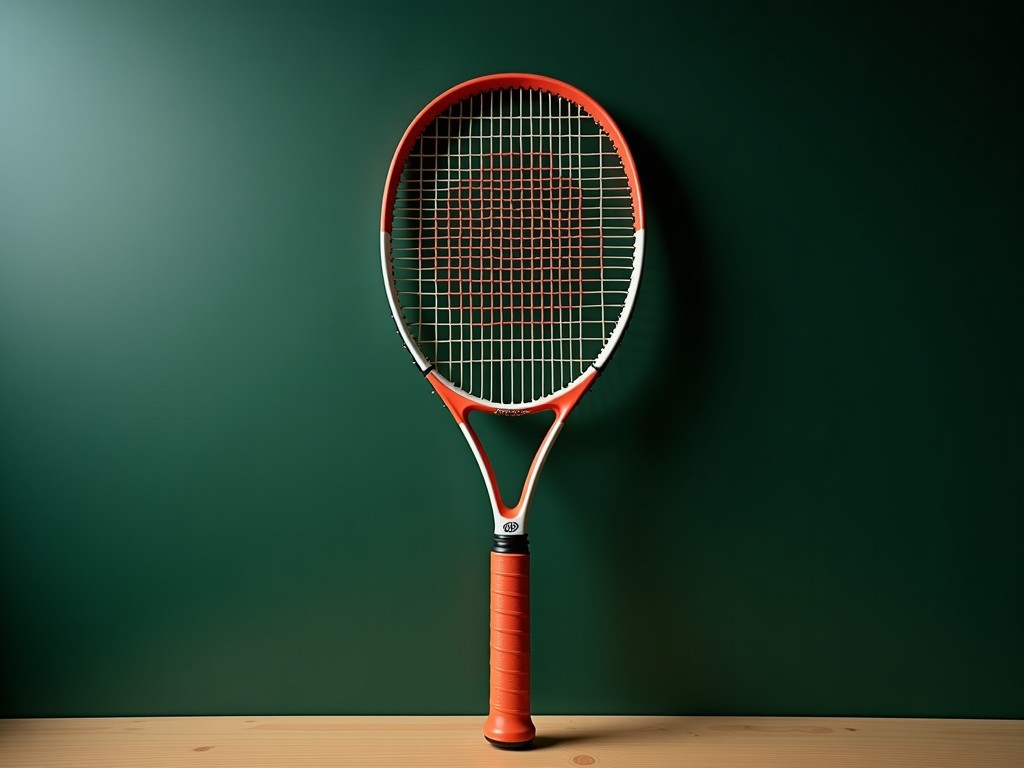
OEM Classic Expensive Tennis Rackets Factory
The production of classic, high‑performance tennis rackets for OEM partners begins with a clear definition of the mechanical targets that elite players require: a specific weight range, balance point, swing weight, and frame stiffness. These targets are translated into material layup schedules, molding tolerances, and finishing specifications that guide every step of the manufacturing process.
Materials and Construction
Frame blanks are typically built from high‑modulus carbon fiber prepreg, often combined with layers of graphite or aramid (Kevlar) to adjust damping and impact resistance. The fiber orientation is engineered to achieve a longitudinal modulus of approximately 230 GPa and a torsional modulus around 15 GPa, which together dictate the racket’s power‑control balance. Each ply is cut to a thickness tolerance of ±0.02 mm to ensure consistent mass distribution.
The throat and bridge sections may incorporate additional reinforcement plies to limit hoop stress during string tensioning, while the handle core often uses a low‑density foam or thermoplastic elastomer to achieve the desired grip weight without adding excessive bulk.
Manufacturing Process
Molds are precision‑machined from hardened steel to a surface roughness of Ra 0.4 µm, ensuring accurate replication of the frame geometry. Prepreg plies are laid up according to the programmed schedule, then the assembly is placed in a hydraulic press where it is cured at 180 °C under 150 psi for 90 minutes. Post‑cure, the blank undergoes demolding, excess flash removal, and precision drilling of string holes to a positional tolerance of ±0.1 mm.
After drilling, the frame is sanded to a surface finish of ≤ 10 µm Ra, then primed and painted with a UV‑stable coating that adds no more than 0.5 g to the total mass. Finally, the grip is installed, the butt cap is attached, and the racket is strung to the customer‑specified tension using a computerized stringing machine.
Customization Options
OEM customers can specify a range of performance and aesthetic variables that are directly tied to measurable engineering outcomes. Adjustments are made by altering ply count, orientation, or resin content, which in turn shifts weight, balance, and stiffness predictably.
- Target weight: 280 g – 340 g (± 2 g)
- Balance point: 310 mm – 350 mm from butt (± 1 mm)
- Swing weight: 280 – 340 kg·cm² (± 2 kg·cm²)
- String pattern: 16×19, 18×20, or custom (± 0.2 mm hole spacing)
- Grip size: L0 – L5 (± 0.5 mm circumference)
- Finish: matte, gloss, or metallic paint layers (≤ 0.5 g added mass)
- Logo placement: laser‑etched, sublimated, or embossed (position tolerance ± 0.5 mm)
Quality Control
Each finished racket undergoes a series of inspections that verify conformance to the agreed specifications before packaging. Measurements are performed on calibrated equipment with traceable standards, and results are logged for batch tracking.
| Parameter | Target | Tolerance |
|---|---|---|
| Weight | 300 g | ± 2 g |
| Balance point | 330 mm | ± 1 mm |
| Swing weight | 310 kg·cm² | ± 2 kg·cm² |
| Frame stiffness (RA) | 68 | ± 2 |
| String hole alignment | Nominal layout | ± 0.1 mm |
| Visual surface defect | None | A‑class |
Applications
These rackets are selected by professional tour players who require a precise combination of power and control, by coaching academies that need consistent performance across large batches for training drills, and by premium retail brands that offer a limited‑edition line with verified specifications. The tight tolerances on weight and balance ensure that athletes experience minimal variability when switching between rackets, which is critical for maintaining muscle memory during competition.
Frequently Asked Questions
Can dimensions be customized?
Yes. Frame length, head size, and beam width can be adjusted within the limits of the mold tooling; any change outside the existing tool set requires a new mold, which is quoted separately.
What information is required before quotation?
A detailed specification sheet that lists target weight, balance point, swing weight, string pattern, grip size, desired paint finish, and logo artwork files. Tolerances for each parameter should also be indicated.
How is quality inspected?
Inspection includes dimensional CMM checks, weight measurement on a precision scale, balance assessment on a pivot board, swing weight measurement using a pendulum method, and stiffness testing via a RA detector. All results are recorded against the specification limits.
What packaging methods are available?
Standard packaging consists of individual foam‑cut sleeves placed in a corrugated carton with corner protectors. For export, cartons are palletized, stretch‑wrapped, and fitted with humidity‑indicating cards to monitor transit conditions.
Contact for OEM Inquiry
To discuss your specific racket requirements, request a technical quotation, or arrange a sample evaluation, please use the inquiry form below.
Send Inquiry



