Oem Carbon Fiber Tennis Rackets Manufacturer
Carbon fiber rackets are built from pre‑impregnated tapes that are cured under heat and pressure to form a monolithic frame. The stiffness‑to‑weight ratio of the laminate determines swing speed and
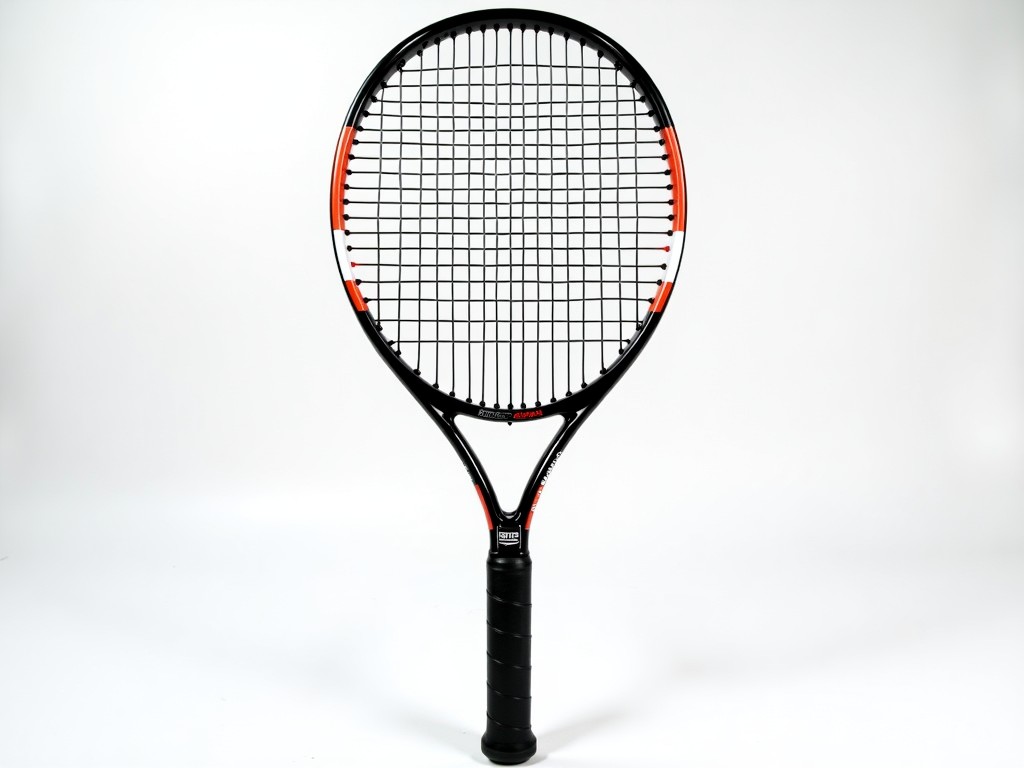
OEM Carbon Fiber Tennis Rackets Manufacturing
Overview of Carbon Fiber Racket Production
Carbon fiber rackets are built from pre‑impregnated tapes that are cured under heat and pressure to form a monolithic frame. The stiffness‑to‑weight ratio of the laminate determines swing speed and shock absorption. Manufacturers select fiber modulus and resin system based on target player performance profiles.
Material Composition and Layup Design
A typical racket uses a combination of high‑modulus (HM) carbon fiber in the hoop for torsional stability and intermediate‑modulus (IM) fiber in the shaft for flex control. The layup sequence is defined by ply angle, typically 0°, ±45°, and 90°, to balance bending and torsional stiffness. Resin content is kept between 30% and 35% by weight to avoid brittleness while ensuring adequate fiber wetting.
- Hoop: 60% HM fiber, 0°/90° plies, targeting tensile modulus ≥ 230 GPa.
- Shaft: 40% IM fiber, ±45° plies, targeting flexural modulus ≈ 150 GPa.
- Butt cap and handle: reinforced with aramid or Kevlar tape for impact resistance.
Performance Characteristics Derived from Laminate Properties
Frame stiffness is measured as the force required to produce a 1 mm deflection at the throat; typical values range from 180 N/mm for player‑friendly models to 260 N/mm for power‑oriented frames. Swing weight, calculated from mass distribution, influences maneuverability; a 300 mm balance point yields a swing weight around 300 kg·cm² for a 300 g racket. Damping capacity, expressed as loss factor, is kept below 0.02 to minimize vibration transmission to the arm.
Customization Options for OEM Partners
- Fiber modulus selection: HM, IM, or ultra‑high‑modulus (UHM) tapes.
- Resin system: epoxy, toughened epoxy, or thermoplastic polyurethane.
- Paint finish: matte, gloss, or UV‑resistant clear coat.
- Grip size: ranging from L0 to L5 with optional over‑wrap thickness.
- String pattern: 16×19, 18×20, or custom hybrid patterns.
Manufacturing Process Flow
Prepreg tapes are cut to shape and placed on a mandrel using computer‑controlled layup equipment. The assembled frame undergoes vacuum bagging and autoclave curing at 180 °C and 1.2 bar for 90 minutes. Post‑cure machining removes excess material and creates the throat, grommet holes, and handle shape. Final steps include painting, grip application, and stringing fixture preparation.
Quality Control and Inspection Criteria
Each frame is inspected for fiber waviness using ultrasonic C‑scan, with acceptance criteria of less than 5% void area. Dimensional tolerances are held to ±0.2 mm for length and ±0.1 mm for width. Flexural testing is performed on a three‑point bend rig; stiffness must fall within ±5% of the target value specified in the OEM’s design sheet. Surface finish is evaluated for gloss uniformity and adhesion strength (> 2 MPa).
Typical Applications in the Tennis Industry
OEM carbon fiber rackets serve performance‑driven brands that require precise control over frame geometry to match player profiles ranging from junior beginners to professional tour players. The ability to adjust hoop stiffness and shaft flex enables manufacturers to tune power, control, and feel without changing overall weight. Custom layup also allows for specialized frames such as arm‑friendly models with increased damping or extra‑stiff frames for high‑speed serves.
Comparison of Standard vs. High‑Modulus Layup
| Property | Standard Layup (IM‑dominant) | High‑Modulus Layup (HM‑dominant) |
|---|---|---|
| Tensile Modulus (GPa) | 150 – 180 | 220 – 250 |
| Frame Stiffness (N/mm) | 180 – 210 | 230 – 260 |
| Typical Weight (g) | 295 – 315 | 285 – 305 |
| Loss Factor (damping) | 0.018 – 0.022 | 0.012 – 0.016 |
| Cost Factor (relative) | 1.0 | 1.25 – 1.35 |
Frequently Asked Questions
Can the racket dimensions be customized?
Yes, head width, length, and throat geometry can be adjusted within ±3 mm to meet specific OEM design requirements while maintaining structural integrity.
What information is needed before a quotation?
We require target weight, balance point, desired stiffness range, preferred fiber modulus, resin type, grip size, and any cosmetic specifications such as paint color or logo placement.
How is quality inspected during production?
Each lot undergoes ultrasonic C‑scan for void detection, dimensional verification with laser scanning, and flexural stiffness testing on a calibrated three‑point bend rig. Results are documented in a test report supplied with the shipment.
Ready to Discuss Your OEM Racket Project?
Our engineering team is available to review your performance targets, propose a layup strategy, and provide a detailed quote with lead times. Please share your specification sheet or contact us directly to start the conversation.
Request a Quote



