Custom White Vintage Tennis Rackets Supplier
The product line consists of hand‑finished rackets that replicate the appearance of early‑20th‑century wooden frames while incorporating modern tolerances for playability. Each racket is supplied in
Custom White Vintage Tennis Rackets Supplier
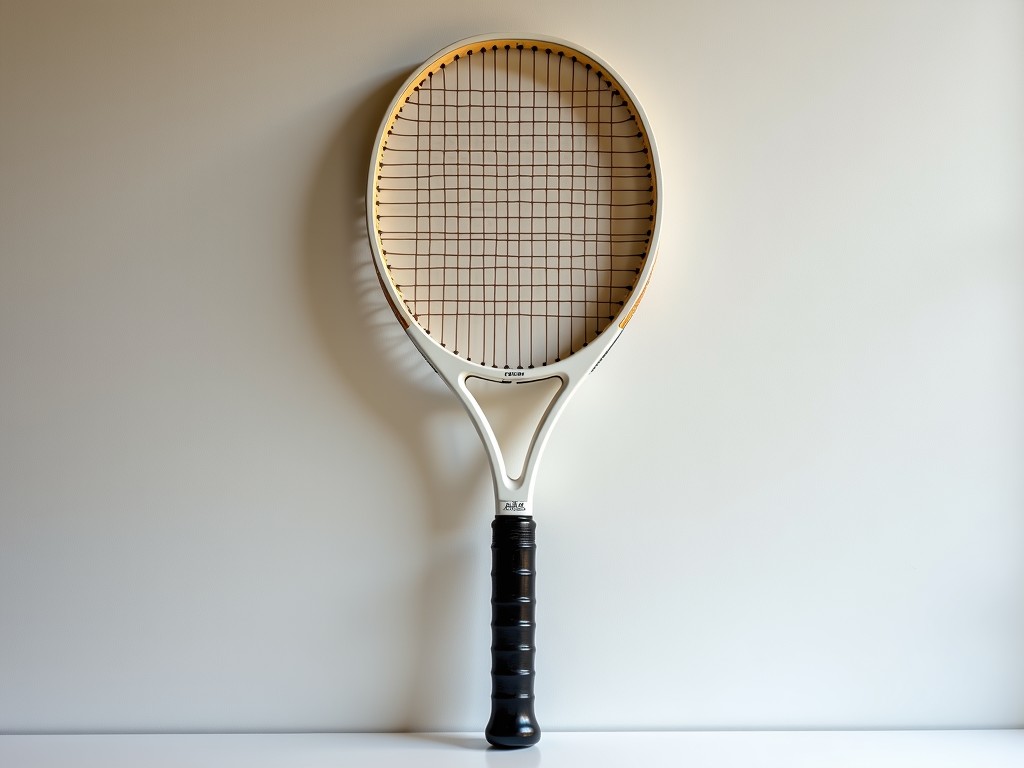
The product line consists of hand‑finished rackets that replicate the appearance of early‑20th‑century wooden frames while incorporating modern tolerances for playability. Each racket is supplied in a matte white finish with period‑accurate decals and grip detailing. Industrial buyers receive a ready‑to‑ship component that meets both aesthetic and performance specifications for niche sports markets.
Material Selection
Frames are constructed from selected hardwoods such as ash, maple, or walnut, chosen for their density and vibration damping properties. The wood is kiln‑dried to a moisture content below 8% to minimize warping during finishing. A thin layer of polyurethane resin is applied under vacuum to seal the grain before the white coating process.
Strings are offered in natural gut, multifilament nylon, or polyester blends, each with distinct tensile strength and elasticity characteristics. Grip materials include leather wraps, synthetic overgrips, or cork composites, all selected for moisture absorption and tactile feedback. All raw materials are traceable to certified suppliers with documented batch numbers.
Manufacturing Process
The process begins with CNC‑profiling of the blank to achieve a precise head shape and beam width within ±0.2 mm tolerances. Lamination involves stacking thin veneers with alternating grain orientation, bonded using a low‑VOC epoxy that cures at 60 °C for 90 minutes. After curing, the frame undergoes hand sanding to a surface roughness of Ra 0.8 µm before coating.
A two‑stage white finish is applied: first a primer that fills micro‑pores, then a UV‑stable acrylic topcoat sprayed at 30 µm dry film thickness. Vintage decals are transferred using a water‑based adhesive and sealed with a clear matte overcoat. Final assembly includes stringing to a client‑specified tension and grip installation under controlled tension to prevent slippage.
Customization Options
- Head size: 85–95 in² (adjustable in 1 in² increments)
- Length: 27.0–27.5 in (standard or extended)
- Balance point: head‑light, even, or head‑heavy (±3 mm)
- String pattern: 16×19, 18×20, or custom hybrid
- Grip size: 4.0–4.6 in (in 0.125 in increments)
- Logo placement: embossed, printed, or metal plaque
Typical Specifications
| Parameter | Typical Value | Adjustable Range |
|---|---|---|
| Weight (unstrung) | 320 g | 295–350 g |
| Balance (from butt) | 320 mm | 300–340 mm |
| String tension | 55 lb | 45–65 lb |
| Beam width | 22 mm | 18–26 mm |
| Finish thickness | 30 µm | 20–40 µm |
Applications
Collectors and heritage clubs request these rackets for display, demonstration matches, and period‑themed tournaments where visual authenticity influences participant engagement. The white finish provides high contrast against traditional green courts, improving visibility for spectators and broadcast media. Additionally, promotional events benefit from the rackets’ distinctive appearance as branded giveaways that reinforce a premium image without compromising playability.
Because the frames retain standard mechanical properties, they can be used in training environments where athletes require a familiar feel while practicing with equipment that matches club branding. This dual use reduces the need for separate inventory of practice and ceremonial rackets, streamlining logistics for sports facilities.
Quality Control Philosophy
Each batch undergoes dimensional inspection using a coordinate measuring machine to verify head geometry, beam width, and length against the approved drawing. Surface finish is assessed with a gloss meter to ensure the matte white reading stays below 15 GU, confirming the absence of unwanted shine that would detract from the vintage look.
String tension is measured with a calibrated dynamometer after stringing, with acceptance limits set at ±2 lb of the target value. Grip alignment is checked via a laser‑guided fixture to confirm rotational symmetry within 0.5 degree. Final visual inspection is performed under standardized lighting (5000 K, CRI > 90) to detect coating defects, decal misplacement, or wood imperfections before packaging.
Frequently Asked Questions
Yes, head size, length, balance, and grip dimensions are adjustable per the table above; specify requirements when requesting a quote.
Provide desired head size, length, balance point, string pattern, grip size, and any logo or decal artwork. Quantities and delivery schedule also affect pricing.
Standard options include ash, maple, and walnut; alternative hardwoods can be sourced upon request with associated lead times.
Dimensional checks, gloss measurement, string tension verification, grip alignment, and visual inspection under controlled lighting are performed on each unit.
Rackets are packed in individual corrugated sleeves with corner protectors, then placed in master cartons labeled with barcodes. Custom foam inserts or wooden crates are available for high‑value shipments.
Cartons are sealed with moisture‑resistant tape and include desiccant packs. Palletized shipments receive stretch‑wrap and corner boards to withstand standard handling.
Lead time ranges from 4 to 6 weeks for standard configurations; custom finishes or special materials may extend this period.
Get in Touch
To discuss specifications, request a sample, or receive a detailed quotation, contact our engineering team via the inquiry form. Provide your project parameters and we will respond with a technical feasibility assessment and pricing.
Submit Inquiry



