China Two Handed Tennis Rackets Manufacturer
Two‑handed tennis rackets differ from conventional single‑grip models by featuring a symmetrical handle that accommodates both hands simultaneously. This geometry shifts the mass distribution toward
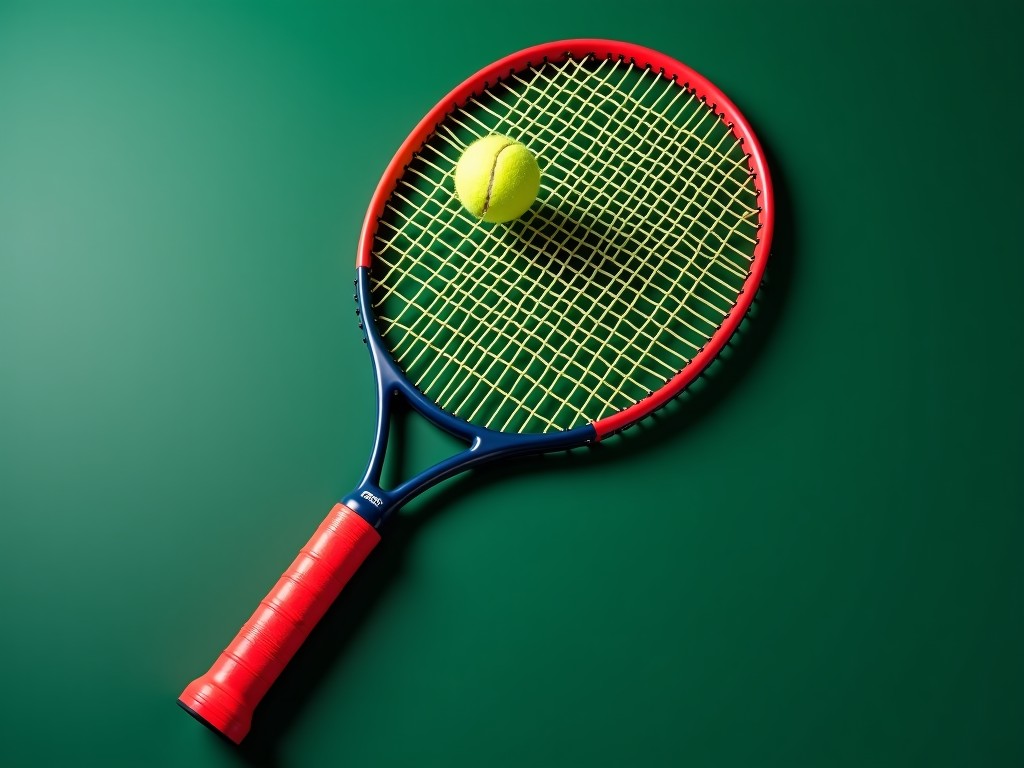
Two-Handed Tennis Rackets – Manufacturing Overview
Two‑handed tennis rackets differ from conventional single‑grip models by featuring a symmetrical handle that accommodates both hands simultaneously. This geometry shifts the mass distribution toward the center of the frame, influencing swing inertia and vibration transmission.
Design Principles
The primary design goal is to maintain a balanced feel when both hands apply force. Engineers achieve this by aligning the racket’s longitudinal axis with the grip’s midpoint and adjusting the head‑size to keep the sweet spot within the optimal hitting zone. Typical head sizes range from 95 to 110 in², while overall lengths stay between 27 and 28 inches.
Material Selection
Frame construction commonly uses graphite‑carbon fiber composites because they provide high stiffness‑to‑weight ratios and consistent damping characteristics. The lay‑up orientation is tuned to resist torsional twist when both hands apply off‑center loads. Optional reinforcements include Kevlar or basalt fibers in the throat area to improve impact resistance without adding significant weight.
Typical Dimensional Specifications
| Parameter | Typical Range | Notes |
|---|---|---|
| Head Size | 95–110 in² | Larger heads increase power but raise swing weight. |
| Length | 27–28 in | Standard adult length; junior variants may be shorter. |
| Weight (unstrung) | 280–320 g | Balanced weight distribution is critical for two‑handed play. |
| Balance Point | 300–340 mm from butt | Near‑center balance reduces wrist strain. |
| String Pattern | 16×19 or 18×20 | Denser patterns improve control for double‑hand strokes. |
Customization Options
Manufacturers adjust several parameters to meet specific player preferences or regional regulations. The following list outlines the most common customization axes:
- Grip size – ranging from 4 in to 4 ⅝ in circumference, with optional tapered profiles.
- String tension range – typically 50–65 lb, adjustable via grommet design.
- Paint finish – matte, gloss, or UV‑resistant coatings in custom colors.
- Weight tuning – insertion of tungsten or lead tape in the handle or head.
- Vibration dampeners – integrated silicone inserts in the throat.
Typical Applications
Two‑handed rackets are selected by players who rely on a stable, symmetrical stroke base, such as baseline defenders and those recovering from wrist or elbow discomfort. The even load distribution reduces peak forces on the dominant wrist, making the design suitable for training programs that emphasize bilateral strength development. Clubs and academies often specify these rackets for junior development pathways where technique symmetry is a teaching focus.
Quality Assurance
Each production lot undergoes dimensional verification using calibrated laser scanners to confirm head size, length, and balance within ±2 mm tolerance. Resin cure cycles are monitored via differential scanning calorimetry to ensure consistent glass transition temperature, which directly affects frame stiffness. Finished rackets are subjected to a 500‑stroke impact test at 30 m/s to assess frame integrity and string bed durability.
Packaging and Logistics
Rackets are placed in individual low‑density polyethylene sleeves, then packed into double‑wall corrugated cartons with corner protectors. Each carton holds six units and is labeled with batch codes for traceability. For export, pallets are stretch‑wrapped and fitted with humidity‑indicating cards to monitor moisture exposure during transit.
Frequently Asked Questions
- Can dimensions be customized? Yes, head size, length, and balance point can be adjusted per customer specifications; tooling changes may affect lead time.
- What information is required before quotation? Detailed requirements include desired head size, weight range, grip size, string pattern, and any cosmetic finishes.
- What materials are available? Standard graphite‑carbon fiber composites, with optional Kevlar, basalt, or glass fiber reinforcements.
- How is quality inspected? Incoming material checks, in‑process dimensional checks, and final impact testing as described above.
- What packaging methods are available? Standard sleeve‑and‑carton packaging; custom foam inserts or reusable crates are available upon request.
- How are export shipments protected? Palletized shipments include stretch wrap, corner boards, and humidity indicators.
- What is the typical production lead time? Four to six weeks for standard configurations; custom colors or special lay‑ups may extend to eight weeks.
- How are samples arranged? Sample rackets can be shipped after approval of a digital mock‑up; sample fees are credited against the first production order.
For further technical discussion or to request a formal quotation, please contact our engineering team.
Request Quotation



