Bulk Foam Tennis Balls For Beginners Supplier
Foam tennis balls intended for beginner training differ from pressurized rubber balls in construction, density, and rebound characteristics. Understanding these differences helps procurement
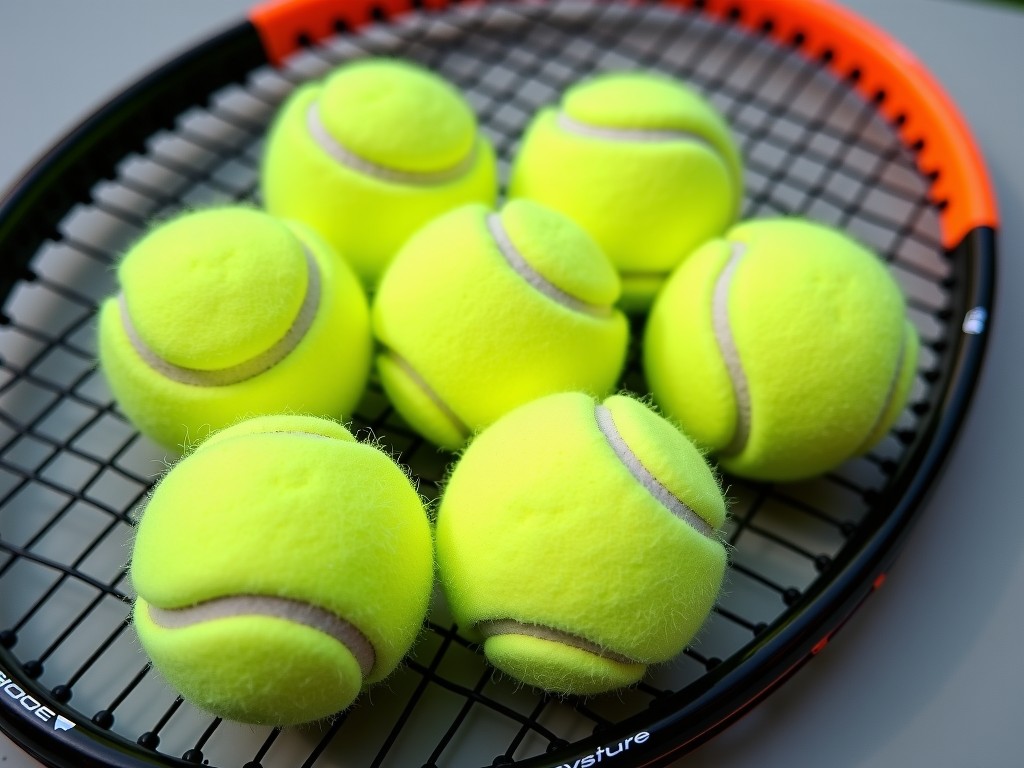
Bulk Foam Tennis Balls for Beginners – Supplier Overview
Foam tennis balls intended for beginner training differ from pressurized rubber balls in construction, density, and rebound characteristics. Understanding these differences helps procurement specialists select a product that balances durability, consistent performance, and cost‑effectiveness for large‑volume programs.
Material Composition and Structure
The core consists of closed‑cell ethylene‑vinyl acetate (EVA) foam, selected for its uniform cell size and resistance to permanent set after repeated impact. A thin, non‑abrasive nylon or polyester fabric cover is applied to improve surface durability without significantly altering the foam’s elastic response. The cover is typically bonded using a water‑based adhesive that maintains flexibility across temperature ranges from -10 °C to 45 °C.
Dimensional Specifications and Tolerances
| Parameter | Typical Value | Unit | Notes |
|---|---|---|---|
| Diameter | 65–68 | mm | Measured with calipers at ambient temperature |
| Mass | 55–60 | g | Weight variation ≤ ±2 g per ball |
| Compression Force (25 % deformation) | 15–20 | N | Measured using a universal testing machine |
| Rebound Height (drop 200 cm) | 100–115 | cm | Concrete substrate, ASTM F1887 method |
| Shore A Hardness | 35–45 | – | Indicates surface feel; lower values softer |
| Standard Colors | Yellow, Orange, White | – | Custom colors available upon request |
Performance Characteristics for Beginner Training
Because the foam core lacks internal pressure, the ball’s rebound speed is lower and more predictable than that of a standard pressurized tennis ball. This reduced velocity allows novice players to focus on stroke mechanics without the ball traveling excessively fast off the racket. The softer impact also lessens stress on the wrist and elbow, which is beneficial during prolonged practice sessions.
Spin generation is modest; the foam surface grips the racket strings enough to allow basic topspin and slice development, yet does not produce the high‑rpm effects seen with felt‑covered balls. Coaches often note that the consistent bounce height across a wide temperature range helps maintain drill repeatability indoors and outdoors.
Applications in Coaching and Skill Development
- Introductory lessons for children aged 5–10, where ball speed control is a primary safety concern.
- Cardio‑tennis or fitness‑based programs that require high‑volume ball feeding with minimal fatigue.
- Rehabilitation settings where low‑impact loading supports joint‑friendly exercise.
- Transition drills that move players from foam balls to low‑pressure felt balls as skill improves.
- School‑based physical education curricula that need durable, low‑cost equipment for large groups.
Customization Options
Beyond standard colors, the foam density can be adjusted to alter the compression force range, thereby fine‑tuning bounce characteristics for specific age groups or training objectives. Surface covers can be printed with logos, court numbers, or instructional graphics using water‑based inks that do not degrade the foam. Packaging configurations range from bulk loose‑fill in corrugated cartons to pre‑counted poly‑bags for easy distribution to multiple sites.
Quality Control and Testing
Each production lot undergoes dimensional inspection using automated laser gauges, with acceptance criteria based on the tolerances shown in the specification table. Compression and rebound tests are performed on a statistically significant sample (typically 1 % of lot size) to verify conformity to the target ranges. Visual inspection checks for cover defects, adhesive uniformity, and color consistency. Documentation of test results is available upon request.
Packaging and Logistics
Standard export packaging utilizes double‑wall corrugated cartons with internal dividers to prevent ball‑to‑ball abrasion. Carton dimensions are optimized for palletization, typically holding 500 units per carton and 30 cartons per pallet. For regional shipments, reusable plastic crates with foam inserts can be supplied to reduce packaging waste. All packages are marked with handling symbols and include a packing list that references lot numbers and test reports.
Frequently Asked Questions
- Can the diameter and weight be customized? Yes, adjustments to foam formulation and cover thickness allow for diameter variations of ±2 mm and weight changes of ±3 g, subject to minimum order quantities.
- What information is required before a quotation? Required details include desired quantity, target diameter/weight range, color preference, any logo or artwork files, packaging preference, and delivery destination.
- How is quality inspected? As outlined above, dimensional, compression, rebound, and visual checks are performed per lot, with reports available upon request.
- What packaging methods are available? Options include bulk loose‑fill in corrugated cartons, pre‑counted poly‑bags, and reusable plastic crates with foam inserts.
- How are export shipments protected? Cartons are sealed with pressure‑sensitive tape, corner protectors added, and pallets stretch‑wrapped to safeguard against moisture and shifting during transit.
Get a Quote or Sample Request
To discuss your specific requirements, request a sample, or receive a formal quotation, please contact our sales team.




