Wholesale Latest Design Graphite Pickleball Paddle Pro Factory
Graphite paddles used in professional play consist of a thin face sheet bonded to a polymer core. The face provides stiffness for ball response, while the core influences weight distribution and
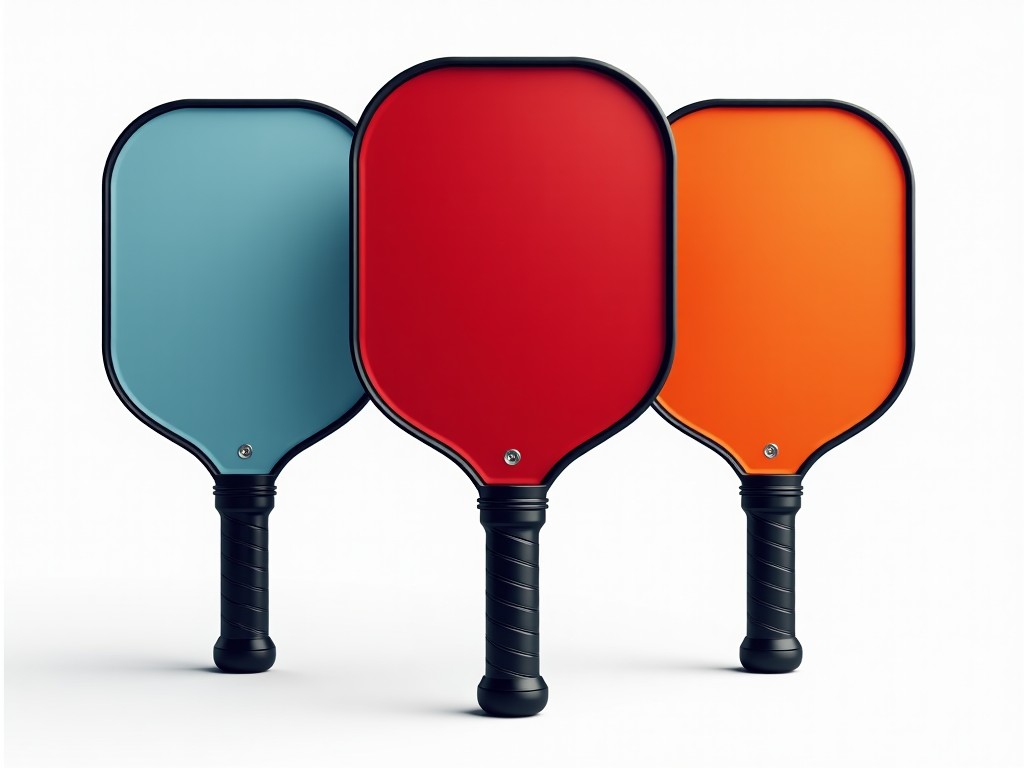
Wholesale Latest Design Graphite Pickleball Paddle – Pro Factory Specifications
Graphite paddles used in professional play consist of a thin face sheet bonded to a polymer core. The face provides stiffness for ball response, while the core influences weight distribution and vibration damping. Understanding these layers helps buyers evaluate performance consistency across production batches.
Material Composition and Layering
The face is typically made from multiple plies of unidirectional graphite fabric impregnated with epoxy resin. Each ply is oriented at 0° or ±45° to optimize tensile strength and flexural modulus. The core material is often a polypropylene honeycomb or foam, selected for its specific density and compressive strength.
Typical Mechanical Properties
| Parameter | Typical Value | Unit |
|---|---|---|
| Face Thickness | 0.8 | mm |
| Overall Weight | 210–235 | g |
| Swing Weight (Balance Point) | 300–320 | mm from butt cap |
| Flexural Modulus (Face) | 45–55 | GPa |
| Core Density | 30–45 | kg/m³ |
| Grip Circumference | 102–108 | mm |
Manufacturing Process Overview
Plies are cut to shape, stacked with core material, and placed in a heated press. Pressure and temperature cure the epoxy, consolidating the laminate. After curing, edges are trimmed, grip is applied, and surface finish is added. Process parameters such as press time, temperature ramp, and pressure curve directly affect final ply bond quality and weight tolerance.
Customization Options for Wholesale Orders
- Face graphics: sublimation printing or vinyl wraps with adjustable color fidelity.
- Grip size: standard, oversized, or tapered profiles to match player hand dimensions.
- Weight tuning: insertion of tungsten or lead tape in the handle or throat region.
- Edge guard materials: rubber, polyurethane, or composite strips for impact protection.
Quality Assurance and Inspection
Each paddle undergoes dimensional verification using calipers and coordinate measuring machines. Weight is checked against tolerance limits (±5 g). Flexural testing is performed on a three‑point bend fixture to confirm modulus remains within spec. Visual inspection identifies surface defects such as resin starvation or delamination before packaging.
Application in Competitive Play and Distribution
The combination of a stiff graphite face and low‑density core yields a high stiffness‑to‑weight ratio, translating to faster ball exit speed and reduced arm fatigue during prolonged rallies. Wholesale distributors benefit from consistent paddle specifications, which simplifies inventory forecasting and reduces returns due to performance variance.
Frequently Asked Questions
- Can dimensions be customized? Yes, face length, width, and throat geometry can be adjusted within standard mold limits.
- What information is required before quotation? Desired weight range, grip size, core type, face finish, and order quantity.
- How is quality inspected? Dimensional check, weight verification, flexural modulus test, and visual inspection.
- What packaging methods are available? Individual foam sleeves, corrugated cartons with inner dividers, or palletized bulk packs.
- What is the typical production lead time? 2–4 weeks after sample approval, depending on order size and customization complexity.
Ready to discuss specifications or request a sample? Contact our sales team to start the quotation process.




