Wholesale Cold Weather Pickleball Balls Manufacturer
Cold weather pickleball balls must retain consistent bounce, hardness, and impact resistance when ambient temperatures fall below freezing. Standard polymers become brittle, leading to reduced
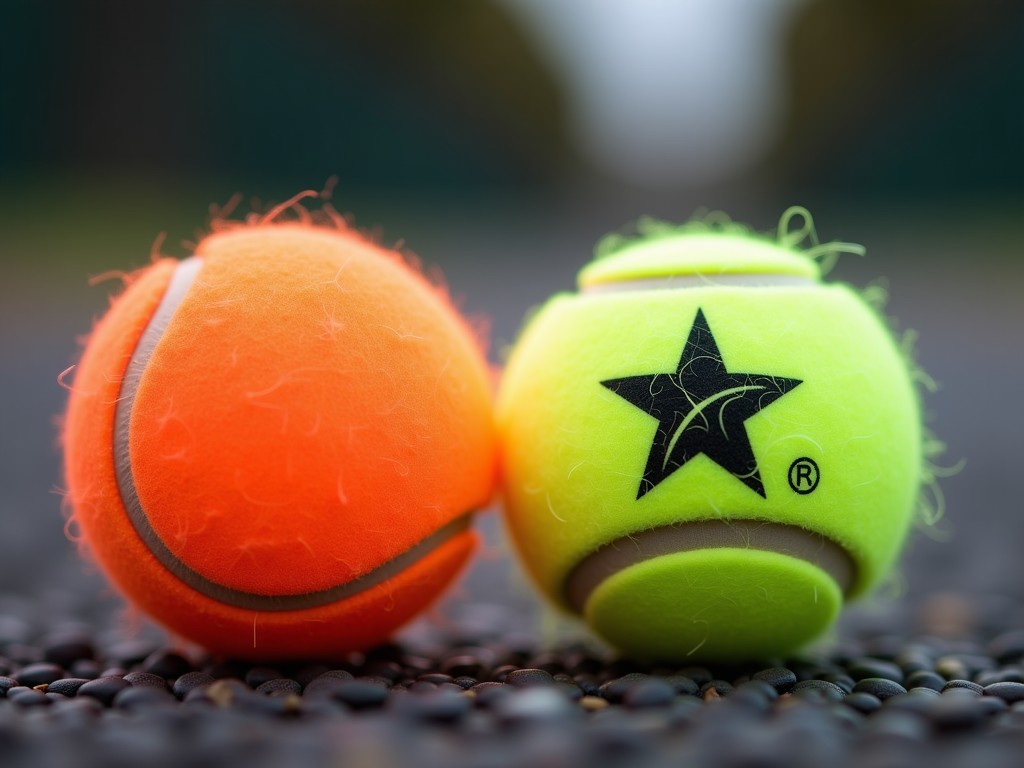
Wholesale Cold Weather Pickleball Balls Manufacturer
Cold weather pickleball balls must retain consistent bounce, hardness, and impact resistance when ambient temperatures fall below freezing. Standard polymers become brittle, leading to reduced rebound and increased breakage. Manufacturers address this by selecting elastomeric blends that maintain flexibility and energy return at sub‑zero conditions while meeting official size and weight tolerances.
Material Specification
The core material is a thermoplastic elastomer (TPE) formulated with a propylene‑ethylene‑diene monomer (EPDM) additive. This combination yields a Shore A hardness of 60 ± 5, measured per ASTM D2240 at 23 °C. Low‑temperature flexibility is retained down to –20 °C, where the material elongation at break remains above 150 %. UV stabilizers are incorporated to limit surface degradation when balls are used outdoors year‑round.
Performance Characteristics
Official pickleball balls have a diameter of 74 mm ± 0.5 mm and a weight between 22 g and 26 g. For cold‑weather variants, the target weight is set at 24 g ± 1 g to compensate for slight density changes in the polymer blend at low temperature. The coefficient of restitution (COR) measured via a standardized drop test from 100 cm onto a steel surface is 0.78 ± 0.02 at –10 °C, ensuring a bounce height of approximately 78 cm under those conditions.
Compression set after 24 h at 70 °C is below 5 %, indicating minimal permanent deformation after repeated impact. Surface roughness is controlled to a Ra value of 0.8 µm, providing consistent grip without excessive wear on paddles.
Manufacturing Process
Balls are produced using precision injection molding with a multi‑cavity steel mold. Mold temperature is maintained at 180 °C ± 5 °C to ensure proper melt flow, while the melt temperature is held at 210 °C ± 10 °C. Cooling channels are designed to achieve a uniform part temperature of 40 °C ± 5 °C before ejection, reducing internal stresses that could cause cracking in cold environments.
Each cycle includes a holding pressure phase of 80 bar for 12 seconds to guarantee complete cavity filling and minimize voids. Post‑molding, balls undergo a secondary annealing step at 60 °C for 30 minutes to relieve residual stresses and improve dimensional stability.
Quality Control Philosophy
Quality assurance begins with incoming material verification: melt flow index (MFI) must fall between 8 g/10 min and 12 g/10 min (ASTM D1238). In‑process checks include weight sampling every 500 pieces and visual inspection for flash or surface defects.
Finished goods are subjected to a low‑temperature bounce test: balls are conditioned at –15 °C for 4 hours, then dropped from 100 cm onto a steel plate; rebound height must be within 70 cm‑86 cm. Additionally, a compression set test after 22 h at 70 °C verifies that deformation remains under 5 %. All test results are recorded per batch and available to customers upon request.
Typical Applications
Outdoor pickleball courts in regions with winter temperatures regularly below –10 °C benefit from balls that do not lose bounce or become prone to cracking. Facilities with refrigerated indoor courts, such as ice‑rink multiplexes that host pickleball leagues during off‑season hours, also require low‑temp stability.
Furthermore, manufacturers supplying sporting‑goods distributors for seasonal inventory rely on consistent performance across temperature extremes to reduce return rates and warranty claims. The balls are also suitable for high‑altitude locations where atmospheric pressure reduces internal pressure, demanding a robust material response.
Customization Options
Clients may specify color pigments matched to Pantone standards, with minimum order quantities starting at 5 000 units per hue. Surface printing for logos or event branding uses pad‑printing technology capable of 0.02 mm line resolution without affecting the ball’s aerodynamics.
Weight tolerance can be tightened to ±0.5 g for precision training equipment, while hardness can be adjusted within the range of 55 – 65 Shore A to alter game speed. Surface texture options include a standard matte finish or a lightly dimpled pattern designed to enhance spin control.
Packaging and Logistics
Standard packaging consists of corrugated cartons holding 60 balls each, with internal dividers to prevent movement during transit. Cartons are sealed with pressure‑sensitive tape and labeled with batch codes, weight, and destination.
For bulk shipments, pallets of 48 cartons (2 880 balls) are stretch‑wrapped and fitted with corner protectors. Export containers include desiccant packs to maintain humidity below 50 % RH, safeguarding the polymer against moisture‑induced property shifts during long‑haul transit.
Lead Time and Ordering
Production lead time for standard cold‑weather balls is 4‑6 weeks after receipt of approved artwork and material confirmation. Expedited runs can be arranged within 2‑3 weeks, subject to machine availability and raw material lead times.
Minimum order quantity (MOQ) for a single color/logo combination is 3 000 units. Sample provision typically requires 5‑7 business days and includes a first‑article inspection report detailing weight, hardness, and bounce at –10 °C.
Frequently Asked Questions
- Can the ball dimensions be customized? Diameter and weight can be adjusted within ITF‑approved tolerances; custom sizes outside the standard range require a separate tooling quote.
- What information is needed for a quotation? Required details include desired quantity, color/Pantone reference, logo artwork (vector format), any special hardness or weight tolerance, and delivery destination.
- Which material options are available? The primary offering is a TPE/EPDM blend; alternative thermoplastic polyurethanes (TPU) are available upon request for higher abrasion resistance.
- How is quality inspected? Each batch undergoes weight sampling, low‑temperature bounce testing, compression set evaluation, and visual inspection; full test reports are supplied with shipment documentation.
Contact for Inquiry
To discuss specifications, obtain a formal quotation, or arrange sample testing, please reach out via the inquiry form. Provide your project requirements and our technical team will respond with a detailed proposal within one business day.
Request a Quote



