Custom Adjustable Backyard Pickleball Net Factory
A pickleball net system designed for residential courts combines a lightweight aluminum frame with a polyethylene net that meets official dimensions while allowing height adjustment for varied play
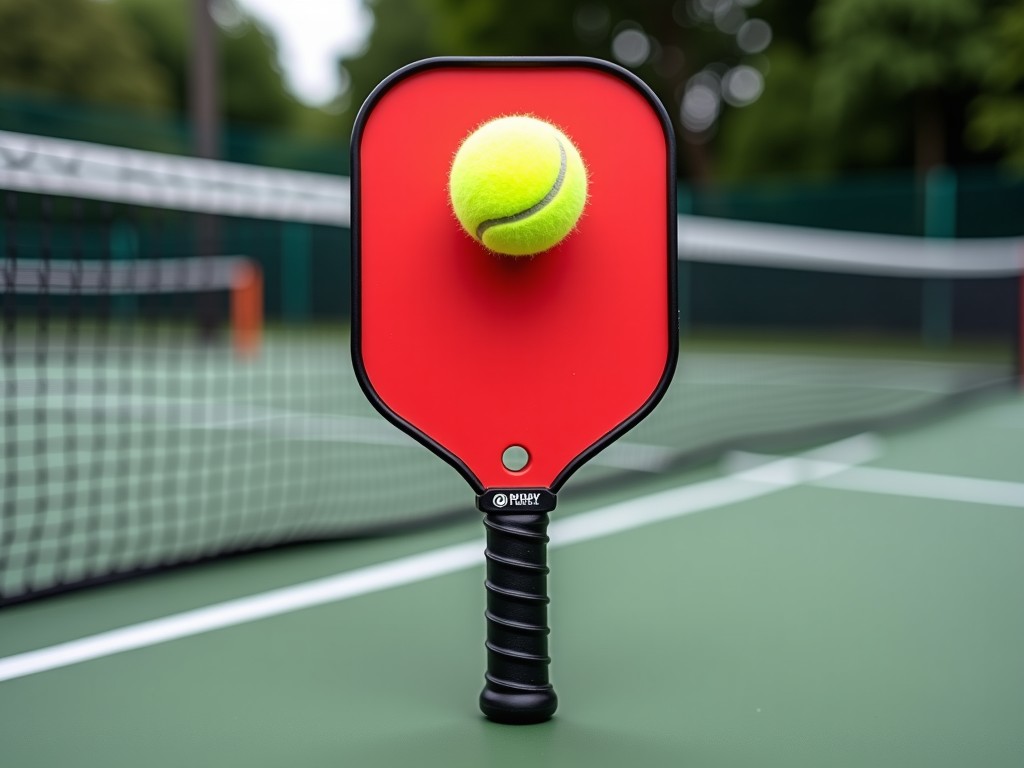
Custom Adjustable Backyard Pickleball Net
A pickleball net system designed for residential courts combines a lightweight aluminum frame with a polyethylene net that meets official dimensions while allowing height adjustment for varied play styles. The structure supports repeated tensioning cycles without permanent deformation, making it suitable for seasonal installation and removal.
Design and Material Specification
The frame uses 6063-T5 aluminum extrusions with a wall thickness of 1.2 mm, providing a yield strength of approximately 150 MPa and a corrosion-resistant anodized finish. Net material is 1.5 mm twisted polyethylene with a mesh opening of 45 mm, delivering a break strength of 220 N per knot and UV stabilization for 2000 hours of exposure.
Ground anchors consist of galvanized steel stakes with a 10 mm diameter and a 150 mm length, engineered to resist pull‑out forces up to 800 N in compacted soil.
Adjustability Mechanism
Height adjustment is achieved through a dual‑lever cam lock on each side post, allowing incremental changes of 25 mm within a range of 915 mm to 1070 mm measured from the ground to the top of the net.
A stainless‑steel tension ratchet integrated into the top cord provides adjustable tension from 180 N to 340 N, with a locking pawl that maintains set tension under dynamic load variations of ±15 N.
Manufacturing Process
Extruded aluminum sections are cut to length using CNC saws with tolerance ±0.2 mm, then deburred and cleaned in an alkaline bath before anodizing. Net panels are sewn on industrial overlock machines with 3‑thread stitch density of 8 stitches per cm, followed by heat‑setting to stabilize dimensions.
Final assembly includes insertion of tension cords, attachment of cam locks, and packaging of components into corrugated cartons with internal polyethylene foam inserts.
Quality Control and Testing
Each frame undergoes a dimensional inspection using a coordinate measuring machine, verifying straightness within 0.5 mm over 1 m length. Net break strength is sampled per lot using a tensile tester calibrated to ASTM D5035.
Adjustment mechanisms are cycled 5000 times at rated load to verify lock integrity, with acceptable wear limited to <0.1 mm deformation on cam surfaces.
Typical Applications
Residential backyard courts benefit from the net’s portability, allowing installation on grass, gravel, or synthetic surfaces without permanent fixtures. Community recreation centers use the system for multi‑purpose spaces where court dimensions must be reconfigured for different sports.
Educational institutions select the adjustable height feature to accommodate youth programs, enabling net settings that match official youth pickleball standards while preserving adult regulation height for competitive play.
| Parameter | Typical Value / Customizable |
|---|---|
| Frame Material | 6063‑T5 Aluminum, Anodized |
| Net Material | Polyethylene, 1.5 mm Twisted, UV Stabilized |
| Mesh Opening | 45 mm Square |
| Adjustable Height Range | 915 mm – 1070 mm (25 mm increments) |
| Tension Adjustment Range | 180 N – 340 N (Ratchet Lock) |
| Total System Weight | 7.2 kg (Frame + Net + Hardware) |
| Packaging Dimensions | 120 mm × 200 mm × 900 mm (Carton) |
Customization Options
- Frame length adjustment for singles or doubles court width (customizable from 6.1 m to 8.2 m)
- Alternative net materials: polyester‑coated polyethylene for increased abrasion resistance
- Color options for frame anodizing: silver, black, or custom RAL shades
- Ground anchoring systems: weighted base plates for hard‑surface installations
- Branding: laser‑etched logo on frame end caps
Frequently Asked Questions
Can the net dimensions be customized for non‑standard court sizes?
Yes, the frame extrusion length and net panel width can be adjusted to match specific court dimensions, subject to manufacturing tolerances of ±5 mm.
What information is required before quotation?
Required details include desired frame length, net material preference, height adjustment range, quantity, and any branding or color specifications.
How is quality inspected before shipment?
Each unit undergoes dimensional verification, tensile testing of net samples, and functional testing of adjustment locks; inspection reports are available upon request.
What packaging methods protect the product during export?
Components are placed in form‑fit polyethylene foam inside double‑wall corrugated cartons, then sealed with moisture‑resistant tape; palletization includes corner bracing and stretch‑film wrapping.
Request a Quote



