Wholesale Paddle Tennis Racket Bag Backpack Factory
A paddle tennis racket bag backpack serves as a protective carrier that combines the convenience of hands‑free transport with the structural integrity needed to shield rackets from impact, moisture,
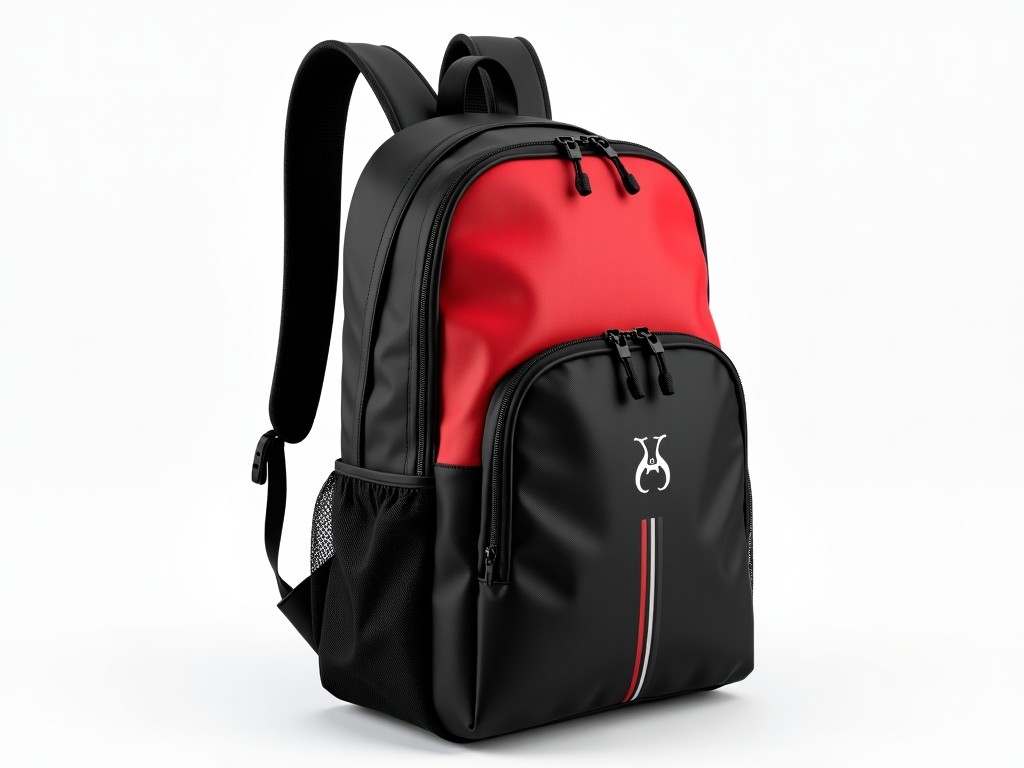
Wholesale Paddle Tennis Racket Bag Backpack Factory Overview
A paddle tennis racket bag backpack serves as a protective carrier that combines the convenience of hands‑free transport with the structural integrity needed to shield rackets from impact, moisture, and abrasion during distribution. Unlike simple tote designs, the backpack configuration distributes weight across both shoulders, reducing fatigue for warehouse staff and retail personnel who move multiple units daily.
Materials and Construction
The primary shell uses 600D polyester yarn coated with a polyurethane layer that provides water resistance while maintaining flexibility at temperatures down to –20 °C. This denier rating offers a tensile strength of approximately 55 MPa, sufficient to resist tearing when the bag is loaded with up to three rackets and accessories.
Reinforcement panels at the base and corners are fabricated from 1000D nylon ripstop, adding abrasion resistance in high‑wear zones. All seams are sewn with bonded polyester thread and undergo a double‑stitch pattern, achieving a seam strength of roughly 30 N/mm before failure.
Zippers are selected from coil‑type nylon with a self‑lubricating coating, rated for 5,000 cycles without snagging. Internal dividers use closed‑cell polyethylene foam, 5 mm thick, which absorbs shock and prevents rackets from contacting each other.
Ergonomic Design and Functional Features
Padded shoulder straps are contoured to follow the natural curvature of the upper back, incorporating a 12 mm thick EVA layer that reduces pressure points to below 4 kPa during prolonged carry. A sternum strap with adjustable buckle limits lateral movement, enhancing stability when navigating uneven warehouse floors.
The main compartment opens via a U‑shaped zipper that exposes the entire interior, allowing quick visual inspection of racket condition without unpacking. Side mesh pockets provide ventilation for sweat‑absorbed grips, while a dedicated front pocket holds accessories such as balls, wristbands, and scorecards.
Reflective piping along the outer edges improves visibility in low‑light loading docks, meeting the ISO 20471 Class 2 standard for safety apparel. The bag’s overall dimensions are 40 cm (L) × 20 cm (W) × 60 cm (H) when packed, fitting standard pallet footprints without overhang.
Customization for Branding and Specifications
Clients may adjust the internal divider layout to accommodate one, two, or three rackets, with corresponding changes to foam thickness ranging from 5 mm to 15 mm. Exterior color options are limited to Pantone‑matched shades that retain UV stability after 500 hours of accelerated weathering testing.
Logo application is performed via either silk‑screen printing on the front panel or heat‑transfer vinyl on the side straps, both methods delivering a wash‑fastness rating of Grade 4 according to AATCC 61. Additional features such as reinforced carabiner loops or RFID pockets can be integrated upon request, with tooling lead times typically under two weeks.
Manufacturing and Quality Assurance
Each production batch undergoes a first‑article inspection where seam strength, zipper functionality, and water‑repellency are measured against the defined specifications. Random sampling follows ANSI/ASQC Z1.4 (2008) with an acceptance quality limit of 0.65 % for critical defects.
Abrasion resistance is evaluated using a Martindale tester; the outer fabric must endure at least 20,000 cycles without noticeable surface breakdown. UV exposure tests confirm that color ΔE remains below 3 after 100 hours of xenon‑arc simulation, ensuring long‑term visual consistency.
Final packaging places each bag in a polyethylene liner, then stacks five units per corrugated carton with corner protectors. Carton seals are reinforced with pressure‑sensitive tape rated for 150 N peel strength, minimizing the risk of opening during transit.
Typical Use Cases in Sports Distribution
Wholesale distributors benefit from reduced damage claims because the backpack’s rigid foam divider prevents racket frames from striking each other during pallet handling. The ergonomic straps lower the incidence of musculoskeletal strain among pick‑pack teams, contributing to fewer workplace injury reports.
Retailers receive units ready for shelf placement; the external logo area allows for immediate brand visibility without additional labeling steps. The bag’s compact folded profile enables efficient back‑room storage, decreasing the footprint required for inventory buffering.
| Parameter | Typical Value | Notes |
|---|---|---|
| Exterior Material | 600D polyester + PU coating | Water‑resistant, UV‑stabilized |
| Reinforcement Panels | 1000D nylon ripstop | Base and corners |
| Main Compartment Capacity | Up to 3 rackets | Adjustable foam divider |
| Shoulder Strap Padding | 12 mm EVA | Pressure < 4 kPa |
| Zipper Life Cycle | 5,000 cycles | Coil‑type nylon |
| Overall Dimensions (L×W×H) | 40 cm × 20 cm × 60 cm | Packed state |
| Weight (empty) | 0.85 kg | Includes straps and hardware |
Frequently Asked Questions
- Can the internal dimensions be altered for different racket models? Yes, the foam divider thickness and pocket layout are adjustable based on racket length and head size, with tooling modifications typically completed within 10 working days.
- What information is required before receiving a quotation? We need the desired order quantity, preferred exterior color(s), logo artwork in vector format, and any special feature requests such as additional pockets or RFID integration.
- Which materials are available for the outer shell? Standard offering is 600D polyester with PU coating; alternative fabrics such as 800D recycled PET or tarpaulin‑grade PVC can be quoted upon request.
- How is quality inspected during production? Each lot undergoes first‑article verification for seam strength, zipper function, and water repellency, followed by random sampling per ANSI/ASQC Z1.4 with an AQL of 0.65 % for critical defects.
- What packaging options are available for export shipments? Bags are packed in polyethylene liners, five per corrugated carton with corner protectors; palletization and stretch‑wrapping services can be arranged at the customer’s request.
- What is the typical production lead time? For standard configurations, lead time is 18‑22 days after artwork approval and deposit receipt; custom features may extend this period by up to one week.
- How can samples be arranged? We provide pre‑production samples upon receipt of a sample fee, which is credited toward the first order; shipping costs are borne by the requester and typically delivered via express courier within 5‑7 business days.
Request a Quote
To begin the quotation process, please share your order volume, color preferences, and artwork files. Our engineering team will review the specifications and return a detailed cost breakdown, including tooling, material, and lead‑time estimates, within two business days. You can reach us via the contact form at /contactus.




