Oem Padel Rackets Carbon Fiber 18K Supplier
OEM padel rackets constructed from an 18k carbon fiber tow deliver uniform mechanical behavior because the high filament count enables even resin impregnation and consistent fiber alignment
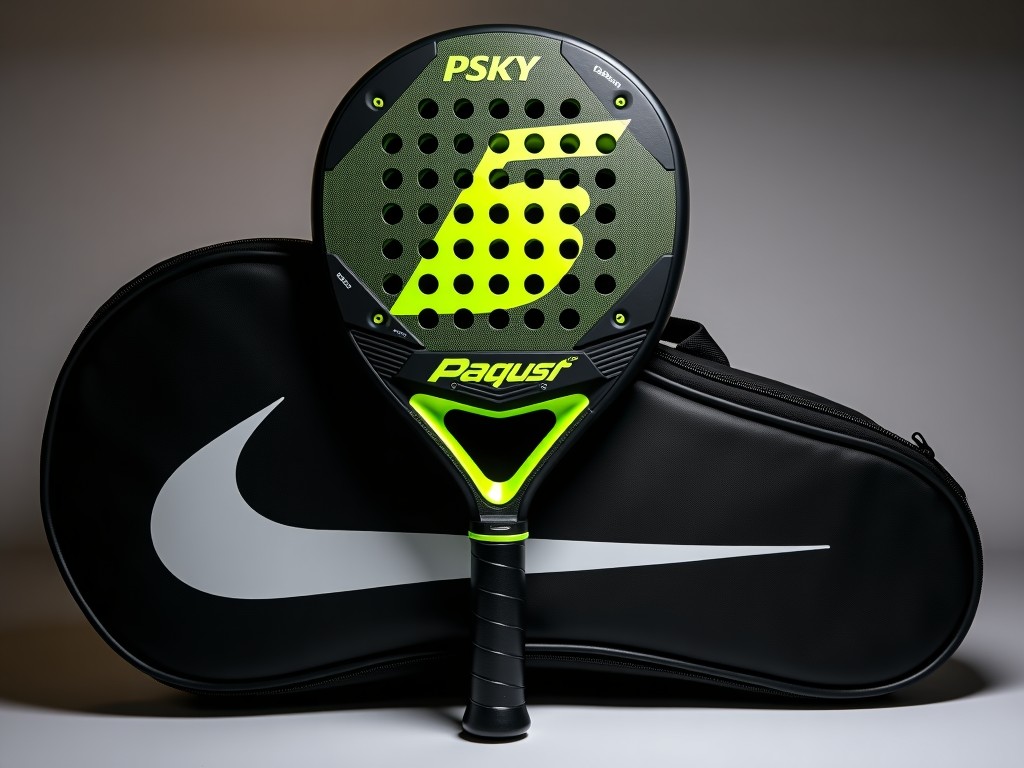
OEM Padel Rackets – Carbon Fiber 18k Supplier
OEM padel rackets constructed from an 18k carbon fiber tow deliver uniform mechanical behavior because the high filament count enables even resin impregnation and consistent fiber alignment throughout the laminate.
Material and Construction
An 18k tow contains 18,000 filaments per bundle, typically exhibiting a tensile strength of approximately 5.5 GPa, a Young’s modulus near 230 GPa, and a density of 1.55 g/cm³. The tow is impregnated with a low‑viscosity epoxy resin using a vacuum‑bagging process, then cured at 120 °C for two hours to achieve a lamina thickness of about 0.125 mm per ply. A balanced layup of 0°, ±45°, and 90° orientations is applied to meet targeted bending stiffness and torsional resistance.
Performance Characteristics
Resulting rackets weigh 345 ± 2 g, with a balance point located 320 ± 3 mm from the butt end, providing a head‑light feel that favors quick wrist action. Swing weight measures 280 ± 10 kg·cm², while the stiffness index (RA) averages 68 ± 3 and the damping ratio remains around 0.02 ± 0.005. These values translate into predictable power transfer, controlled vibration, and maneuverability suited for competitive play.
Customization Options
Adjustable parameters allow OEMs to tune rackets to specific brand requirements or player preferences.
- Length variation: ±5 mm to alter reach and leverage.
- Grip sizes: L1 through L4, with circumferential tolerance ±0.5 mm.
- Weight tuning: internal foam cores or lead tape inserts for ±5 g adjustments.
- Finish: matte or gloss UV‑cured paint, with color matching to Pantone references.
- Logo application: sublimation printing or laser etching, both durable under >5000 impact cycles.
Quality Control
Filament tension is monitored in real time via load‑cell feedback during tow placement, keeping variation under 2 %. Resin content is verified by burn‑off testing, targeting 35 % ± 0.5 % by weight. Ultrasonic C‑scan inspections detect voids or delaminations larger than 0.2 % of the scanned area. Final dimensions are checked on a CMM with a tolerance of ±0.5 mm, and weight is validated to ±2 g. Each batch undergoes an impact‑drop test from 1.5 m height, accepting less than 5 % loss in stiffness after 10 cycles.
Applications
Professional padel clubs benefit from batch‑to‑batch consistency, reducing the adaptation period for members who switch rackets frequently. OEM manufacturers experience lower scrap rates because tight tolerances minimize rework during assembly. Training centers value the durability of the 18k carbon laminate, which endures over 5000 high‑impact shots without noticeable degradation in stiffness or surface integrity.
Technical Specifications
| Parameter | Typical Value | Tolerance / Note |
|---|---|---|
| Weight | 345 g | ±2 g |
| Balance point | 320 mm from butt | ±3 mm |
| Swing weight | 280 kg·cm² | ±10 kg·cm² |
| Stiffness index (RA) | 68 | ±3 |
| Damping ratio | 0.02 | ±0.005 |
| Tensile strength (fiber) | 5.5 GPa | Typical for 18k tow |
| Young’s modulus (fiber) | 230 GPa | Typical for 18k tow |
FAQ
- Can the racket dimensions be customized? Yes. Length, grip size, and weight distribution can be adjusted within the ranges specified; please provide target values for a quotation.
- What information is required before a quotation? We need the desired weight range, balance point, grip size, quantity, finish type, and any logo or branding details. Optional: preferred layup schedule or special performance targets.
- How is quality inspected during production? Inspection includes filament tension monitoring, resin content burn‑off test, ultrasonic C‑scan for voids, CMM dimensional checks, weight verification, and impact‑drop testing. All results are documented and traceable to the production batch.




