Oem High Quality Junior Padel Racket Supplier
Junior padel rackets must balance low mass with sufficient stiffness to enable young players to develop proper swing mechanics without excessive joint load. This page details the engineering
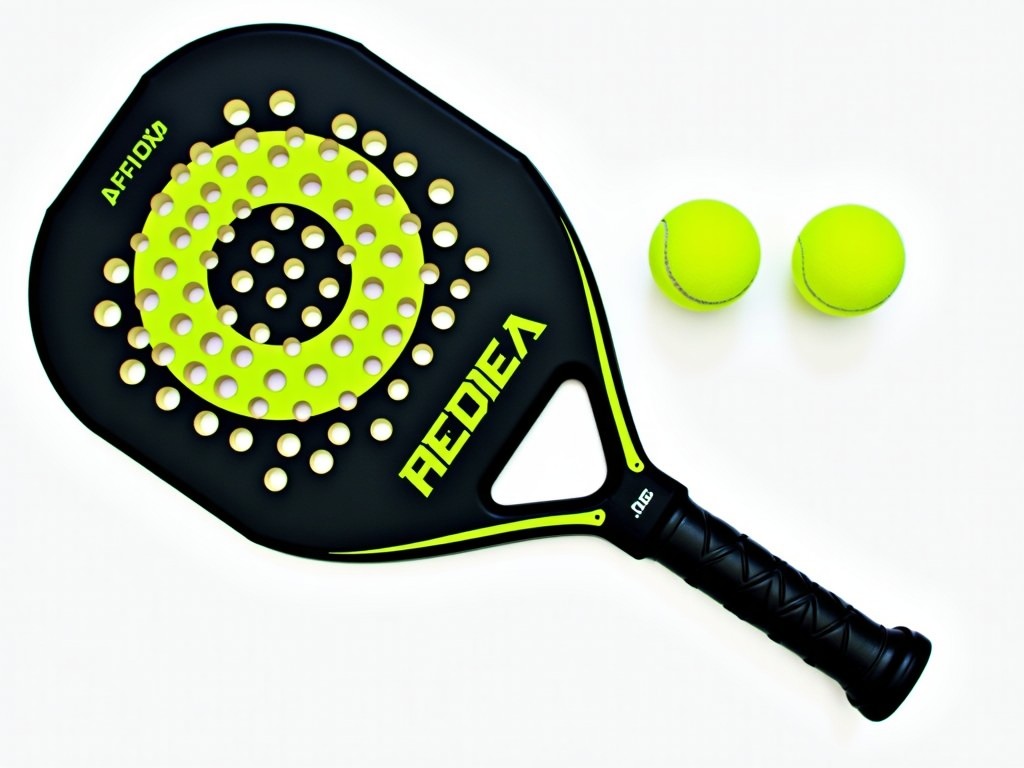
OEM Junior Padel Racket – Supplier Overview
Junior padel rackets must balance low mass with sufficient stiffness to enable young players to develop proper swing mechanics without excessive joint load. This page details the engineering parameters that define a racket suitable for athletes aged 8‑14, the material systems that achieve those targets, and the verification methods used to ensure batch‑to‑batch consistency.
Key Design Parameters
The overall length is fixed at 455 mm to comply with junior competition regulations while providing a comfortable reach for smaller stature. Head size ranges from 380 cm² to 400 cm², offering a sweet spot large enough to reduce off‑center hit penalties yet small enough to keep swingweight manageable.
Frame Geometry
A tapered beam profile increases stiffness in the hoop region (where impact forces peak) while maintaining flexibility in the throat to aid vibration damping. Typical beam thickness varies from 22 mm at the tip to 18 mm at the throat, measured along the longitudinal axis.
Weight Distribution
Target unstrung weight falls between 260 g and 280 g, with a balance point located 260 mm ± 5 mm from the butt cap. This head‑light configuration reduces rotational inertia, facilitating quicker wrist action and lowering the risk of elbow strain during repetitive drills.
Material Selection
The laminate combines high‑modulus carbon fiber (modulus ≈ 230 GPa) for the outer hoop layers with a core of E‑glass fiber (modulus ≈ 70 GPa) to achieve a favorable stiffness‑to‑weight ratio. An epoxy resin system with a glass transition temperature above 80 °C ensures dimensional stability under typical court temperatures (up to 45 °C).
- Carbon fiber plies: 0°/±45° orientation, 2‑3 layers per zone
- E‑glass reinforcement: 90° hoop wrap for impact resistance
- Resin content: 35 % ± 2 % by weight, cured at 120 °C for 90 min
Manufacturing Process
Pre‑impregnated tapes are laid up on a CNC‑milled mandrel that reproduces the exact internal geometry. The assembly undergoes vacuum bagging at 0.8 bar to eliminate voids, followed by autoclave curing. Post‑cure machining defines the throat and grip zones, while a CNC‑drilled string hole pattern ensures positional accuracy within ±0.1 mm.
Quality Assurance
Each finished racket is weighed on a calibrated scale (±0.1 g resolution) and measured for balance using a pivot‑based apparatus. Dimensional checks of length, head width, and beam thickness are performed with a coordinate measuring machine (CMM) with a repeatability of 0.02 mm. An impact test simulates a 30 m/s ball strike; peak frame deflection must remain below 4 mm to qualify.
| Parameter | Typical Value | Tolerance |
|---|---|---|
| Unstrung Weight | 270 g | ±5 g |
| Balance Point (from butt) | 260 mm | ±5 mm |
| Head Size | 390 cm² | ±10 cm² |
| Swingweight (approx.) | 180 kg·cm² | ±10 kg·cm² |
Customization Options
OEM buyers can adjust several functional attributes to align with specific training philosophies or brand aesthetics. Adjustments are executed during the lay‑up stage, ensuring that mechanical integrity is preserved.
- Grip size: Small (100 mm), Medium (106 mm), Large (112 mm) circumference
- Balance point: Head‑heavy (+10 mm), Even (baseline), Head‑light (‑10 mm)
- String pattern: 16×19, 18×20, or custom open patterns
- Surface finish: Matte (low‑gloss UV coating) or Gloss (high‑gloss PU coating)
- Color: Pantone‑matched solid colors or two‑tone gradient via sublimation
Applications in Junior Training
Junior athletes benefit from a racket that reduces the inertial load on the developing musculoskeletal system while still providing sufficient feedback to refine technique. The head‑light balance encourages a compact swing, fostering wrist stability and lowering the incidence of overuse injuries common with heavier, head‑heavy frames used by adults.
Frequently Asked Questions
| Question | Answer |
|---|---|
| Can dimensions be customized beyond the standard ranges? | Yes, head size and length can be adjusted upon request, subject to tooling availability and minimum order quantities. |
| What information is required before quotation? | Desired weight, balance point, grip size, string pattern, surface finish, color, and estimated annual volume. |
| What materials are available for the frame? | Standard offering uses carbon/E‑glass hybrid; full carbon, basalt‑reinforced, or glass‑only lay‑ups are offered as alternatives. |
| How is quality inspected? | Each unit undergoes weight, balance, dimensional CMM check, and impact deflection test; statistical process control monitors batch averages. |
| What packaging methods are available? | Individual rackets are placed in low‑density polyethylene bags, then packed in corrugated cartons with corner protectors; palletization follows ISPM‑15 standards for export. |
| What is the typical production lead time? | Four to six weeks after approval of final specifications, depending on current capacity and order size. |
Request a Quote
To begin a development conversation, provide your technical requirements and expected volume. Our engineering team will respond with a detailed feasibility report, including tooling implications and unit cost estimates.
Contact Us for OEM Partnership



