Oem Diamond Control Padel Racket Manufacturer
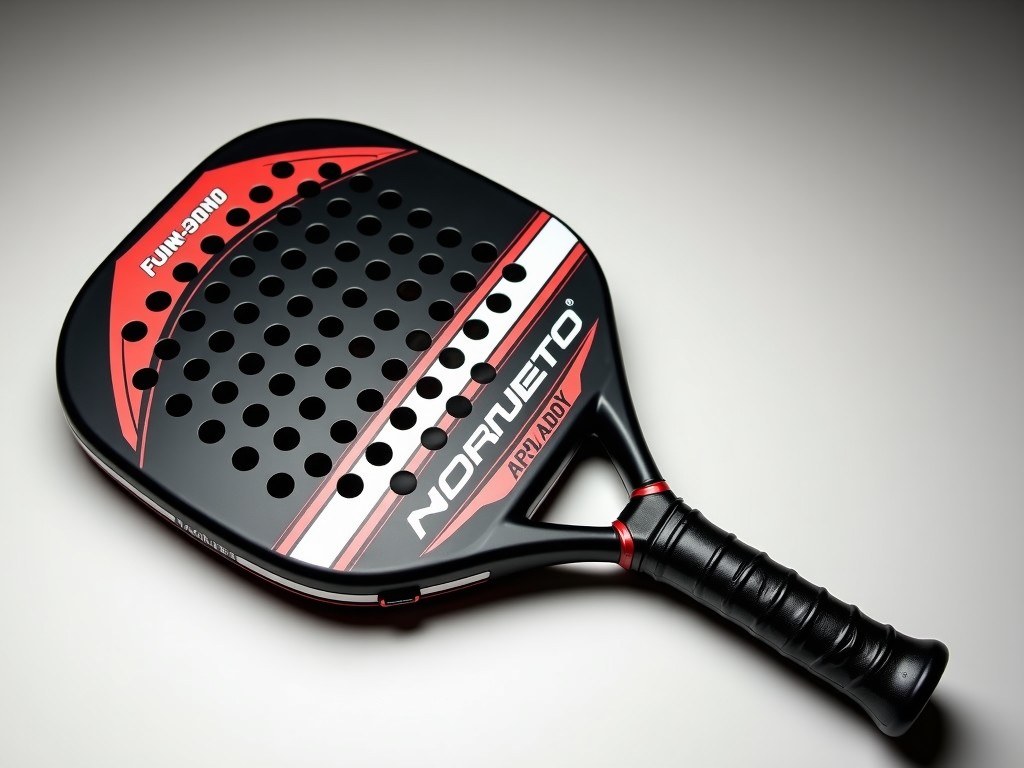
Diamond‑control padel rackets are engineered for players who prioritize precision placement and consistent feel over raw power. The design concentrates mass toward the hoop, shifting the balance
OEM Diamond Control Padel Racket Manufacturer
Diamond‑control padel rackets are engineered for players who prioritize precision placement and consistent feel over raw power. The design concentrates mass toward the hoop, shifting the balance point toward the head to enhance maneuverability while maintaining a stable sweet spot. This configuration reduces unwanted vibration and allows athletes to execute controlled volleys, lobs, and drop shots with repeatable accuracy.
Technical Specifications
| Parameter | Typical Value | Customizable Range |
|---|---|---|
| Overall Length | 455 mm | 445 mm – 465 mm |
| Weight (unstrung) | 360 g | 340 g – 390 g |
| Balance Point (from butt) | 275 mm | 260 mm – 290 mm |
| Swingweight | 260 kg·cm² | 240 – 280 kg·cm² |
| Stiffness (RA) | 68 | 62 – 74 |
| String Pattern | 16 × 19 | 14 × 18 – 18 × 20 |
| Grip Size | 4 ¼ in | 4 in – 4 ½ in |
| Surface Material | Carbon‑fiber reinforced polymer | Glass‑fiber, Kevlar‑ hybrid available |
| Core Material | EVA‑foam (density 0.35 g/cm³) | PE‑foam, varying densities 0.30‑0.40 g/cm³ |
Materials
The racket frame utilizes a high‑modulus carbon‑fiber layup oriented at 0°, ±45°, and 90° to achieve a tensile strength exceeding 4.5 GPa while keeping the laminate thickness under 1.2 mm. This orientation minimizes torsional twist during off‑center impacts, directly contributing to the diamond‑control feel. The core is injected with closed‑cell EVA foam, selected for its consistent compressive modulus (≈0.12 MPa) and damping coefficient, which attenuates high‑frequency vibrations transmitted to the player’s wrist.
Manufacturing Process
Production begins with computer‑numerically controlled (CNC) cutting of pre‑preg carbon sheets to exact ply shapes, followed by vacuum bag molding at 120 °C and 0.8 MPa pressure for 45 minutes to ensure full resin cure and minimal void content (<0.5 %). After demolding, the frame undergoes precision grinding to achieve a surface roughness Ra < 0.8 µm, which improves paint adhesion and reduces aerodynamic drag. The EVA core is inserted via a compression molding step that bonds the foam to the frame using a polyurethane adhesive with a shear strength of 2.3 MPa.
Customization Options
- Adjustable weight distribution through internal tungsten or brass inserts (0‑15 g).
- Alternative grip shapes (octagonal, rectangular) and size ranges from 3 ¾ in to 4 ⅝ in.
- Choice of surface finishes: matte UV‑clear coat, glossy polyurethane, or textured silica‑based coating for enhanced spin.
- Personalized laser‑etched logos or player names on the throat or shaft.
- Optional string pattern variations to suit specific play styles (e.g., denser patterns for control, open patterns for power).
Quality Control
Each finished racket undergoes three inspection stages: dimensional verification using a coordinate measuring machine (CMM) with ±0.02 mm tolerance, dynamic stiffness testing via a resonant frequency analyzer (±2 % acceptance), and impact durability assessment using a standardized pendulum rig that simulates 5,000 ball strikes at 30 m/s. Rackets that exceed a 5 % deviation in any parameter are routed for rework. Final packaging includes a low‑density polyethylene sleeve and a corrugated cardboard box with edge protectors, certified to withstand 15 kg of compressive force during transit.
Applications
Diamond‑control rackets are particularly suited for competitive padel players who rely on precise shot placement, such as those employing a defensive baseline strategy or frequent net approaches. The head‑heavy balance shifts the center of percussion closer to the impact zone, reducing the effort required to generate accurate angles on low‑bounce shots. Consequently, athletes experience less forearm fatigue during extended rallies, allowing sustained performance in tournament play where consistency outweighs raw power.
Frequently Asked Questions
- Can dimensions be customized? Yes, length, weight, balance point, and grip size can be adjusted within the ranges shown in the specifications table; custom molds are available for volumes exceeding 500 units.
- What information is required before quotation? We need the desired weight range, balance preference, grip size, surface finish, and any logo or branding details; optional performance targets (e.g., target swingweight) help fine‑tune the layup.
- What materials are available for the frame? Standard is high‑modulus carbon‑fiber; alternatives include glass‑fiber reinforcement, Kevlar‑carbon hybrid, or basalt fiber, each with distinct modulus and density profiles.
- How is quality inspected? Incoming raw material is checked for resin content and fiber areal weight; in‑process checks monitor cure temperature and pressure; final inspection includes CMM dimensions, stiffness, and impact durability as described.
- What packaging methods are available? Standard packaging is a polyethylene sleeve inside a single‑wall corrugated box; for long‑distance export we offer double‑wall boxes with corner reinforcements and moisture‑barrier liners.
- How are export shipments protected? Boxes are strapped with PET bands and placed on pallets with corner protectors; each pallet receives a stretch‑film wrap and a shock‑indicator label to detect mishandling.
- What is the typical production lead time? For standard configurations, lead time is 4‑6 weeks after receipt of approved artwork and material confirmation; custom tooling adds approximately 2‑3 weeks.
- How are samples arranged? We can provide up to two prototype rackets at cost, shipped via express courier; sample lead time is typically 10‑12 weeks due to the need for layup validation.
Contact for Inquiry
To discuss your specific requirements, request a detailed quotation, or arrange a sample evaluation, please reach out to our engineering team via the contact form.
Request Quote & Technical Consultation



