Bulk Padel Tennis Balls Top Supplier
Padel courts demand balls that deliver consistent bounce, controlled speed, and felt durability across varying temperatures and humidity levels. Supplying these balls in bulk requires tight
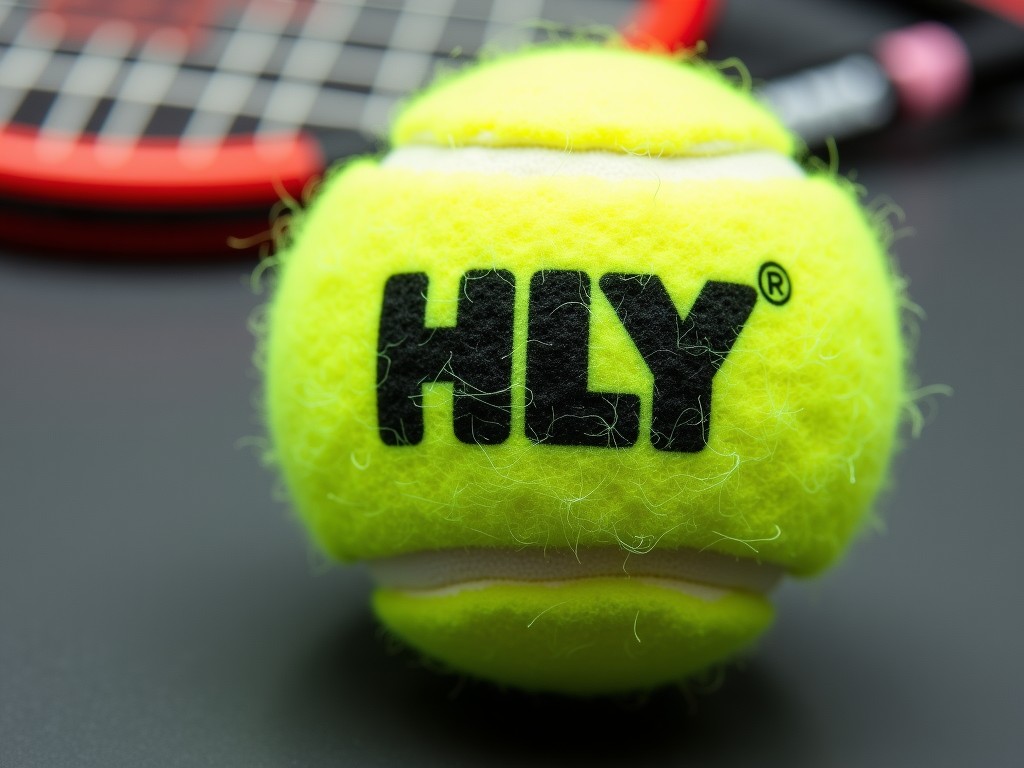
Bulk Padel Tennis Balls – Top Supplier
Padel courts demand balls that deliver consistent bounce, controlled speed, and felt durability across varying temperatures and humidity levels. Supplying these balls in bulk requires tight tolerances on weight, internal pressure, and surface texture to meet the expectations of clubs, tournament organizers, and distributors.
Technical Specifications
| Parameter | Typical Value | Tolerance / Note |
|---|---|---|
| Diameter | 63.5 mm | ±0.5 mm |
| Weight | 38 g | ±0.5 g |
| Internal Pressure | 0.6 atm (≈ 8.7 psi) | ±0.05 atm |
| Core Rubber Hardness (Shore A) | 45 | ±3 |
| Felt Composition | 68 % wool, 32 % nylon | Weight 2.0 g ± 0.1 g per ball |
| Bounce Height (concrete, 23 °C) | 135 cm | ±5 cm |
| Abrasion Resistance (Martindale cycles) | ≥ 12 000 | Typical for outdoor felt |
Material Composition
The core is formulated from a natural‑rubber blend with a controlled sulfur cure to achieve the target hardness and rebound characteristics. The felt covering uses a wool‑nylon mix that balances grip on the court surface with resistance to flaking; the wool content provides the soft feel preferred by players, while the nylon adds tensile strength for prolonged play.
Manufacturing Process
First, rubber pellets are injection‑molded into hemispherical shells, which are then joined and pressurized with nitrogen to the specified internal pressure. After curing, the shells are coated with a latex adhesive and wrapped with the pre‑cut felt under tension to ensure uniform coverage. Finally, the balls undergo a secondary heat‑set step that stabilizes the felt‑rubber bond and locks in pressure retention.
Quality Control & Testing
- Weight check on each batch (±0.5 g) using calibrated scales.
- Pressure decay test over 48 h to verify seal integrity.
- Bounce height measured on three reference surfaces (concrete, synthetic turf, clay).
- Felt adhesion measured by peel force (≥ 1.2 N mm⁻¹).
- Visual inspection for surface defects, seam uniformity, and felt pilling.
Applications
Padel balls must exhibit a lower internal pressure than standard tennis balls to accommodate the smaller court dimensions and the characteristic wall rebounds. The felt’s slightly rougher texture enhances grip on the artificial grass or porous concrete commonly used in padel courts, reducing skid and enabling consistent spin generation. These properties make the balls suitable for club training, competitive tournaments, and high‑frequency recreational play where durability and predictable performance are critical.
Customization Options
- Logo or brand printing in up to three colors using UV‑curable inks.
- Alternative felt colors (white, yellow, orange) for visibility preferences.
- Adjustable internal pressure ranging from 0.55 atm to 0.65 atm for specific altitude or climate conditions.
- Packaging variations: loose bulk trays, 3‑ball sleeves, or 12‑ball cartons with custom labeling.
Packaging & Shipping
Standard export cartons measure 300 mm × 200 mm × 150 mm and hold 144 balls (12 dozen). Each carton is lined with a moisture‑barrier bag and sealed with tamper‑evident tape. Pallets are stacked to a maximum height of 1.2 m, with corner protectors and stretch‑film wrapping to prevent shifting during transit. For overseas shipments, ISPM‑15 compliant pallets are available upon request.
Frequently Asked Questions
- Can the ball diameter be adjusted for junior play? Yes, a reduced diameter of 60 mm is offered as a custom option.
- What information is required before a quotation? Required details include desired quantity, pressure specification, felt color, logo artwork (if any), and delivery destination.
- How is quality inspected for large orders? Sampling follows ISO 2859‑1 (AQL 1.0) for visual and dimensional checks, with pressure and bounce tests performed on each lot.
- What lead times should be expected? Standard production lead time is 3‑4 weeks after artwork approval; express options are available for urgent projects.
- Are the balls approved for official padel federation tournaments? The balls meet the FIP (International Padel Federation) specifications for diameter, weight, bounce, and felt composition.




