B2B Types Of Padel Racket Manufacturer
Selecting a padel racket supplier for industrial procurement requires understanding how manufacturers differ in scale, material expertise, customization capacity, and quality assurance. This overview
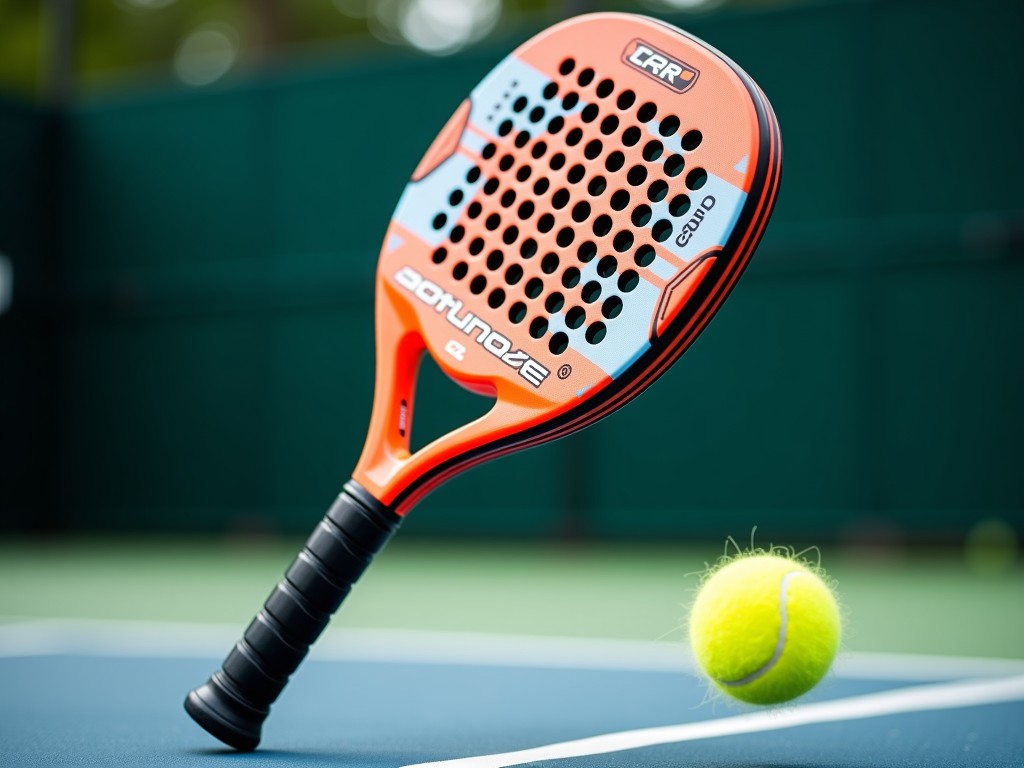
B2B Guide to Types of Padel Racket Manufacturers
Selecting a padel racket supplier for industrial procurement requires understanding how manufacturers differ in scale, material expertise, customization capacity, and quality assurance. This overview outlines the main categories that influence technical compatibility and long‑term value for OEMs, distributors, and private‑label programs.
Manufacturer Classification by Production Scale
Production volume directly affects tooling investment, lead time, and the ability to accommodate design changes. Manufacturers are generally grouped into three tiers based on monthly output.
| Scale Tier | Typical Monthly Output | Tooling Investment (USD) | Lead Time (weeks) | Customization Flexibility |
|---|---|---|---|---|
| Small‑batch (artisan) | 500–2,000 units | 5,000–20,000 | 4–6 | High – rapid mold tweaks, low MOQ |
| Mid‑scale | 2,000–15,000 units | 20,000–80,000 | 3–5 | Medium – standard cores with optional surface finishes |
| High‑volume | 15,000+ units | 80,000+ | 2–4 | Limited to predefined configurations; economies of scale |
Material and Technology Expertise
Racket performance hinges on the combination of frame material, core foam, and surface treatment. Manufacturers differentiate by the range of composites they can process and the consistency of lay‑up techniques.
- Carbon‑fiber layers (3K, 12K, 24K) providing tensile strength 3,500–5,500 MPa.
- Fiberglass or hybrid wraps offering impact resistance and cost reduction.
- EVA or PU foam cores with densities 30–50 kg/m³ influencing power‑control balance.
- Surface textures (rough, matte, glossy) affecting spin generation and wear rate.
Customization and Engineering Support
Beyond material selection, manufacturers offer engineering services that translate design intent into producible geometry. The depth of support varies with in‑house CAD/CAM capabilities and prototyping equipment.
- Mold design and CNC machining tolerances ±0.05 mm.
- Weight distribution tuning (balance point 260–290 mm from handle).
- Grip size adjustment (circumference 100–110 mm) and overlay options.
- Branding integration: laser etching, sublimation printing, or embossing.
- Performance validation: ball rebound speed, fatigue cycles, and torsion stiffness testing.
Quality Control and Testing Philosophy
Industrial buyers rely on documented inspection protocols to mitigate risk. Leading manufacturers embed multiple checkpoints: incoming raw material verification, in‑process lay‑up inspection, and final product validation.
| Control Stage | Typical Check | Acceptance Criteria |
|---|---|---|
| Raw material | Fiber areal weight, resin viscosity | ±3 % of spec |
| In‑process | Layer alignment, vacuum pressure | ≤0.1 mm deviation |
| Final inspection | Weight, balance point, surface roughness | Weight ±2 g, balance ±2 mm, Ra ≤4 µm |
| Performance test | Ball rebound speed, 500‑hit fatigue | Rebound 90‑95 % of reference, no delamination |
Applications in B2B Supply Chains
Match the manufacturer’s strengths to the buyer’s business model. OEMs seeking proprietary performance benefit from mid‑scale suppliers with strong R&D, while distributors prioritizing volume and cost often partner with high‑volume producers. Private‑label programs frequently require the flexibility of small‑batch artisans for limited‑edition runs.
Frequently Asked Questions
- Can dimensions be customized? Yes, length, width, and profile thickness can be adjusted within standard mold limits; bespoke molds are available for higher MOQ.
- What information is required before quotation? Detailed specs: target weight, balance point, preferred core material, surface finish, artwork files, and expected annual quantity.
- What materials are available? Carbon‑fiber (various weaves), fiberglass, hybrid blends, EVA/PU cores with selectable densities.
- How is quality inspected? Multi‑stage QC: raw material checks, in‑process lay‑up verification, final dimensional and performance testing per ISO‑9001‑aligned procedures.
- What packaging methods are available? Individual foam sleeves, corrugated cartons with corner protection, palletized options for container loads; anti‑static lining optional.
- How are export shipments protected? Shock‑absorbent inserts, humidity‑controlled pallets, and compliance with ISPM‑15 wood standards.
- What is the typical production lead time? 3‑6 weeks for standard configurations; 8‑12 weeks for new mold development.
- How are samples arranged? Sample kits (3‑5 units) shipped via express freight; costs credited against first order.




