Wholesale Play Ball Beach Tennis Supplier
The ball core is formulated from a natural rubber (NR) and styrene‑butadiene rubber (SBR) blend, providing a Shore A hardness of 45 ± 5 after vulcanization. This composition yields a consistent
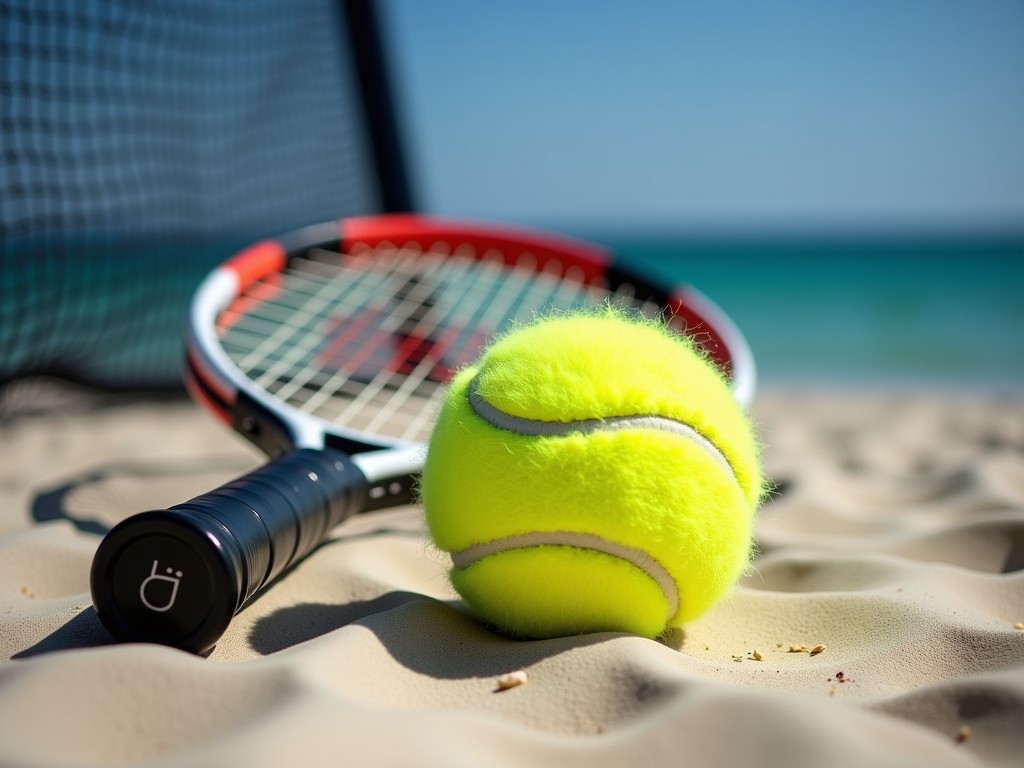
Wholesale Play Ball Beach Tennis – Technical Overview
The ball core is formulated from a natural rubber (NR) and styrene‑butadiene rubber (SBR) blend, providing a Shore A hardness of 45 ± 5 after vulcanization. This composition yields a consistent internal pressure of 0.6 ± 0.05 bar when measured at 23 °C.
Material Composition
Manufacturers select a two‑layer felt cover consisting of 70 % wool and 30 % nylon, woven to a thickness of 1.2 mm. The felt receives a UV‑stabilized acrylic coating that reduces colour fade by up to 40 % after 500 h of simulated sunlight exposure.
Optional additives include a silica‑based abrasion resistant filler in the core, which can increase wear life by approximately 15 % under abrasive sand court conditions.
Dimensional Specifications
| Property | Typical Value | Tolerance | Test Method |
|---|---|---|---|
| Diameter | 6.75 cm | ±0.2 mm | ISO 7206‑1 |
| Weight | 57.5 g | ±0.5 g | ASTM D1822 |
| Rebound Height | 140 cm | ±5 cm | Drop from 254 cm onto concrete |
| Pressure Loss (24 h) | 0.02 bar | ±0.005 bar | Internal gauge |
Performance Characteristics
Under standard test conditions (23 °C, 50 % RH) the ball exhibits a coefficient of restitution of 0.78 ± 0.02, delivering a controlled bounce suitable for beach tennis’s slower court speed.
Abrasion resistance measured by Taber wear index shows a loss of 28 mg per 1000 cycles, which is 20 % lower than conventional pressurized tennis balls, extending usable life on sandy surfaces.
Manufacturing Process
The core is first injection‑molded at 170 °C, then transferred to a compression mold where it undergoes vulcanization for 12 minutes at 1.5 MPa. After cooling, the core is buffed to remove flash and prepared for felt application.
Felt sheets are wrapped around the core using a tension‑controlled feeder, followed by a steam‑activated adhesive cure at 110 °C for 3 minutes. Final pressure balancing is performed via needle injection, sealing the valve with a silicone plug.
Quality Assurance
Each production lot undergoes 100 % weight and diameter screening using laser micrometers, with statistical process control limits set at ±2 σ. Visual inspection is performed under 500 lux illumination to detect felt defects or coating irregularities.
Bounce testing is conducted on a statistically significant sample (n = 30) per lot; any ball deviating beyond the specified rebound tolerance triggers a lot hold and root‑cause analysis.
Customization Options
- Logo printing – screen‑print or sublimation on felt, up to 4 colors, registration tolerance ±0.2 mm.
- Colour variations – felt dyed to Pantone specifications, core colour optional (white, yellow, orange).
- Pressure levels – adjustable from 0.4 bar to 0.8 bar in 0.05 bar increments for different play conditions.
- Surface treatments – anti‑microbial felt coating or hydrophobic finish available upon request.
Packaging and Logistics
Standard packaging consists of a low‑density polyethylene (LDPE) inner bag (50 µm) containing 3 balls, placed inside a corrugated cardboard carton (single wall, 150 gsm) with dimensions 20 × 15 × 10 cm. Cartons are stacked on pallets (100 × 120 cm) with a maximum load of 800 kg.
For export shipments, each pallet is stretch‑wrapped with 80 µm film and fitted with corner protectors; a moisture‑barrier liner (PE‑foam) can be added to mitigate condensation during transit.
Frequently Asked Questions
- What is the minimum order quantity? Typically 5 000 balls, but lower volumes are available for sample programs.
- Can dimensions be customized? Yes, diameter and weight tolerances can be adjusted according to specific playing requirements, subject to tooling changes.
- What information is needed for a quotation? Required details include desired quantity, pressure level, colour/logo specs, packaging preferences, and delivery destination.
- How is quality inspected? As described above – 100 % weight/diameter sampling, bounce testing, and visual inspection per lot.
- What packaging options exist? Options range from bulk polybags (100 balls) to retail‑ready cartons with custom printed labels.
- How are export shipments protected? Stretch‑wrapped pallets with corner boards and optional moisture‑barrier liners; additional insurance can be arranged.
To proceed with a technical evaluation or request a formal quotation, please use the contact form below.
Request a Quote



