Wholesale Beach Tennis Rackets Carbon Fiber Supplier
Beach tennis rackets differ from traditional tennis rackets in head shape, weight distribution, and material selection to withstand sandy, humid, and saline environments. Carbon fiber composites
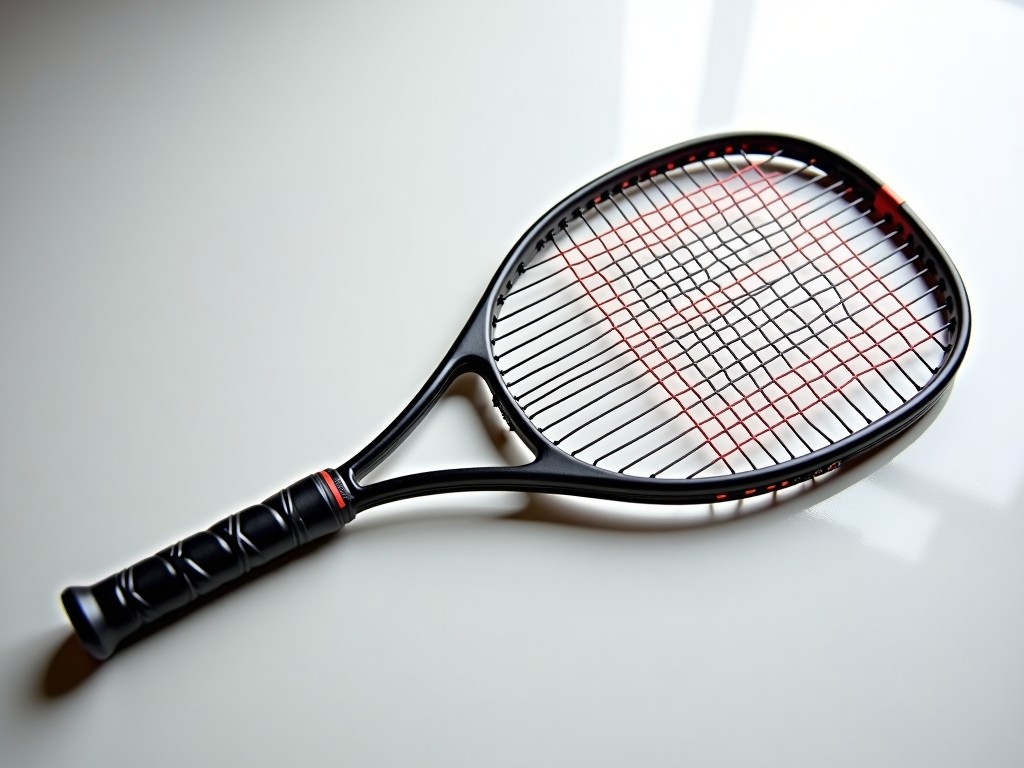
Wholesale Beach Tennis Rackets Carbon Fiber Supplier
Beach tennis rackets differ from traditional tennis rackets in head shape, weight distribution, and material selection to withstand sandy, humid, and saline environments. Carbon fiber composites provide the stiffness‑to‑weight ratio needed for rapid swings while resisting corrosion and UV degradation.
Material Composition and Layup
The racket frame typically uses a unidirectional carbon fiber prepreg with a tensile strength of approximately 4,000 MPa and a modulus of 230 GPa. Fibers are oriented at 0°, ±45°, and 90° layers to balance bending stiffness in the hoop direction with torsional stability during off‑center impacts.
A low‑viscosity epoxy resin system, cured at 120 °C for 90 minutes, impregnates the fibers. The resin content is kept between 30 % and 35 % by weight to avoid excess brittleness while ensuring adequate matrix‑fiber bonding.
Surface finish layers may include a thin veil of Kevlar or aramid fibers to improve abrasion resistance against sand particles without significantly increasing weight.
Manufacturing Process
Frames are produced using a compression molding technique where the prepreg layup is placed into a heated metal mold matching the final racket geometry. Pressure of 150 bar is applied during curing to consolidate layers and eliminate voids.
After demolding, the frames undergo a post‑cure at 180 °C for 30 minutes to achieve full resin cross‑linking. Excess flash is trimmed via CNC machining, and the grip shaft is drilled for handle insertion.
The handle is typically over‑wrapped with a synthetic grip tape or a heat‑shrink sleeve, providing a replaceable interface that maintains consistent grip circumference.
Dimensional Specifications
Standard beach tennis rackets fall within the following ranges, though exact values can be adjusted per project requirements:
| Parameter | Typical Range | Adjustability |
|---|---|---|
| Overall Length | 540 mm – 560 mm | ±10 mm |
| Head Width | 260 mm – 280 mm | ±5 mm |
| Strung Weight | 280 g – 320 g | ±10 g |
| Balance Point (from butt) | 310 mm – 340 mm | ±5 mm |
| Stiffness (RA) | 55 – 65 | ±3 |
Performance Characteristics
The high modulus carbon fiber layup yields a natural frequency of approximately 150 Hz, translating to a crisp feel on impact while minimizing vibration transmission to the player’s arm.
Due to the low density of carbon fiber (≈1.6 g/cm³), the rackets achieve a swing weight under 0.025 kg·m², facilitating rapid wrist flicks essential for beach tennis volleys.
Environmental testing shows less than 2 % loss in flexural strength after 500 hours of UV exposure and salt‑spray (ASTM B117) conditioning, confirming suitability for coastal use.
Customization Options
- Length adjustment in 5 mm increments
- Head shape variants: oval, teardrop, or wide‑body
- Grip circumference options: 100 mm, 105 mm, 110 mm (with over‑wrap)
- String pattern: 16×19, 18×20, or custom
- Finish: matte, gloss, or sand‑resistant textured coating
- Branding: laser‑etched logos, full‑color sublimation, or embossed patches
Quality Control Philosophy
Each production lot undergoes incoming inspection of prepreg areal weight and resin content via gravimetric analysis (±2 % tolerance).
Post‑mold frames are subjected to a three‑point bend test to verify flexural modulus; acceptance criterion is within ±5 % of target value.
Ultrasound C‑scan evaluates internal voids; any defect larger than 0.5 mm² triggers rejection.
Final visual inspection checks for surface imperfections, paint adhesion, and grip alignment under 10× magnification.
Applications in Beach Tennis
Beach tennis is played on sand courts with a lower net height, demanding rackets that maneuver quickly in loose substrate while delivering sufficient power for deep lobs. The reduced head mass of carbon fiber designs allows players to generate higher racket head speed with less forearm fatigue.
Corrosion‑resistant matrices prevent degradation from sea‑air exposure, extending service life compared to aluminum or titanium alternatives that may suffer pitting.
Training facilities often specify rackets with a slightly head‑heavy balance (≈340 mm) to help beginners develop swing mechanics, whereas competitive players prefer a more even balance for rapid volleys.
Packaging and Logistics
Rackets are placed in individual LDPE sleeves with a desiccant packet to mitigate moisture ingress during transit. Each sleeve is then inserted into a double‑wall corrugated carton (150 gsm) with corner protectors.
Cartons are palletized (1.2 m × 1.0 m base) and stretch‑wrapped. Standard export packaging conforms to ISPM‑15 heat‑treated wood pallets for international shipments.
Labeling includes part number, batch code, and QR code linking to the digital test certificate.
Frequently Asked Questions
- Can dimensions be customized? Yes, length, head width, and balance point can be adjusted within the ranges specified; tooling modifications may be required for extreme deviations.
- What information is needed for a quotation? Desired quantity, target specifications (length, weight, balance), finish preferences, branding details, and required delivery timeline.
- Which carbon fiber grades are available? Standard modulus (≈230 GPa) and intermediate modulus (≈300 GPa) prepregs; higher modulus grades are offered upon request with corresponding cost impact.
- How is quality verified before shipment? Each lot receives a batch test report including flexural modulus, weight, and visual inspection results; copies are provided with the shipment.
- What packaging options exist for fragile shipments? Additional foam edge protectors and double‑wall cartons can be specified; air‑freight packaging includes internal bracing to prevent movement.
- What is the typical lead time? For standard configurations, 3‑4 weeks after receipt of approved artwork and payment; custom tooling may extend this to 6‑8 weeks.
To discuss your specific requirements or request a sample, please use the contact form below.
Request a Quote or Sample



